

Planning the Life You Want in Retirement
Reflect. Refocus. Reimagine.
Retirement is not a finish line—it’s a fresh chapter. And while it may come with more freedom and time, it also brings a new challenge: redefining your days without the familiar structure of work or long-standing routines.
This phase of life offers an incredible opportunity to realign with what brings you meaning, energy, and joy. But instead of rushing into productivity or overcommitting your schedule, try approaching life planning from a softer, more intentional place.
Here are six ways to reimagine your life design in retirement.
1. Reflect on What Energizes You Now
In working life, many of our days were shaped by obligation and routine—meetings, deadlines, commutes. In retirement, we get to make those choices with greater freedom. But that freedom can feel disorienting unless we tune into what truly nourishes us.
What lights you up? What leaves you feeling heavy or depleted? These are not just casual observations—they are clues to the life you want to design now.
You may notice, for example, that solo time in the garden leaves you feeling more refreshed than a full calendar of social engagements. Or that volunteering once a week energizes you far more than running daily errands. These signals matter.
Pause and consider:
– What moments in your day give you energy, peace, or a sense of purpose?
– What drains you, bores you, or leaves you feeling foggy or irritable?
Jot it down: Keep an energy journal for one week. Don’t overthink it—just note what leaves you calm, content, creative—or stressed, restless, low. Use it as your guide for what to include more of (and less of) in your weekly rhythm.
2. Redefine What Success Means to You
So much of our adult lives are built around external ideas of success—career progression, income, status, and busy schedules. In retirement, you’re no longer required to measure your life by those yardsticks.
This is your chance to define success on your own terms. It might be waking up without an alarm clock. Or learning to paint. Or creating space for spontaneous connection. Success might now look more like peace than productivity.
Coaching reflection: Complete the sentence: “A successful day in retirement looks like…” Does it include rest? Movement? Time with people you care about? Time alone? Start by noticing how your idea of success might be shifting—and allow that evolution to happen.
3. Focus on What Matters This Season (Not Forever)
It’s tempting to want a master plan for retirement—but life doesn’t work that way. Our needs and energy ebb and flow, often shaped by what season of life we’re in.
Some seasons are for healing. Others for creating. Others for supporting family or starting something new. You don’t need a permanent blueprint—you just need a compass for now.
A small shift: Identify 2–3 life areas to focus on for the next 6–12 weeks. These short-term priorities help you make aligned decisions without feeling scattered.
Some examples:
– Relationships
– Health
– Spiritual practice
– Creativity
– Community
Write them down, and let them guide your calendar.
4. Use Anchor Points, Not Rigid Routines
Without the structure of a job, it’s easy to feel adrift or unmoored. While rigid routines may not suit this season, anchor points offer stability without constraint.
Anchors are small rituals that give your week shape: a walk on Wednesdays, a standing phone call with a sibling, a Saturday afternoon baking session, or simply starting your morning with a warm drink and five minutes of quiet.
Anchor point idea: Choose 2–3 anchors to build your week around. These aren’t obligations—they’re stabilizers that help you feel centered and grounded.
5. Make Space for Joy, Rest, and Curiosity
If you’re not careful, your calendar can fill with chores, errands, and commitments—even in retirement. But joy, rest, and curiosity aren’t luxuries; they are essential to a vibrant post-career life.
The trick is to plan them on purpose—just like you would any other important activity.
Something to try: Each week, include one activity that fits each of these categories:
– Joy: something that brings pleasure or play
– Curiosity: something you’re learning, trying, or revisiting
– Rest: a deliberate pause—whether it’s solitude, meditation, a slow walk, or even a nap
These three ingredients create more balance than a packed to-do list ever could.
6. Let Intentions Guide You (Not Just Goals)
In retirement, traditional goal-setting can feel too rigid or achievement-driven. Instead, consider working with intentions—gentle guiding principles that help you move through life with more clarity and care.
Intentions don’t ask you to meet a deadline. They ask you to show up with presence.
Try this: Pick one word or phrase for the month ahead that captures how you want to feel or live. Some favorites:
– Nourish
– Connect
– Explore
– Simplify
– Steady
– Wonder
Write it down. Reflect on it weekly. Let it shape your decisions and mindset.
Final Thought:
Planning your life in retirement isn’t about doing more—it’s about choosing better. When you slow down long enough to listen to what you need, want, and value, you can design a life that fits the real you—not the one who left the workforce, but the one who’s still becoming.
You don’t need all the answers. You just need the space to ask better questions—and the courage to follow where they lead.
Explore More:
📘 9 Habits of Happy Retirees – A down-to-earth guide for finding purpose, energy, and joy in retirement
📗 9 Habits Workbook – Prompts and exercises to help you design your weeks, set your rhythm, and reflect with intention
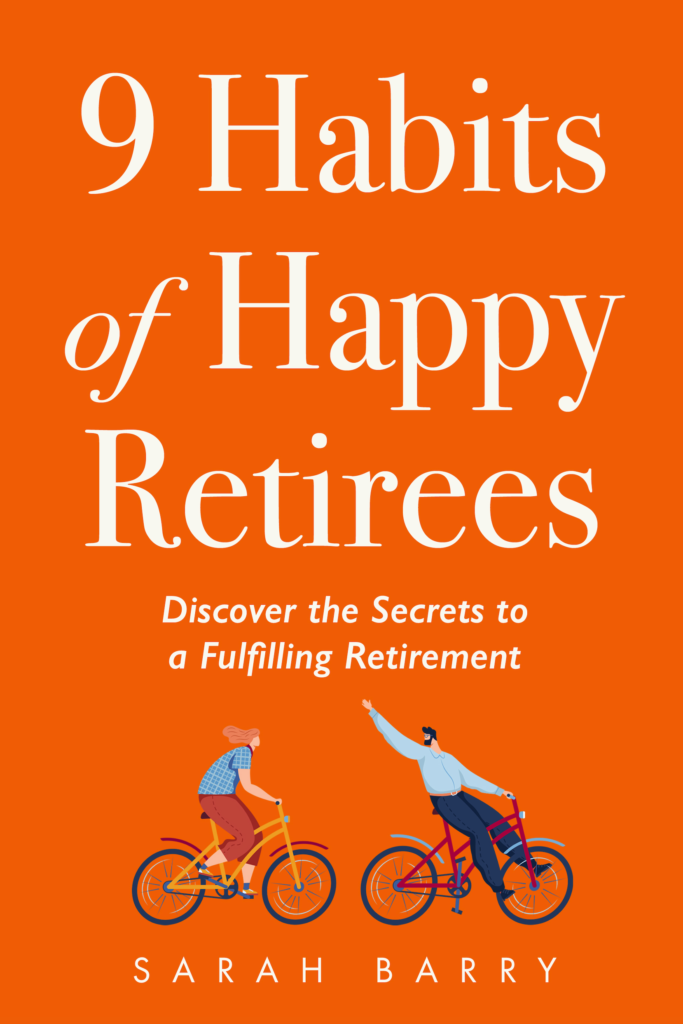
Retirement Re-defined
“9 Habits of Happy Retirees” is your guidebook to crafting a retirement lifestyle that goes beyond financial security, focusing on the habits that lead to true happiness and contentment in your golden years.
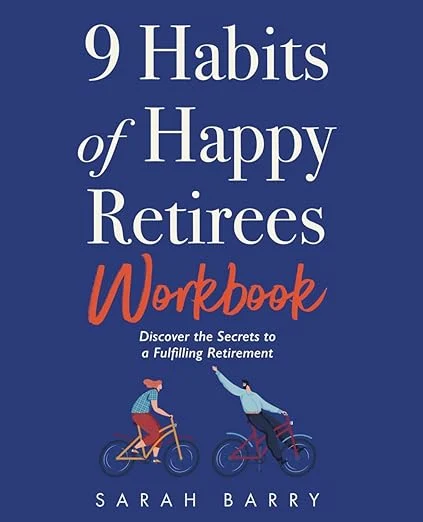
The Essential Workbook
This workbook is designed to complement the book’s theoretical foundation, it offers a hands-on approach to improving your mental, emotional, and social well-being in retirement.
🌐 Visit www.sarahbarry.com or email hello@sarahbarry.com for coaching and tools to support your next chapter
