
Start Where You Are: Small Shifts for Meaningful Growth
Growth Isn’t Always Loud
Self-improvement doesn’t have to be overwhelming. Here’s how to feel more grounded, capable, and aligned—without the pressure to overhaul your life.
When we talk about “improving ourselves,” it often conjures images of 5 a.m. workouts, color-coded schedules, and bulletproof habits. But real growth rarely happens in a rush—and rarely all at once.
Especially when you’re navigating change—burnout, new beginnings, identity shifts, or a desire to realign—the most powerful changes tend to be small, sustainable ones. The kind that help you feel more like yourself again.
These six gentle self-improvement strategies are designed to meet you where you are. No guilt. No pressure. Just space to grow at your own pace.
1. Reflect with Curiosity, Not Criticism
Before diving into action, ask yourself: What do I need right now? What feels off—or ripe for change? What’s been calling for attention beneath the surface?
Self-reflection creates a map. It helps you name what matters so you can make intentional choices that align with your values and energy.
🧠 Try this:
Each Sunday, write down one question that feels alive for you—like “What do I want more of this week?” Sit with it. Let your answer shape your focus.
2. Start Micro-Mindfulness
Mindfulness doesn’t have to mean hour-long meditation sessions. It simply means showing up to your own life. Fully. Without judgment.
Moments of awareness—pausing before replying to a stressful email, noticing the feel of warm water while washing your hands—help ground you in the now.
🧠 Try this:
Pick one routine task (brushing teeth, making coffee) and do it mindfully for one minute each day. Use it as a mini-reset button.
3. Reclaim a Growth Mindset
A growth mindset isn’t just for students—it’s a lifeline for adults in flux. It reminds us that we are not stuck; we’re still becoming.
Instead of asking, “Why can’t I do this yet?”, shift to “What can I try differently?” That simple pivot rewires how we respond to challenges.
🧠 Try this:
Next time you face a setback, write down 3 things it taught you. Look for patterns—these often become your breakthroughs.
4. Turn Down the Inner Critic
Most of us have an inner voice that questions our progress—or demands perfection. But self-criticism rarely leads to lasting change. Self-compassion does.
Growth isn’t a punishment. It’s a permission slip to evolve.
🧠 Try this:
Notice your inner dialogue. If you wouldn’t say it to a friend, don’t say it to yourself. Instead, try: “This is hard, and I’m learning.”
5. Reframe Setbacks as Data
You didn’t “fail.” You gathered intel.
When a new habit doesn’t stick, or you feel off track, get curious instead of judgmental. What made it hard? What did you need that you didn’t get?
Reframing gives you agency. It turns missteps into momentum.
🧠 Try this:
Keep a “Lesson Log.” When something goes sideways, jot down what worked, what didn’t, and what you’d try next time. Patterns = progress.
6. Follow What Energizes You
Not all self-improvement is about pushing harder. Some of the most transformative changes come from leaning into what lights you up.
What brings you energy? Connection? Joy? Pay attention—it’s often a compass pointing to what’s next.
🧠 Try this:
Track your energy for a week. What activities give you life? What drains you? Use that data to make one change next month.
Final Thought: You Don’t Need to Change Everything—Just Start Somewhere
You don’t need a life overhaul. You just need a doorway. These six strategies are invitations—starting points for reflection, momentum, and reconnection.
Whether you’re recovering from burnout, reshaping your goals, or seeking more clarity about your future—growth is possible, even if you’re still figuring things out.
Explore More
📘 Time Management for the Time-Anxious — Small shifts that stick (even if you hate planners)
📗 Breaking Up with Niceness — A self-liberation guide for those ready to stop people-pleasing and start showing up
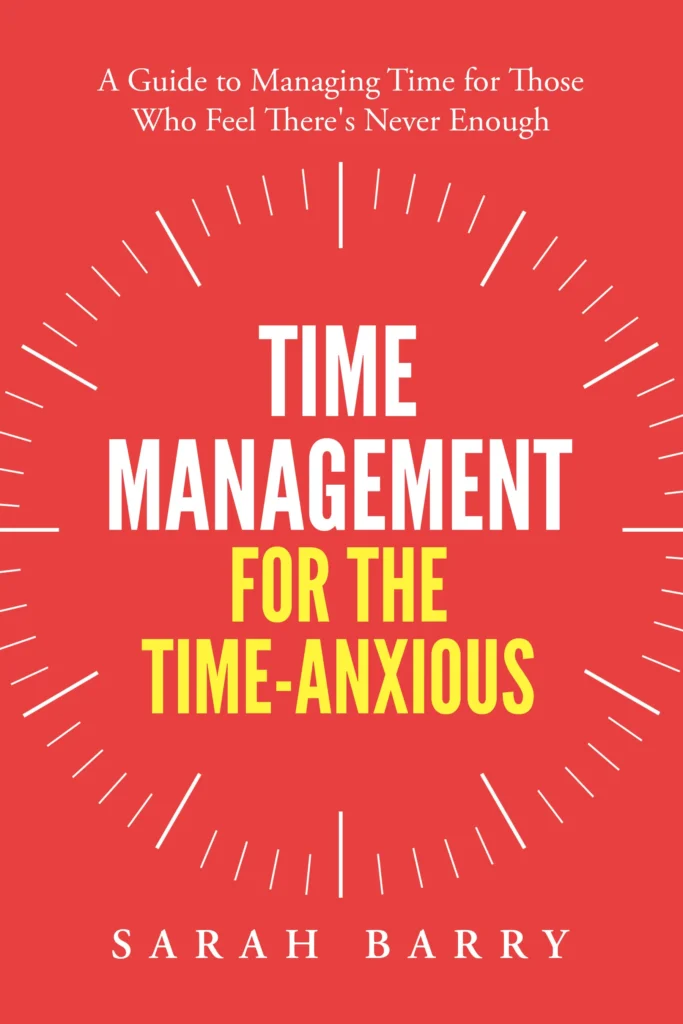
Living Beyond the Clock.
Do you feel the relentless tick-tock of the clock, even in silence? This book delves into the heart of time anxiety—that insidious feeling that time is a predator, and we are its prey. “Time Management for the Time-Anxious” offers a comprehensive approach to understanding and managing time anxiety.

A No-Nonsense Guide to Self-Care.
Breaking Up with Niceness is a bold and practical guide to letting go of people-pleasing and embracing genuine self-care. Inside you’ll find the tools to set boundaries, speak up with confidence, and reclaim the life you truly deserve.
🌐 Visit www.sarahbarry.com or email hello@sarahbarry.com to explore supportive coaching and tools for life’s transitions
