

Thriving on Your Own Terms: Self-Management Strategies for Retirement
Retirement Doesn’t Come With a User Manual
Retirement offers freedom—but also a new challenge: managing yourself without the old routines of work.
When the structure of a 9–5 job disappears, many retirees are surprised to find themselves overwhelmed by unstructured days and an endless to-do list. What was once “free time” can suddenly feel chaotic. You may feel busier than ever—or stuck in cycles of procrastination, frustration, or fatigue.
Self-management isn’t just a skill for the workplace. It’s a lifelong practice that becomes even more essential in retirement. Why? Because you’re now fully in charge of your time, priorities, and energy. And if you’re not managing your life, it can quickly start to manage you.
What Is Self-Management (in Retirement)?
Self-management means taking conscious control of your daily habits, emotional responses, energy levels, and priorities. It’s about creating the right conditions—physically, mentally, emotionally—for the life you want to live in this new season.
It includes:
– Understanding and honoring your personal values
– Creating routines that support your goals
– Managing time and energy intentionally
– Staying emotionally balanced and resilient
– Making space for both rest and purpose
When practiced consistently, these skills help you create a retirement that is not just comfortable—but deeply fulfilling.
1. Design a Weekly Rhythm That Fits You Now
Retirement removes the old workday scaffolding. Instead of letting your days blur together, create a rhythm that supports your lifestyle and energy.
Try:
– A morning routine that energizes you (stretch, tea, journaling)
– Weekly themes (e.g., Mondays for planning, Thursdays for outings)
– Anchoring activities like daily walks, lunch with friends, or volunteer shifts
This loose structure helps reduce decision fatigue while still honoring your newfound freedom.
2. Stay Motivated with Personal Purpose
Without a boss or deadlines, motivation must come from within.
Ask yourself:
– What gives me a sense of purpose now?
– What activities make me feel alive, useful, or joyful?
– What small goal could I set for this week?
Motivation will ebb and flow, and that’s okay. What matters is having a gentle system to return to: celebrating small wins, rewarding effort, and staying connected to what matters most.
3. Balance Time Management with Flexibility
Time in retirement can feel both abundant and elusive. One day flows into the next, and it’s easy to reach the end of the week wondering where the hours went.
Use a simple planning practice:
– Choose 1–3 “focus areas” per week (e.g., health, home, hobby)
– Block time for the essentials—but also buffer time for rest or spontaneity
– Reflect weekly: What felt good? What drained you?
This mindful approach lets you build momentum without pressure.
4. Prioritize Restorative Self-Care
Without the workplace to enforce lunch breaks or end times, it’s surprisingly easy to overdo it—or fall into the trap of constant busyness.
Make space for:
– Rest without guilt (naps, quiet time, slow mornings)
– Joyful movement (walking, swimming, dancing)
– Simple pleasures (cooking, gardening, crafting, music)
Self-care is not indulgence. It’s essential fuel for your brain, body, and mood.
5. Tune Into—and Work Through—Your Emotions
Retirement can bring up complex feelings: grief over lost identity, anxiety about the future, or even guilt for enjoying life when others are still working.
Develop an emotional check-in practice:
– Pause and name your feelings
– Journal or talk them through
– Use calming tools like deep breathing, mindfulness, or creative outlets
Regulating your emotions doesn’t mean avoiding them—it means letting them move through you in healthy, helpful ways.
Final Thought: You’re Leading Yourself Now
Retirement invites you to become the kind of leader you always wanted to be—calm, kind, intentional, and authentic. With a few self-management tools, you can create a rhythm that brings out your best self and supports a life filled with purpose, wellness, and joy.
You’ve earned this time. Now design a life that reflects your values, dreams, and deepest well-being.
Continue the Journey
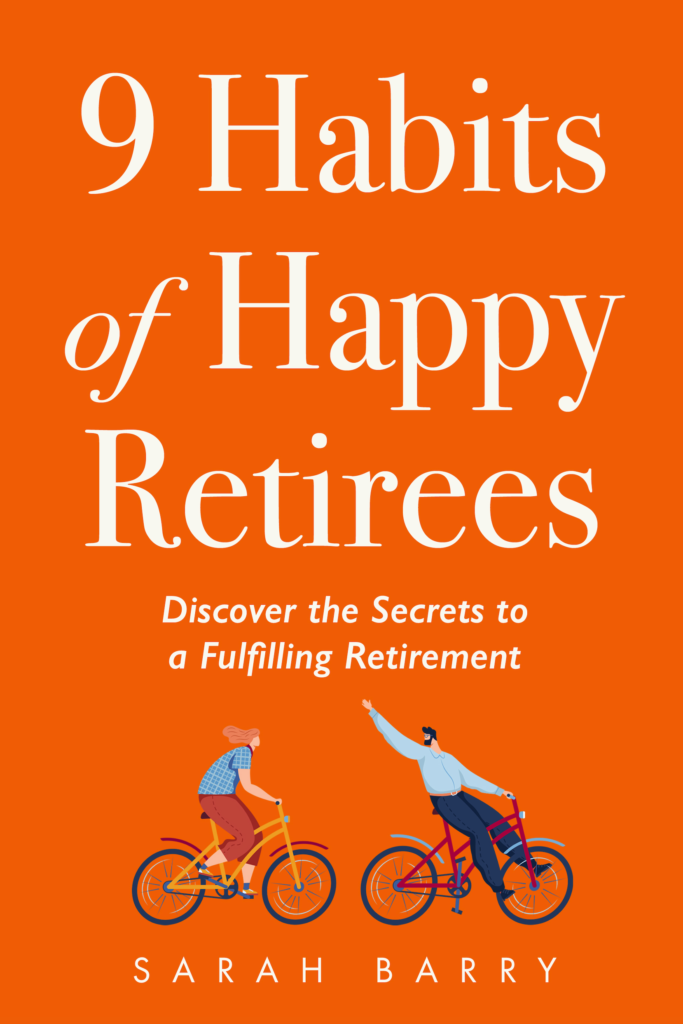
📘 9 Habits of Happy Retirees – A practical guide to creating clarity, purpose, and meaning in this new season
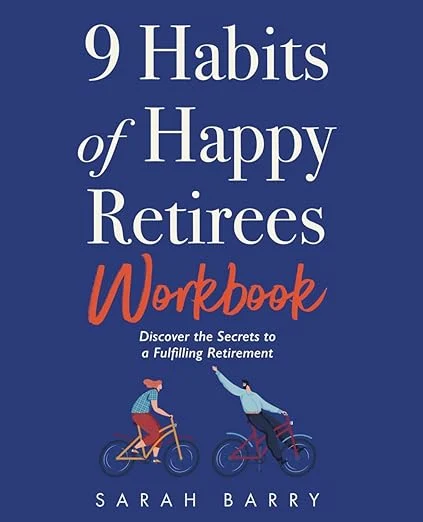
📝 9 Habits Workbook – Tools and reflection prompts to support your progress
📙 The Golden Gap Year – A thoughtful exploration of how to navigate the transition into retirement with clarity.
Retirement Re-defined
“9 Habits of Happy Retirees” is your guidebook to crafting a retirement lifestyle that goes beyond financial security, focusing on the habits that lead to true happiness and contentment in your golden years.
The Essential Workbook
This workbook is designed to complement the book’s theoretical foundation, it offers a hands-on approach to improving your mental, emotional, and social well-being in retirement.

Adventure Re-imagined
A fresh take on post-retirement adventure. This inspiring new book invites you to reimagine your next chapter with purpose, joy, and the freedom to explore what truly lights you up. Your journey is just beginning.
💬 Learn more at www.sarahbarry.com or email hello@sarahbarry.com for coaching, books, and resources tailored to your next chapter
