
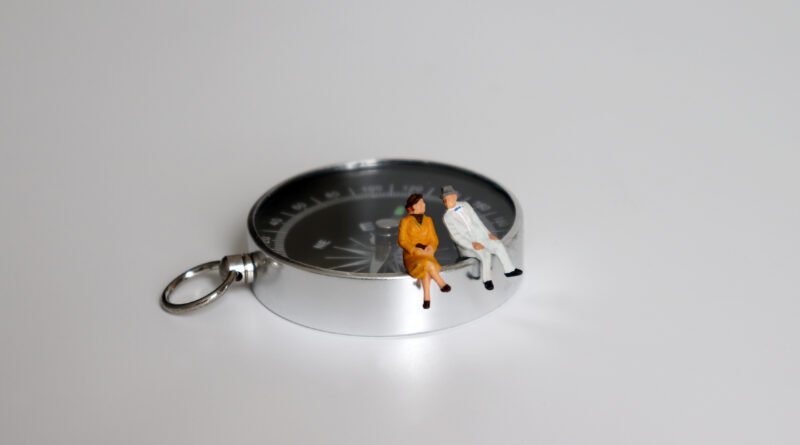
Longevity Without Direction Is Just Drift
We celebrate longevity.
We talk about living longer, extending healthspan, and redefining what later life can look like. There is genuine progress here. More people are reaching their seventies and eighties with greater independence, and many will spend far more years in “later life” than previous generations could reasonably expect.
That is worth celebrating.
But there is a quieter question that rarely sits alongside the celebration: what will those extra years actually hold?
Longevity adds time. It does not automatically add shape. If nothing deliberate replaces the structure that once organised daily life, time doesn’t usually become richer by default. It becomes looser. And over long stretches, looseness can turn into drift.
I don’t mean drift as a crisis. I mean drift as a slow flattening of the week: fewer anchors, fewer reasons to show up at specific times, fewer moments that pull you forward. It is comfortable enough—until, gradually, it feels indistinct.
Drift is subtle
Drift doesn’t arrive with an alarm bell. In fact, that’s why it’s easy to miss. Life can look perfectly fine from the outside. The bills are paid. The calendar isn’t stressful. There are pleasant days. There might even be plenty of activity.
But when you look a little closer, the pattern is often the same: routines soften. Plans become easier to cancel. Days blur into each other. Social contact becomes more occasional than regular. The week loses its definition.
Nothing dramatic happens. It’s more like erosion.
A walk that used to happen three mornings a week becomes once a week, then “when I feel like it.” A hobby is enjoyed in bursts but not sustained. A coffee with a friend is postponed because “there’s always next week.” A small health niggle becomes a reason to stay home more often. Over time, the radius of life shrinks without anyone consciously choosing that.
This is what drift looks like in long retirements. Not collapse. Not sadness. Not failure. Just a life that gradually becomes less shaped.
The structure that disappears
For most of adulthood, work provides an invisible framework. Even for people who didn’t love their jobs, the structure mattered. There were places to be, people to respond to, responsibilities that could not be postponed forever. There were weekly rhythms—meetings, commutes, deadlines, routines—and there was built-in social contact.
Retirement removes that framework quickly. The alarm clock becomes optional. The calendar opens up. The “required” part of the week reduces.
At first, that is a relief. For many people, it’s the relief they’ve been waiting for.
But structure does more than create pressure. It creates rhythm. It keeps the week from collapsing into one long stretch of interchangeable time. It also provides feedback—sometimes welcome, sometimes not—and it provides identity cues. You are needed in a particular way. People expect things from you. You are known in a role.
When that disappears, something has to replace it if the next decades are going to feel coherent.
Open time isn’t self-organising
There’s an assumption that once time is freed, it will naturally fill itself with meaningful things. And in the early months of retirement, that can feel true. There is energy and novelty. There are trips, projects, lunches, the pleasure of doing things mid-week, the satisfaction of not rushing.
But novelty is not a long-term structure.
After a while, the first wave of “things I never had time for” is done. Travel becomes less frequent. The house projects are finished. Interests settle into routine. And unless something intentional takes over, time begins to repeat.
Repetition isn’t inherently bad. Many people want quiet. Many people are tired. The point is simply that repetition across a long horizon has consequences. Over a few months, it feels restorative. Over ten years, it shapes health, mood, relationships, and confidence.
Longevity changes the stakes
When retirement was shorter, drift had a limited runway. A handful of quiet years at the end of life did not require much adjustment.
But when retirement may extend across two or three decades, the cumulative impact of drift becomes more significant. Small patterns compound.
A slightly looser routine becomes a gradual decline in strength and mobility. A few cancelled plans become a narrower social circle. Less challenge becomes less confidence. A reduced sense of contribution becomes a quieter sense of “Is this all there is?”
Again, I’m not talking about dramatic decline. I’m talking about what happens when time stretches and nothing is deliberately shaping it.
Longevity magnifies both direction and drift. The longer the horizon, the more the small defaults matter.
Direction doesn’t mean busyness
This is where people sometimes swing too far the other way. They hear “direction” and assume it means staying busy, filling the diary, or turning retirement into another achievement project.
That’s not what I mean.
Direction is not intensity. It is not pressure. It is not productivity for its own sake.
Direction can be modest. It can be quiet. It can be human.
Direction looks like having a few reliable anchors in the week—things that require showing up, even lightly. A walking group. A volunteer role. A class. A standing coffee. A weekly family commitment. A project that matters enough to keep returning to it.
Direction also looks like protecting physical routines that sustain energy rather than letting energy slowly diminish. It looks like choosing a level of engagement that keeps you connected to people and the world, without exhausting you.
In other words: direction is about shape, not speed.
Drift is the default
Drift happens when no one chooses anything—because there’s no reason to choose. When time is abundant, it’s easy to assume that tomorrow will do. And tomorrow often does. Until years pass.
Direction requires attention. Not constant vigilance—just periodic awareness. A willingness to notice when the week has become too thin, when connection has slipped, when the body is moving less, when curiosity has dulled.
This isn’t about blaming yourself. Drift is a normal outcome of unstructured time. But normal doesn’t mean inevitable.
Over a long retirement, a healthy question to return to—every few years, not every week—is simply: is my life still shaped in a way that supports me?
What makes this harder is that the answer changes. What worked five years ago may not work now. Energy shifts. Circumstances change. Friends move. Health changes. Family needs change. That’s why direction can’t be a one-time decision. It has to be adjustable.
A more realistic conversation about longevity
If we are going to celebrate longer lives, we also need a more grown-up conversation about what long stretches of time demand.
Longevity expands opportunity, but it also expands responsibility—in the sense of stewardship. Stewardship of time. Stewardship of energy. Stewardship of connection.
A long retirement cannot rely solely on the relief of leaving work behind. Relief fades. What remains is time, week after week. Over decades, that time will either accumulate shape or accumulate repetition.
That’s the point.
Longevity without direction is just duration.
Longevity with direction becomes depth.
And direction doesn’t have to be grand. It just has to be intentional enough that the weeks don’t dissolve into each other.
If retirement may now last as long as a career did, treating direction as optional is unrealistic. Not because life will fall apart without it, but because time is too long—and too valuable—to leave entirely to default.
Creating Shape in Retirement
If you’re thinking about how to give your retirement more shape, these books go deeper:
📘 9 Habits of Happy Retirees – A practical guide to building a purposeful, well-shaped retirement beyond financial planning.
📗 The 9 Habits Workbook – Structured prompts and planning tools to help you translate ideas into everyday rhythm.
📙 The Golden Gap Year – A thoughtful guide to approaching retirement as a meaningful life transition, not simply a stopping point.
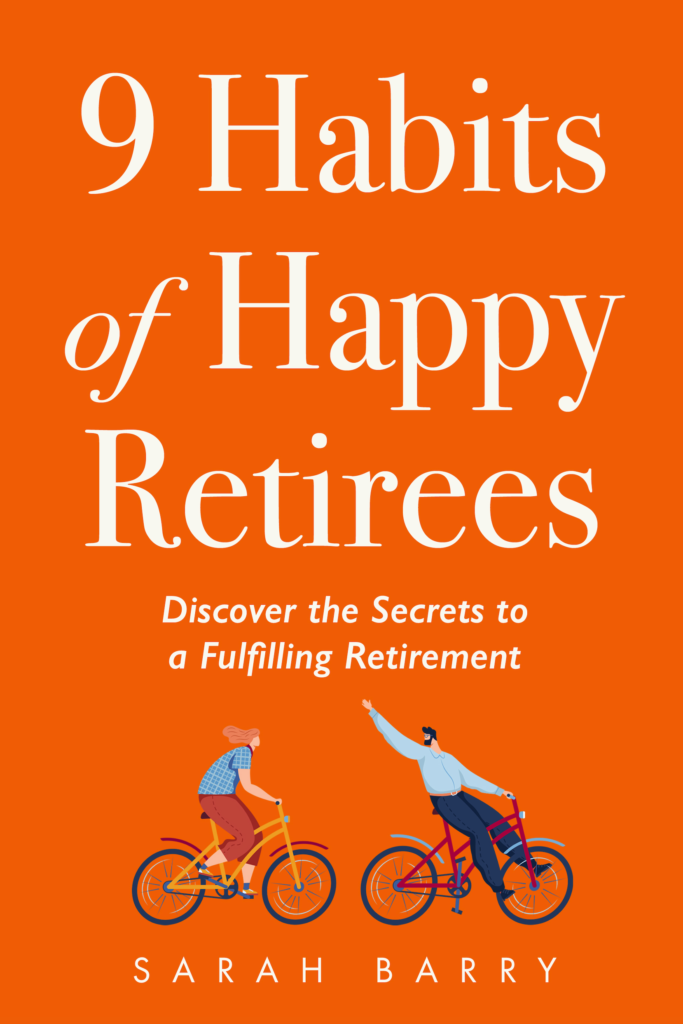
Retirement Re-defined
“9 Habits of Happy Retirees” is your guidebook to crafting a retirement lifestyle that goes beyond financial security, focusing on the habits that lead to true happiness and contentment in your golden years.
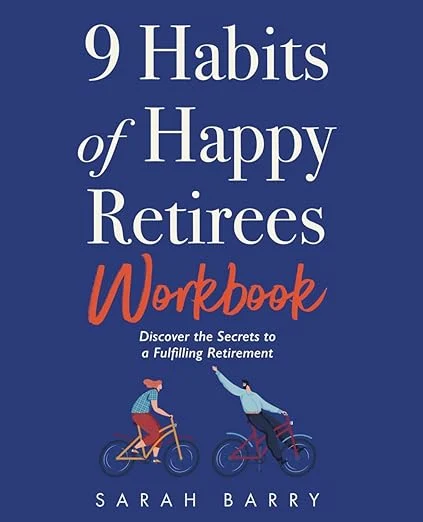
The Essential Workbook
This workbook is designed to complement the book’s theoretical foundation, it offers a hands-on approach to improving your mental, emotional, and social well-being in retirement.
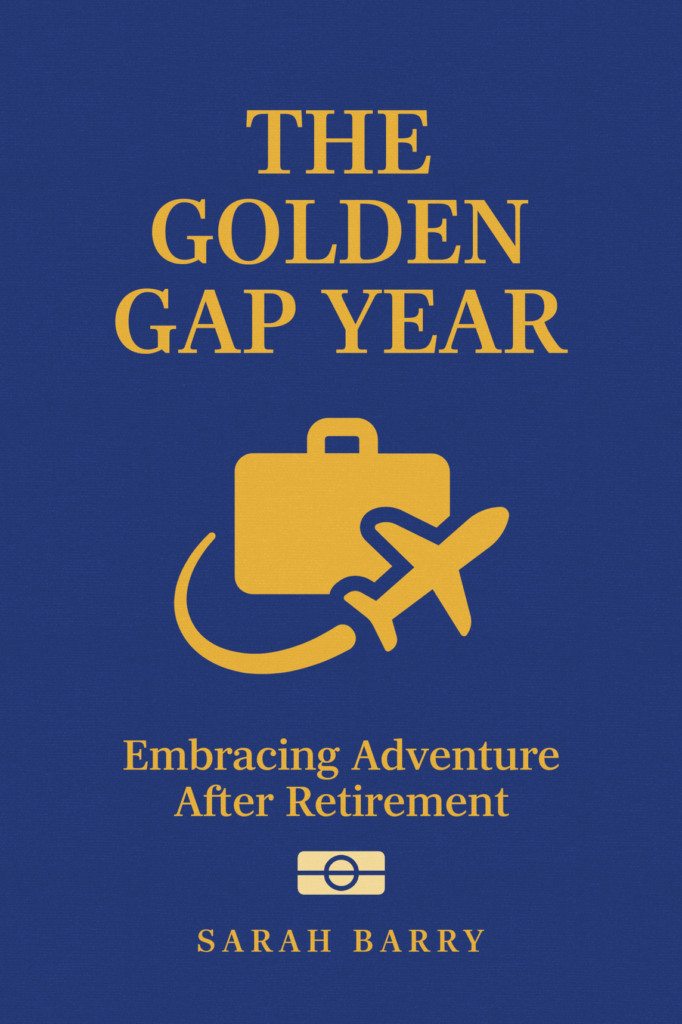
Adventure Re-imagined
A fresh take on post-retirement adventure. This inspiring new book invites you to reimagine your next chapter with purpose, joy, and the freedom to explore what truly lights you up. Your journey is just beginning.
Time expands. Structure helps it feel meaningful.
🌐 Visit www.sarahbarry.com or email hello@sarahbarry.com for coaching and tools to support your next chapter.