
Strategies for Self-Management in Retirement
Why Self-Management Still Matters in Retirement
Retirement marks a profound shift in how we live and think. After decades of schedules, responsibilities, and deadlines, we suddenly find ourselves with a different kind of freedom—one that’s both liberating and disorienting.
Without the structure of work, many retirees ask:
– How do I stay motivated without someone depending on me?
– How do I manage my days without defaulting to busyness—or boredom?
– What matters most now, and how do I protect it?
Self-management in retirement isn’t about rigid to-do lists or hyper-productivity. It’s about intentionally shaping your days so they reflect what matters most to you now—health, connection, contribution, curiosity, or peace.
When you’re no longer defined by a job title or a calendar full of meetings, self-management becomes an internal compass—a way of leading yourself with clarity and care.
1. Reimagine Routine: Create Gentle Structure
In retirement, structure doesn’t need to feel like a constraint. It can be a supportive rhythm—a soft scaffolding for your energy and focus.
– Create a “core rhythm” for your week with a few consistent anchors.
– Balance active time with restorative time.
– Consider themes for each day to add light purpose without over-planning.
Structure is especially helpful during transitional phases when the days risk blurring together. A gentle routine can bring back a sense of momentum and reduce the anxiety of drifting.
2. Know What Fuels You (and What Drains You)
Self-management isn’t just about doing—it’s about noticing. Take stock of:
– What leaves you feeling fulfilled?
– What leaves you feeling depleted?
Try this simple weekly check-in:
– What gave me energy this week?
– What took it away?
– What do I want more (or less) of next week?
3. Get Honest About Time
Time in retirement can feel elastic—until it vanishes. That’s why time awareness, not time control, is key.
– Instead of asking “How can I be more productive?” try “What’s worth doing with my time?”
– Use time tracking for one week.
– Experiment with setting small, meaningful goals.
4. Include Self-Care as a Core Practice
Self-care in retirement becomes a lifestyle—not a luxury. It’s the fuel that allows you to show up well for everything else you care about.
– Prioritize sleep and hydration.
– Choose enjoyable movement.
– Spend time with people who energize you.
– Celebrate small wins.
5. Build Emotional Awareness and Resilience
This phase of life comes with emotional highs and lows. Retirement is not a one-size-fits-all journey—and your emotions are valid.
– Pause and name your emotions.
– Journal, meditate, or talk things through.
– Allow space for your inner experience without judgment.
6. Redefine What “Productivity” Means
You are no longer measured by how much you produce—but that doesn’t mean you don’t need purpose.
Your version of productivity might be mentoring, learning something new, writing, creating art, or protecting your peace. Let go of hustle—and lean into meaningful momentum.
Final Thought: Be the Leader of Your New Life
Self-management in retirement isn’t about doing more. It’s about choosing well. It’s about becoming your own kind of leader—the kind who listens to her needs, honors her energy, and shapes her days with intention.
This is your chapter to write. And it starts with one small, conscious choice at a time.
Want Help Navigating This New Season?
📘 9 Habits of Happy Retirees – A guide to living with more clarity, purpose, and joy in this next season
📝 9 Habits Workbook – Reflection prompts and tools to help you put healthy habits into action
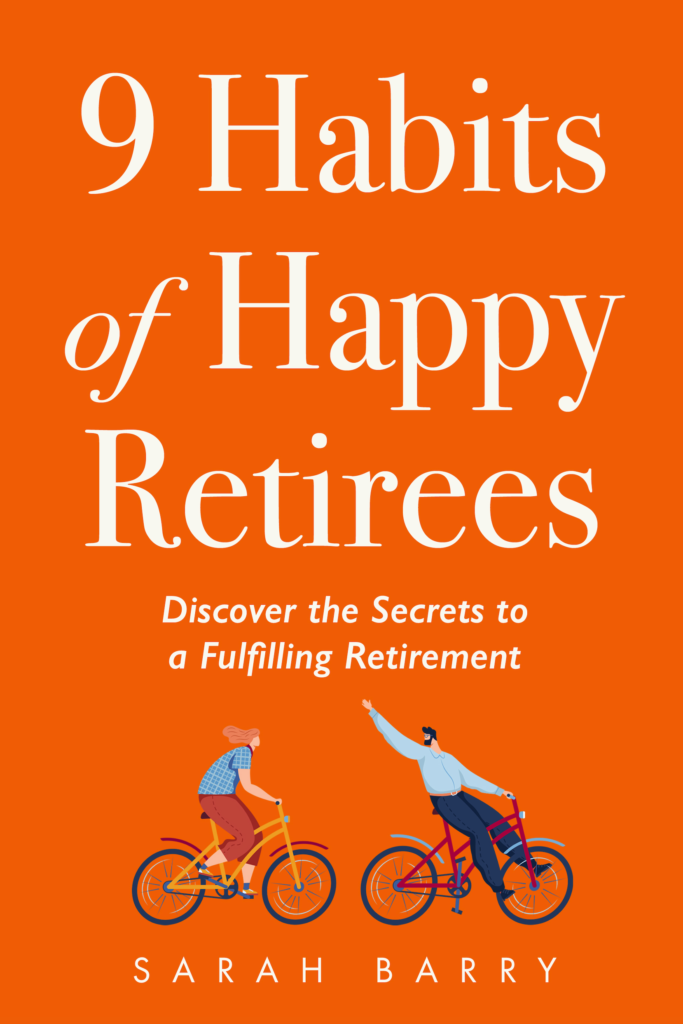
Retirement Re-defined
“9 Habits of Happy Retirees” is your guidebook to crafting a retirement lifestyle that goes beyond financial security, focusing on the habits that lead to true happiness and contentment in your golden years.
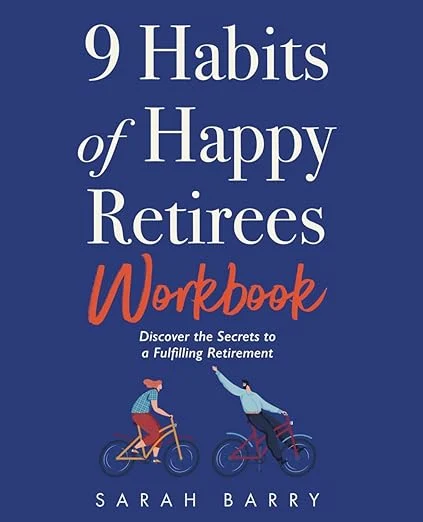
The Essential Workbook
This workbook is designed to complement the book’s theoretical foundation, it offers a hands-on approach to improving your mental, emotional, and social well-being in retirement.
💬 Contact Sarah Barry at hello@sarahbarry.com or visit www.sarahbarry.com to learn more about coaching, books, and resources that support you at every stage.