

Designing a Week That Actually Feels Good to Live
One of the biggest shifts in retirement isn’t just having more time.
It’s having to decide what to do with it.
In working life, your week is largely designed for you.
Meetings sit in your calendar.
Deadlines shape your priorities.
Your days follow a structure you don’t have to think too much about.
Even when it feels busy—or overwhelming—there’s a rhythm to it.
You know where your time is going.
And then retirement changes that.
The structure disappears.
And suddenly, the responsibility of shaping your week becomes your own.
The Hidden Challenge of an Empty Week
At first, an open week can feel like a relief.
No fixed commitments.
No pressure to be anywhere.
No need to rush.
But after a while, something else can emerge.
A sense that the days are blending into each other.
That one week feels much like the next.
That time is passing—but not always in a way that feels intentional.
You might find yourself thinking:
- “Where did the week go?”
- “I had more time—I thought I’d do more with it.”
- “I’m busy, but I don’t feel like I’m moving forward.”
This isn’t about productivity.
It’s about structure.
Because without some shape to your week, time can feel both endless and strangely fleeting at the same time.
Why Structure Still Matters
There’s a common assumption that retirement means moving away from structure completely.
That structure belongs to working life—and freedom means letting it go.
But in reality, structure doesn’t disappear.
It just changes.
In retirement, structure becomes something you create rather than something you follow.
And without it, your days can start to feel:
- Unfocused
- Disconnected
- Or slightly adrift
Structure isn’t about filling every hour.
It’s about giving your time a sense of rhythm.
A way for your days to connect.
A way for your weeks to feel like they’re leading somewhere.
The Difference Between a Full Week and a Fulfilling Week
It’s easy to fill time.
Appointments.
Errands.
Activities.
But a full week doesn’t always feel like a good one.
A fulfilling week is different.
It has:
- Variety
- Balance
- A sense of movement
- Moments that feel meaningful—not just busy
Without this, it’s possible to be active all week—and still feel like something is missing.
Because what you’re looking for isn’t just activity.
It’s a way of living your time that feels aligned with who you are now.
Starting With How You Want It to Feel
One of the simplest ways to begin shaping your week is not by asking:
“What should I be doing?”
But instead:
“How do I want my week to feel?”
Do you want it to feel:
- Calm and spacious?
- Engaging and active?
- Social and connected?
- Focused and purposeful?
Most people want a mix of these.
But without intention, weeks can easily default to whatever happens to fill them.
Starting with feeling creates a different kind of structure—one that’s led by experience, not obligation.
The Building Blocks of a Well-Shaped Week
A week that feels good to live doesn’t need to be complicated.
But it does need a few key elements.
Think of these as anchors rather than rules.
1. Anchor Points
These are the fixed points in your week.
Things you can rely on.
They might be:
- A regular walk
- A weekly class
- A coffee with a friend
- A volunteer commitment
Anchor points create stability.
They give your week a framework without making it rigid.
2. Space (That Stays as Space)
Not every part of your week needs to be filled.
In fact, leaving space is important.
Time to:
- Think
- Rest
- Be unstructured
But there’s a difference between intentional space and empty time that feels undefined.
When space is chosen, it feels restorative.
When it’s unintentional, it can feel like drift.
3. Movement
Movement isn’t just about exercise.
It’s about momentum.
Having something that carries through your week.
A project.
A habit.
Something that builds over time.
This creates a sense that your days are connected—not isolated.
4. Connection
One of the easiest things to lose in retirement is regular interaction.
In working life, connection is built in.
In retirement, it needs to be created.
This doesn’t have to be constant.
But it does need to be consistent.
Even small moments of connection can:
- Lift your energy
- Break up the week
- Give your days more shape
5. Personal Time
Time that is entirely your own.
Not shared.
Not scheduled around others.
Time to:
- Follow your interests
- Think at your own pace
- Be independent within your week
This helps maintain a sense of identity alongside everything else.
Why Trying to “Get It Right” Doesn’t Work
One of the common traps is trying to design the perfect week.
A week that:
- Uses time efficiently
- Feels productive
- Looks balanced on paper
But real life doesn’t work like that.
Energy changes.
Plans shift.
Some days feel different than others.
A rigid plan can quickly become something that feels restrictive rather than supportive.
What works better is something more flexible.
A structure that guides your week—but doesn’t control it.
A More Flexible Approach
Instead of thinking in terms of fixed schedules, try thinking in themes.
For example:
- A day focused on movement
- A day with more social interaction
- A day for personal projects
- A day that remains open
This gives your week variety without overcomplicating it.
And it allows you to adjust as needed—without feeling like you’re starting from scratch.
The Role of Energy
One of the biggest advantages of this stage of life is the ability to listen more closely to your energy.
You’re no longer working around fixed demands.
You can begin to notice:
- When you feel most focused
- When you prefer slower, quieter time
- When you feel more social
- When you need space
Designing your week around energy—not just time—often leads to a more natural and sustainable rhythm.
The Quiet Shift From Reacting to Designing
In working life, much of your time is reactive.
You respond to what’s needed.
In retirement, there’s an opportunity to shift into something different:
designing your time intentionally.
Not perfectly.
Not rigidly.
But thoughtfully.
This is where your week becomes more than just a sequence of days.
It becomes a reflection of:
- What matters to you
- How you want to live
- And what this stage of life looks like for you
The Quiet Truth About This Stage
There isn’t one “right” way to structure your week.
What works for someone else may not work for you.
And what works now may change over time.
That’s part of the process.
Because this isn’t about creating a perfect routine.
It’s about creating a week that feels right—for you, now.
Final Thoughts
If your weeks feel a little unstructured, or not quite how you expected, you’re not alone.
This is one of the biggest adjustments in retirement.
But it’s also one of the biggest opportunities.
To move from a life that was organized for you…
To a life that you shape yourself.
Gently.
Gradually.
And in a way that feels good to live—not just good on paper.
Planning in Chapters
If you prefer steady progress over rigid long-term plans, these resources can help:
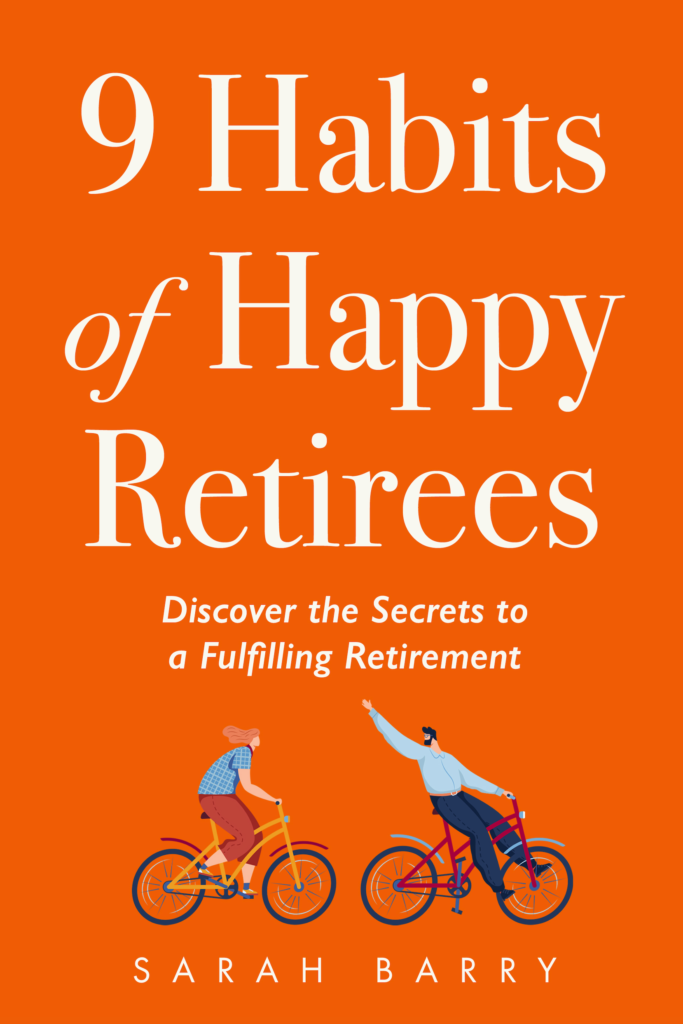
📙 9 Habits of Happy Retirees – A practical guide to building a fulfilling next chapter, one habit at a time.
📘 The 9 Habits Workbook – Reflection prompts and simple planning tools to support clarity and forward movement.
📘 The Golden Gap Year – A thoughtful approach to retirement as a transition to explore, not a single decision to make.
Retirement
Re-defined
9 Habits of Happy Retirees helps you shape a lifestyle that goes beyond financial security—focusing on the everyday habits that support meaning and balance.
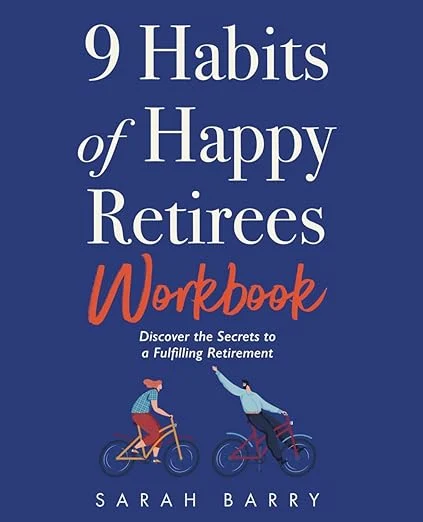
The Essential Workbook
Designed to complement the book, this workbook helps turn reflection into action—supporting your mental, emotional, and social wellbeing in retirement.

Adventure
Re-imagined
The Golden Gap Year invites you to approach retirement with curiosity and intention—creating space for new experiences and personal growth.
You don’t need a forever plan. You need thoughtful phases.
🌐 Visit www.sarahbarry.com or email hello@sarahbarry.com to explore coaching and resources for your next chapter.
