
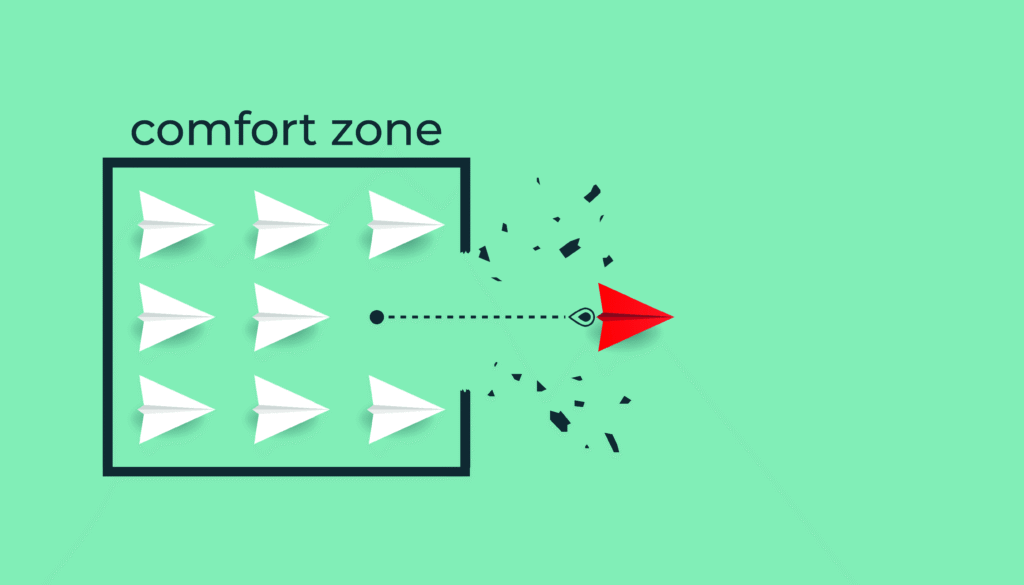
When Freedom Feels Uncomfortable: The Adjustment No One Talks About
Retirement is often described as freedom.
Freedom from schedules.
Freedom from responsibility.
And in many ways, that’s true.
But what’s talked about far less is this:
Freedom can feel surprisingly uncomfortable at first.
Not because something has gone wrong.
But because freedom—real, unstructured freedom—is something most people haven’t experienced for a very long time.
The Expectation vs The Reality
Before retirement, it’s easy to imagine what freedom will feel like.
You picture:
- Waking up without an alarm
- Choosing how to spend your day
- Having time for things you’ve always put off
- Feeling relaxed, calm, and in control
And at times, it does feel like that.
There is relief. There is space. There are moments that feel lighter and less pressured than before.
But alongside those moments, something else can show up.
A restlessness.
A hesitation.
A sense that, despite having all this time, you’re not quite sure what to do with it.
Not in a dramatic way.
More in a quiet, lingering way that’s easy to dismiss—but hard to ignore completely.
Why Freedom Feels Different Than Expected
For most of your adult life, your time has been shaped by external structure.
Work created:
- A reason to get up
- A framework for the day
- Clear priorities
- A sense of progress
Even when work felt demanding, it gave your time direction.
It answered the question of “what comes next?” without you needing to think too hard about it.
In retirement, that external structure disappears.
And what replaces it is something far less familiar:
self-directed time.
At first glance, that sounds ideal.
But self-directed time requires something different:
- Decision-making
- Self-motivation
- Internal structure
- A level of intentionality that wasn’t always required before
And that’s where the discomfort can begin.
Because what once happened naturally now requires conscious effort.
The Weight of Too Much Choice
One of the most unexpected parts of retirement is how many choices suddenly appear.
Before, much of your day was decided for you.
Now, almost nothing is.
You can:
- Do something
- Do nothing
- Start something new
- Continue something old
- Change direction entirely
And while that sounds freeing, it can also feel overwhelming.
Because every choice now comes from you.
And when everything is possible, it can become harder to choose anything at all.
This is where many people find themselves circling the same thoughts:
What should I be doing?
What would make this time feel meaningful?
What actually matters now?
Without clear answers, it’s easy to hesitate—and that hesitation can look like inaction.
When Doing Nothing Doesn’t Feel Relaxing
Many people look forward to rest.
And in the early days of retirement, rest is important.
After years of structured work, your mind and body often need time to slow down.
But after a while, something shifts.
Doing nothing doesn’t always feel restful.
It can start to feel:
- Unsettling
- Unproductive
- Slightly uncomfortable
You might notice a low-level unease creeping in.
A sense that the day has passed without anything to hold onto.
You might find yourself thinking:
- “I should be doing something more with this time.”
- “This doesn’t feel as good as I thought it would.”
This isn’t because rest is wrong.
It’s because rest without direction eventually loses its meaning.
And what begins as recovery can slowly turn into restlessness.
The Loss of Built-In Momentum
In working life, momentum often comes naturally.
There’s always something to move forward.
Something to complete.
Something that carries into the next day.
Your days are connected by progress.
In retirement, that momentum isn’t built in.
Days can feel disconnected from each other.
One day doesn’t necessarily lead into the next.
And without that sense of continuity, it’s easy to feel like you’re:
- Starting from scratch each morning
- Drifting between activities
- Not really moving forward
Even if you’re doing things.
Even if your days are full.
Because busyness and momentum are not the same thing.
And without momentum, it can be harder to feel a sense of purpose or direction.
The Emotional Undercurrent
This phase isn’t just practical—it’s emotional.
But the emotions are often subtle.
Not big or overwhelming.
More like:
- A low-level restlessness
- A sense of unease you can’t quite explain
- A feeling that something hasn’t quite “clicked” yet
- A quiet questioning of whether this is how it’s meant to feel
These emotions can be easy to dismiss.
You might tell yourself:
“I should just enjoy this.”
“I’m lucky to have this time.”
And both of those things are true.
But they don’t remove the reality that adjustment is happening underneath the surface.
Because you’re not just changing how you spend your time.
You’re changing how your life is structured.
And that takes time to settle.
The Tendency to Fill the Space
When freedom feels uncomfortable, the natural instinct is to fix it.
To fill the space.
To stay busy.
To recreate structure quickly.
This can look like:
- Overcommitting to activities
- Saying yes to things out of habit
- Filling the calendar to avoid the discomfort of empty time
- Taking on projects that feel productive—but not necessarily meaningful
And while this can create short-term relief, it often leads to something else:
A version of busyness that feels familiar—but not fully satisfying.
Because it’s driven by avoidance, not intention.
And over time, that can feel just as unfulfilling as having nothing to do.
A Different Way to Understand This Phase
Instead of seeing this discomfort as something to solve, it can be helpful to see it differently:
An adjustment to a new kind of freedom.
Because freedom isn’t just about having time.
It’s about learning how to use that time in a way that feels right for you.
And that’s not something most people have practiced.
For years, your time has been shaped by expectation.
Now, it’s shaped by choice.
And learning how to navigate that shift takes time, awareness, and a willingness to sit with a bit of uncertainty.
What Helps This Adjustment Feel Easier
There’s no single way to navigate this phase.
But a few shifts can make it feel more manageable—and more meaningful.
1. Reduce the Pressure to Use Time “Well”
Not every day needs to be productive.
Not every week needs to feel significant.
Trying to optimise your time too quickly can create unnecessary pressure.
This phase is about adjustment, not achievement.
2. Focus on Direction, Not Perfection
You don’t need a perfect plan.
You don’t need everything figured out.
You just need a general sense of direction.
Something to move towards—even if it evolves over time.
Direction gives your time shape.
Perfection creates pressure.
3. Create Gentle Momentum
Instead of waiting for motivation, create small points of movement:
- A regular walk
- A weekly commitment
- A project you return to
Momentum doesn’t need to be big.
It just needs to be consistent.
Over time, these small actions begin to reconnect your days—and give you a sense of progress again.
4. Accept That Discomfort Is Part of the Process
This is one of the most important shifts.
The discomfort you feel isn’t a mistake.
It’s part of the transition.
It’s what happens when you move from a structured life to a self-directed one.
And it won’t last forever.
5, Give Yourself Time to Grow Into This Stage
You’ve spent years—decades even—living one way.
It’s unrealistic to expect that a completely new way of living will feel natural immediately.
This stage isn’t about instant ease.
It’s about gradual alignment.
The Quiet Reframe
Freedom isn’t always immediately comfortable.
But that doesn’t mean it isn’t valuable.
In fact, the very discomfort you feel can be a signal that something important is happening:
You’re no longer reacting to life.
You’re starting to shape it.
And that shift—from external structure to internal choice—is one of the most significant changes retirement brings.
Final Thoughts
If freedom feels a little uncomfortable right now, you’re not doing it wrong.
You’re adjusting to something new.
Something most people never fully experience until this stage of life.
The discomfort doesn’t mean something is missing.
It means something is changing.
Give it time.
Let it settle.
And trust that, over time, what feels uncertain now can become something far more natural—and far more meaningful—than you expected.
Planning in Chapters
If you prefer steady progress over rigid long-term plans, these resources can help:
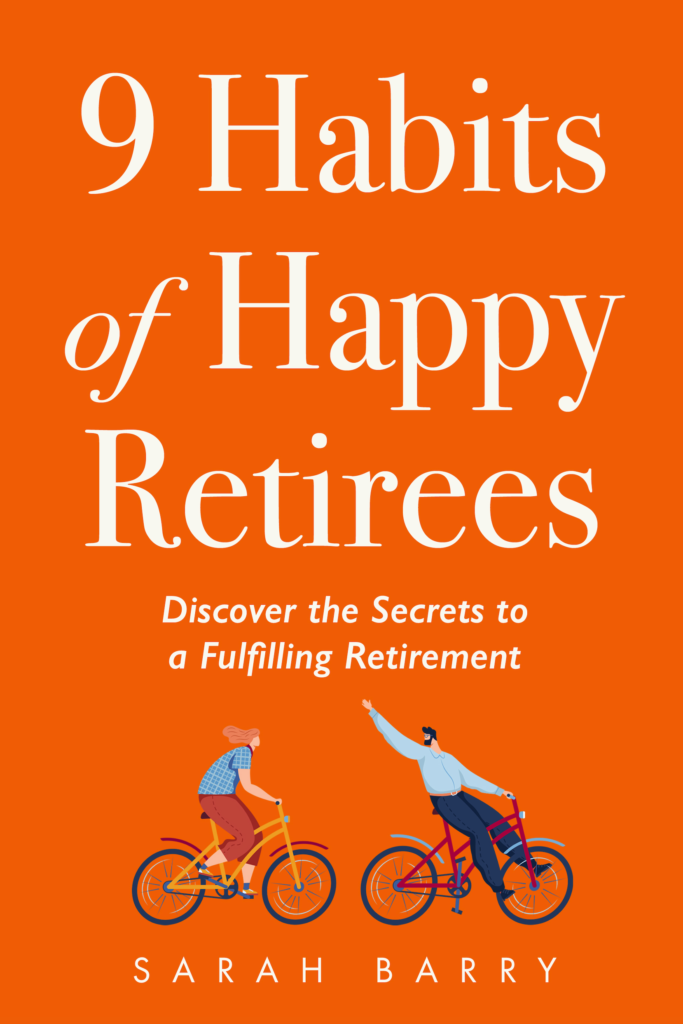
📙 9 Habits of Happy Retirees – A practical guide to building a fulfilling next chapter, one habit at a time.
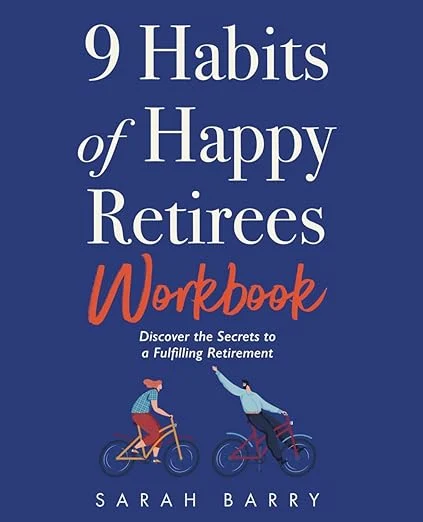
📘 The 9 Habits Workbook – Reflection prompts and simple planning tools to support clarity and forward movement.
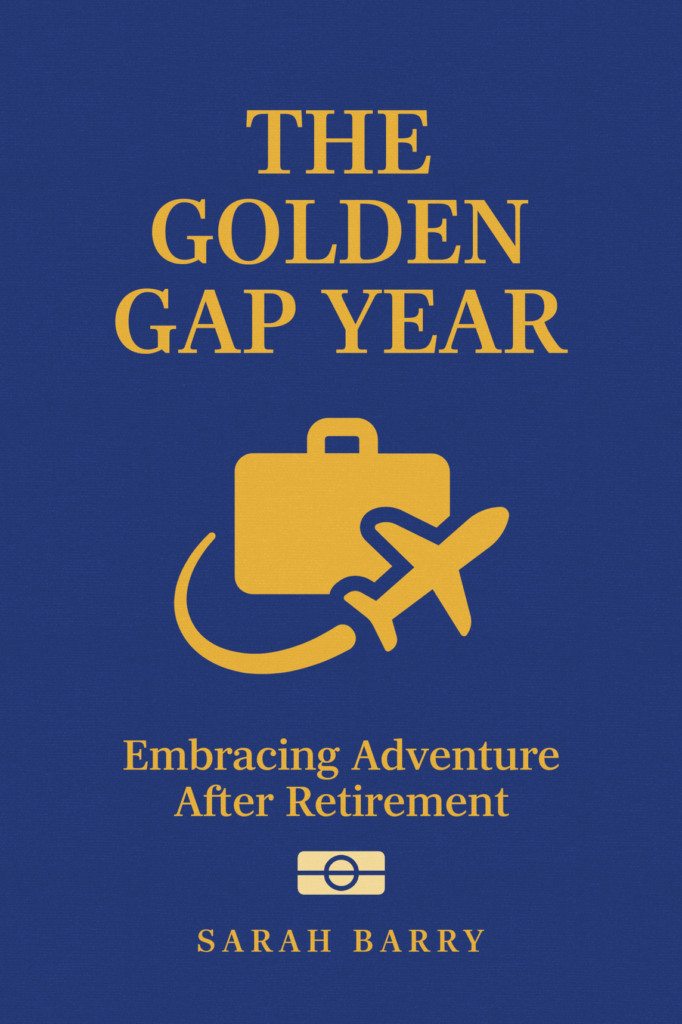
📘 The Golden Gap Year – A thoughtful approach to retirement as a transition to explore, not a single decision to make.
Retirement
Re-defined
9 Habits of Happy Retirees helps you shape a lifestyle that goes beyond financial security—focusing on the everyday habits that support meaning and balance.
The Essential Workbook
Designed to complement the book, this workbook helps turn reflection into action—supporting your mental, emotional, and social wellbeing in retirement.
Adventure
Re-imagined
The Golden Gap Year invites you to approach retirement with curiosity and intention—creating space for new experiences and personal growth.
You don’t need a forever plan. You need thoughtful phases.
🌐 Visit www.sarahbarry.com or email hello@sarahbarry.com to explore coaching and resources for your next chapter.
