

You Don’t Need a Big Purpose — You Need a Direction
One of the most common questions people ask as they approach retirement—or move into it—is this:
“What’s my purpose now?”
It’s a question that carries a lot of weight.
Because behind it sits a deeper concern:
“What am I meant to do with this next stage of my life?”
For many people, work has provided a clear answer.
A role.
A contribution.
A sense of being useful.
And when that structure shifts, it’s natural to look for something to replace it.
Something meaningful.
Something important.
Something that feels like a purpose.
But here’s where things can become difficult.
The Pressure to Find “The One Thing”
The idea of purpose is often presented as something singular.
A defining focus.
A clear calling.
A reason that gives your time direction.
And while that can be true for some people, for many others it creates unnecessary pressure.
You might find yourself thinking:
- “I should have a clear purpose by now.”
- “I don’t want to waste this stage of life.”
- “I need to find something meaningful to focus on.”
This way of thinking can turn what should be an open and flexible stage into something that feels heavy.
Because instead of exploring, you’re searching.
Instead of noticing, you’re trying to define.
And that often leads to one of two outcomes:
Either you feel stuck because nothing feels “big enough”
Or you choose something that looks like purpose—but doesn’t fully feel like it
Why Purpose Can Feel So Elusive
In earlier stages of life, purpose is often embedded in what you do.
Your role creates:
- Structure
- Contribution
- Direction
You don’t always need to think about purpose—it’s built into your day.
In retirement, that external framework is no longer there.
Which means purpose becomes something you’re expected to define for yourself.
And that’s a very different task.
Because purpose isn’t something you can always decide in advance.
It often emerges over time.
Through experience.
Through trial and error.
Through paying attention to what feels meaningful—not just what sounds important.
The Problem With Making Purpose the Goal
When purpose becomes the goal, it can become surprisingly restrictive.
You may start to feel like:
- You need to choose the “right” thing
- You need to commit to something significant
- You need to justify how you’re spending your time
This can create hesitation.
Because what if you choose something—and it doesn’t feel right?
What if you commit—and then want to change direction?
What if nothing feels clear at all?
In trying to find purpose, it’s easy to lose something important:
The freedom to explore without pressure.
A Different Way to Think About This Stage
Instead of asking:
“What is my purpose?”
It can be more helpful to ask:
“What direction feels right for me right now?”
Direction is different from purpose.
Purpose can feel fixed, defined, and long-term.
Direction is more flexible.
It allows for:
- Movement
- Adjustment
- Change over time
It doesn’t require certainty.
It simply requires a starting point.
What Direction Looks Like in Practice
Direction doesn’t need to be dramatic.
It doesn’t need to be fully formed.
It can be as simple as:
- Wanting to spend more time learning
- Feeling drawn to helping others in small ways
- Wanting to reconnect with interests you’ve put aside
- Choosing to focus on your health and wellbeing
- Exploring creative or personal projects
None of these need to define you.
But they give your time a sense of movement.
And over time, that movement often leads to something deeper.
The Value of Small, Meaningful Engagement
One of the misconceptions about purpose is that it has to be big.
That it needs to be:
- Impactful
- Visible
- Clearly defined
But meaning doesn’t always come from scale.
It often comes from:
- Consistency
- Connection
- Engagement
Small things can carry a surprising amount of meaning:
- A regular commitment
- A conversation that matters
- A project you care about
- Time spent doing something that feels absorbing
These don’t need to become your purpose.
But they can create a sense of direction that feels natural and sustainable.
Letting Meaning Build Over Time
Purpose is often something that becomes clear in hindsight.
Not something that appears fully formed at the beginning.
When you allow yourself to move in a direction—without needing to define it—you create space for meaning to develop.
Through:
- Experience
- Reflection
- Noticing what feels right
Over time, patterns begin to emerge.
You start to see:
- What you return to
- What holds your attention
- What feels worthwhile
And from there, something more defined may take shape.
But it doesn’t need to happen all at once.
The Role of Curiosity
If purpose feels too heavy, curiosity is a good place to start.
Instead of asking:
“What should I commit to?”
You might ask:
- “What am I curious about right now?”
- “What would I like to explore a bit more?”
- “What feels interesting, even if I’m not sure why?”
Curiosity removes pressure.
It invites movement without expectation.
And it often leads to places you wouldn’t have planned in advance.
Avoiding the Need to Justify Your Time
Another subtle pressure in this stage of life is the feeling that your time needs to be justified.
That you should be:
- Doing something meaningful
- Using your time well
- Making the most of this opportunity
But not everything needs to be optimized.
Not everything needs to have a clear outcome.
Some things are valuable simply because they are:
- Enjoyable
- Engaging
- Personally meaningful
Letting go of the need to justify every choice can create more space for things that genuinely feel right.
When Direction Changes
One of the advantages of focusing on direction rather than purpose is that it allows for change.
What feels right now may not feel right in a year.
What holds your interest may evolve.
And that’s not a problem.
It’s part of the process.
Because this stage of life isn’t about locking into a single path.
It’s about continuing to adjust, explore, and refine what matters to you.
The Quiet Shift
Moving from purpose to direction creates a quieter, more flexible way of approaching this stage.
It removes the pressure to define everything.
And replaces it with something more manageable:
a sense of movement.
You don’t need to have it all figured out.
You don’t need a single, defining answer.
You just need to begin somewhere—and allow it to evolve.
Final Thoughts
If you’ve been searching for a clear purpose and haven’t found it yet, it doesn’t mean you’re missing something.
It may simply mean you’re asking the wrong question.
You don’t need a big, fully defined purpose to make this stage of life meaningful.
You need a direction.
Something that feels right for you now.
Something that gives your time a sense of movement.
And something that can grow and change as you do.
Planning in Chapters
If you prefer steady progress over rigid long-term plans, these resources can help:
📙 9 Habits of Happy Retirees – A practical guide to building a fulfilling next chapter, one habit at a time.
📘 The 9 Habits Workbook – Reflection prompts and simple planning tools to support clarity and forward movement.
📘 The Golden Gap Year – A thoughtful approach to retirement as a transition to explore, not a single decision to make.
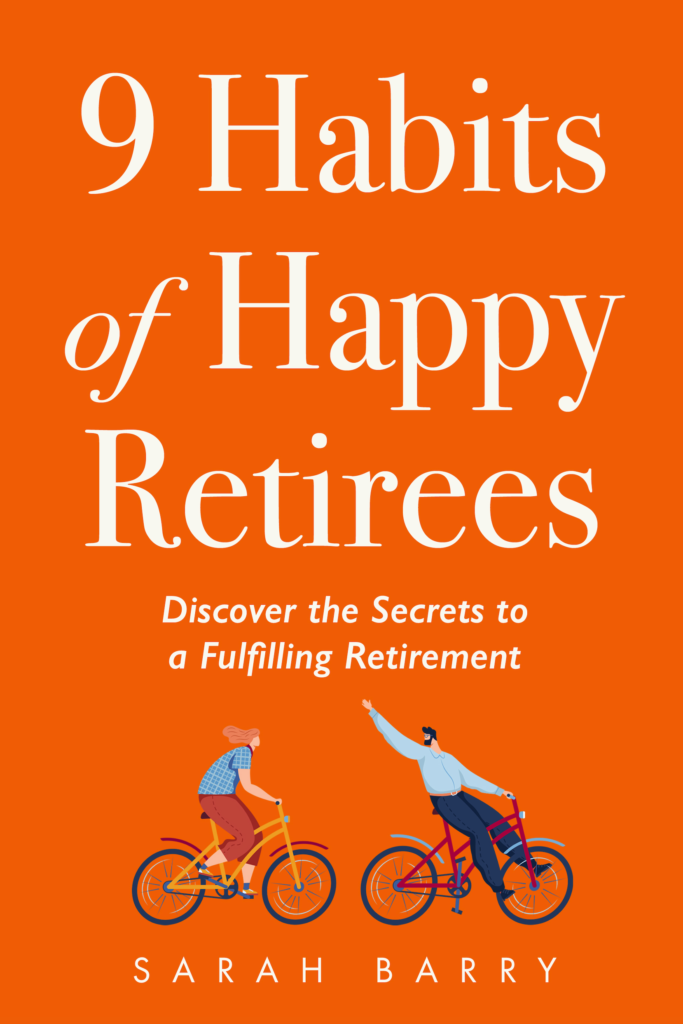
Retirement
Re-defined
9 Habits of Happy Retirees helps you shape a lifestyle that goes beyond financial security—focusing on the everyday habits that support meaning and balance.
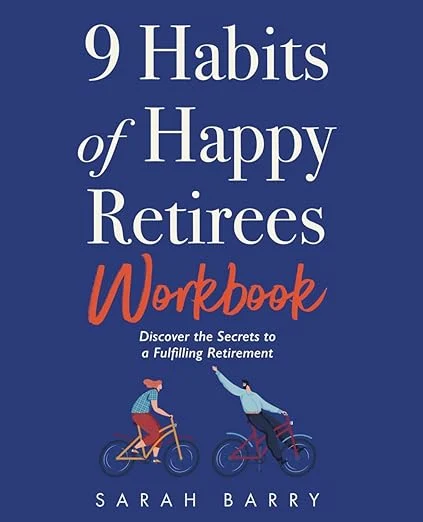
The Essential Workbook
Designed to complement the book, this workbook helps turn reflection into action—supporting your mental, emotional, and social wellbeing in retirement.
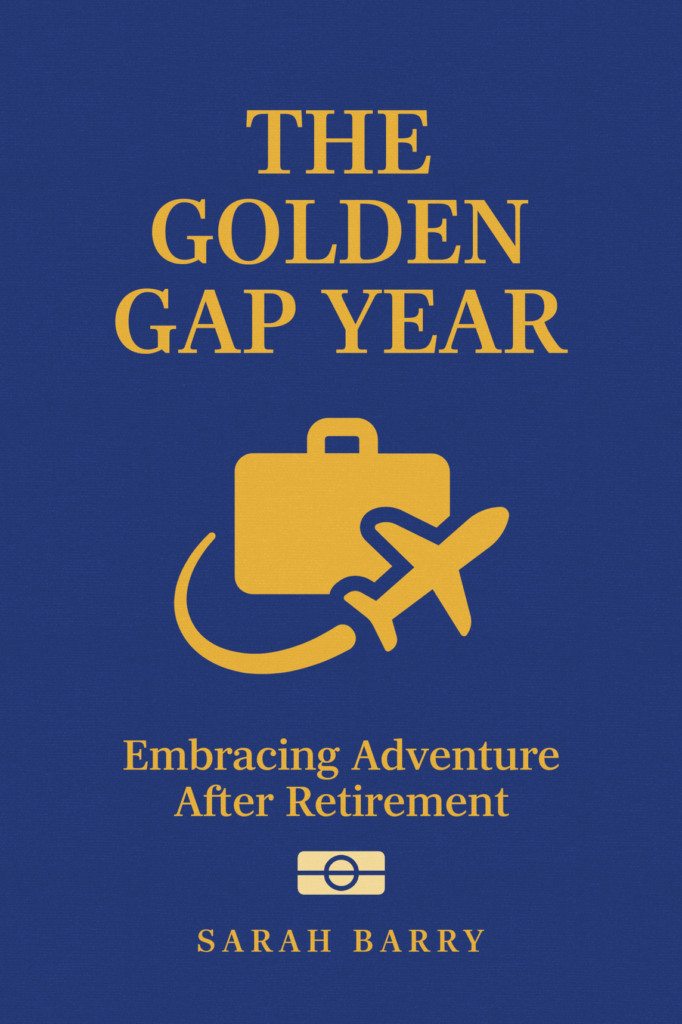
Adventure
Re-imagined
The Golden Gap Year invites you to approach retirement with curiosity and intention—creating space for new experiences and personal growth.
You don’t need a forever plan. You need thoughtful phases.
🌐 Visit www.sarahbarry.com or email hello@sarahbarry.com to explore coaching and resources for your next chapter.
