

What Does a 30-Year Retirement Actually Look Like?
For a long time, retirement was imagined as a relatively short phase of life.
A few years of slowing down.
Time to rest.
A gentle step away from work.
But that version of retirement no longer reflects reality.
Today, many people are entering retirement in their 60s—and living well into their 80s and beyond.
That’s not a short phase.
That’s a 30-year chapter.
And yet, despite the length of this stage, it’s rarely approached that way.
The Gap Between Expectation and Reality
Most retirement planning still focuses on:
- Finances
- Timing
- When to stop working
These are important.
But they only address part of the picture.
What’s often missing is a deeper question:
What does it actually mean to live well for the next 20–30 years?
Because this isn’t just about stepping away from work.
It’s about stepping into a completely new phase of life—one that may last as long as your entire career.
And that requires a different way of thinking
The Old Model No Longer g.Fits
The traditional idea of retirement was built around a different reality.
Shorter life expectancy.
Clearer transitions.
More limited options.
It often followed a predictable pattern:
- Work full-time
- Retire
- Slow down
But when retirement lasts 25 or 30 years, that model starts to feel incomplete.
Slowing down may be part of the picture—but it’s unlikely to sustain you for decades.
Because over that length of time, your needs, interests, and energy will evolve.
And your life will likely move through multiple phases—not just one.
Thinking in Phases, Not a Single Stage
One of the most helpful shifts is to stop thinking about retirement as a single block of time.
And instead, think of it as a series of phases.
For example:
The Early Phase
A time of adjustment.
Letting go of work.
Figuring out how your days feel without structure.
The Exploration Phase
Trying new things.
Reconnecting with interests.
Experimenting with how you want to spend your time.
The Consolidation Phase
Settling into what feels right.
Building routines that support your lifestyle.
Focusing on what matters most.
The Later Phase
Adapting again as energy, priorities, and circumstances change.
These phases aren’t fixed.
They don’t follow a strict timeline.
But they highlight something important:
This stage of life is dynamic.
It changes as you do.
The Risk of Underestimating the Time
One of the biggest challenges is underestimating how long retirement actually is.
If you think of it as a short break, you may:
- Drift through the early years
- Delay decisions about how you want to spend your time
- Assume you’ll “figure it out later”
But over time, that lack of direction can lead to something else:
A sense that time is passing without shape or meaning.
Because when a phase is long, it needs structure.
Not rigid structure—but intentional direction.
The Opportunity of a Longer Life
While longevity brings challenges, it also brings opportunity.
You now have time for things that may not have been possible before.
Time to:
- Learn something new
- Explore different interests
- Build a lifestyle that reflects who you are now
- Contribute in ways that feel meaningful
But these opportunities don’t organize themselves.
They require:
- Awareness
- Intention
- A willingness to engage with this stage, rather than drift through it
The Question Isn’t “What Will I Do?” — It’s “How Will I Live?”
When people think about a long retirement, the focus often goes to activity.
Travel.
Hobbies.
Projects.
But a more useful question is:
How do I want to live across this next chapter?
Because over 20–30 years, it’s not just what you do that matters.
It’s:
- How your days feel
- How your time is structured
- How you stay connected
- How you maintain a sense of purpose and direction
Activities will change.
But the way you live your time becomes the foundation.
The Need for Ongoing Adjustment
Another important shift is recognizing that this stage isn’t something you design once.
And then follow.
It evolves.
What feels right at the beginning may not feel right later.
Your energy will change.
Your priorities may shift.
Your circumstances may evolve.
And that’s not something to plan around perfectly.
It’s something to expect.
A longer retirement isn’t about having a fixed plan.
It’s about being able to adjust as you move through it.
Avoiding the Extremes
When thinking about a long retirement, people often fall into one of two extremes:
Filling the time completely
Trying to stay constantly busy
Overcommitting
Recreating a version of working life
Or:
Leaving time completely open
Assuming things will fall into place
Drifting without direction
Waiting for clarity to arrive
Neither tends to work over the long term.
Because what’s needed isn’t constant activity or complete openness.
It’s balance.
Building a Life That Can Evolve
Instead of trying to define the next 30 years in detail, it can be more helpful to focus on building a life that can evolve.
This includes:
- Light structure to give your time shape
- Flexibility to adjust as things change
- Regular connection to stay engaged
- Ongoing reflection to stay aligned with what matters
This creates something more sustainable than a fixed plan.
It creates a way of living that can adapt over time.
The Psychological Shift
Perhaps the most significant change in a longer retirement is psychological.
You’re no longer working towards a single endpoint.
You’re living within an open-ended chapter.
That requires a shift from:
Following a defined path
To:
Creating your own direction
And that can feel unfamiliar at first.
Because it asks something different of you.
Not just to manage your time—but to shape your life more intentionally.
The Quiet Truth About This Stage
A 30-year retirement isn’t just an extension of life.
It’s a new phase entirely.
One that doesn’t come with a predefined structure.
One that requires:
- Thought
- Adjustment
- And a willingness to engage with it over time
It’s not something to “figure out” once.
It’s something to grow into.
Final Thoughts
If you’re stepping into—or already in—this stage of life, it’s worth pausing to consider the scale of it.
Not as something overwhelming.
But as something meaningful.
You have time.
Not just to fill—but to shape.
And while you don’t need to have all the answers, you do need to stay engaged with the question:
How do I want to live this chapter?
Because over 20–30 years, that question—and how you respond to it—will shape far more than any single plan ever could.
Planning in Chapters
If you prefer steady progress over rigid long-term plans, these resources can help:
📙 9 Habits of Happy Retirees – A practical guide to building a fulfilling next chapter, one habit at a time.
📘 The 9 Habits Workbook – Reflection prompts and simple planning tools to support clarity and forward movement.
📘 The Golden Gap Year – A thoughtful approach to retirement as a transition to explore, not a single decision to make.
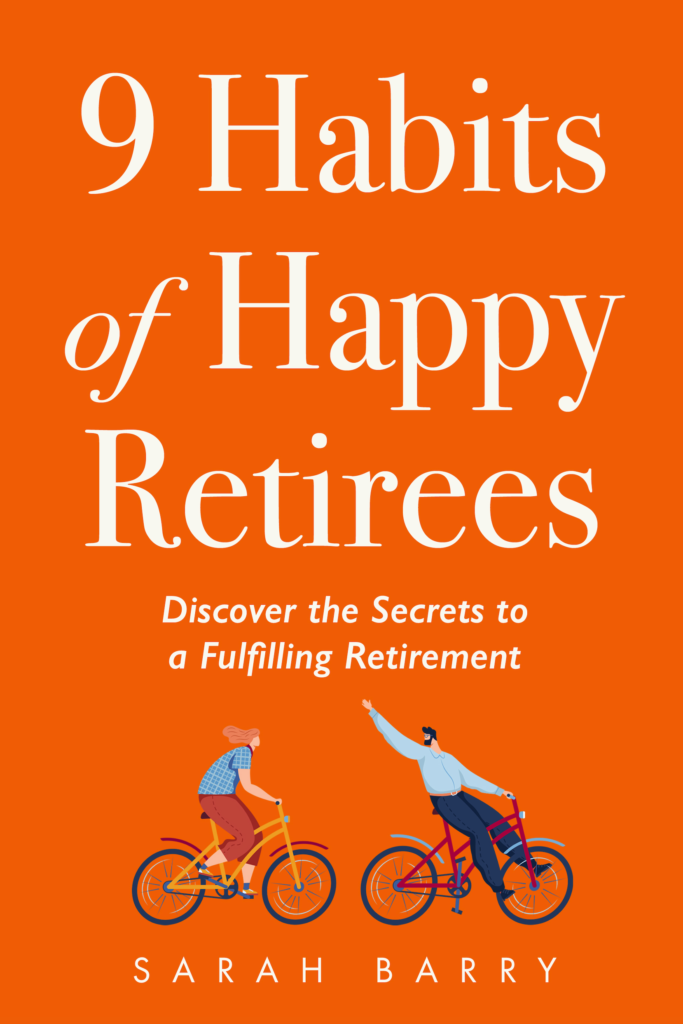
Retirement
Re-defined
9 Habits of Happy Retirees helps you shape a lifestyle that goes beyond financial security—focusing on the everyday habits that support meaning and balance.
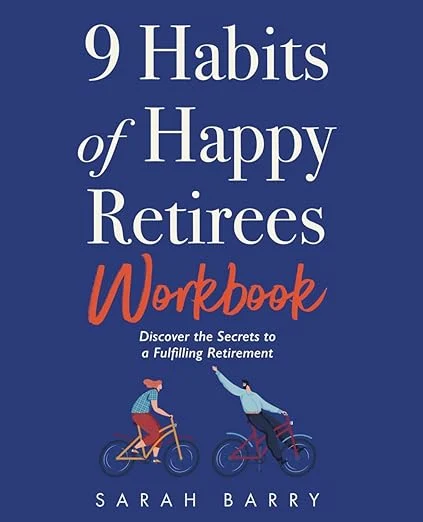
The Essential Workbook
Designed to complement the book, this workbook helps turn reflection into action—supporting your mental, emotional, and social wellbeing in retirement.
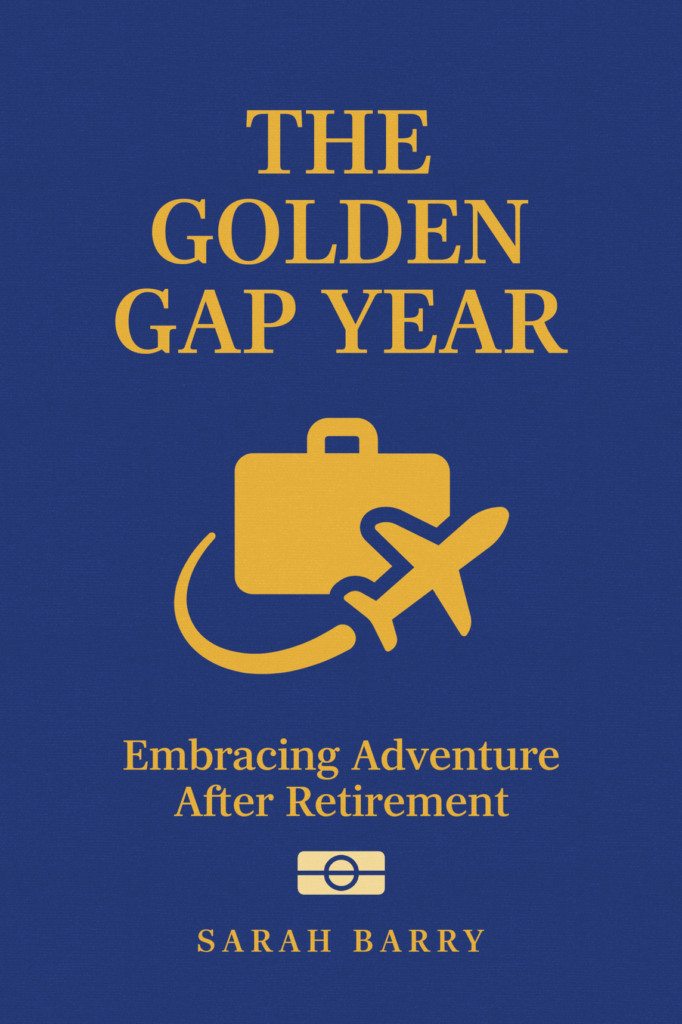
Adventure
Re-imagined
The Golden Gap Year invites you to approach retirement with curiosity and intention—creating space for new experiences and personal growth.
You don’t need a forever plan. You need thoughtful phases.
🌐 Visit www.sarahbarry.com or email hello@sarahbarry.com to explore coaching and resources for your next chapter.
