

Working After Retirement: Not Because You Have To, But Because You Want To
For a long time, retirement and work were seen as opposites.
You worked for decades.
And then you stopped.
That was the model.
Clear. Defined. Final.
But that model is changing.
More people are choosing to continue working in some form after retirement—not because they have to, but because they want to.
And that shift reflects something deeper:
A different way of thinking about time, identity, and how we want to live this next chapter.
Moving Beyond the “Stop Work” Mindset
The idea of retirement as a complete stop made sense when life expectancy was shorter.
A few years of slowing down.
Time to rest.
A gradual step back.
But when retirement can last 20 or 30 years, the idea of stopping entirely doesn’t always feel right.
Not because people want to return to the same pace or pressure.
But because:
- They still have energy
- They still have skills
- They still want to feel engaged
And in many cases, they’re not looking for more work.
They’re looking for a different relationship with work.
The Shift From Obligation to Choice
One of the biggest differences in this stage is choice.
In earlier phases of life, work is often driven by:
- Financial responsibility
- Career progression
- External expectations
In retirement, those drivers can shift.
And what remains is something more personal:
Do I want to work?
For those who say yes, the motivation is often very different.
It’s less about obligation.
And more about:
- Staying mentally engaged
- Having a sense of contribution
- Using skills in a way that still feels relevant
- Maintaining a connection to something beyond yourself
Redefining What “Work” Looks Like
Continuing to work doesn’t have to mean returning to a full-time role.
In fact, for many people, the appeal lies in doing something that looks very different from what came before.
This might include:
- Part-time work
- Project-based roles
- Consulting or advisory work
- Mentoring or coaching
- Starting something small and independent
The common thread isn’t the type of work.
It’s the flexibility.
The ability to choose:
- When you work
- How much you work
- And what kind of work you do
The Value of Staying Engaged
Work—when chosen intentionally—can offer something that’s sometimes missing in early retirement:
a sense of ongoing engagement.
Not just filling time.
But contributing in a way that feels purposeful.
It provides:
- Structure without rigidity
- Focus without pressure
- A sense of continuity between past experience and present life
For many people, this creates a more balanced rhythm.
Time for yourself.
And time that connects you to something beyond your immediate world.
Letting Go of the Old Version of Work
One of the challenges in this transition is letting go of what work used to mean.
Because if work is still defined by:
- Long hours
- High pressure
- Constant responsibility
Then returning to it may not feel appealing.
But when work is redefined, it can become something else entirely.
Something that fits around your life, rather than shaping it completely.
This might mean:
- Saying no more often
- Choosing roles that feel aligned
- Letting go of status or title
- Focusing on enjoyment and contribution rather than progression
And that requires a shift in mindset.
The Question of Identity
For some people, work is closely tied to identity.
It’s how they’ve introduced themselves.
How they’ve understood their value.
How they’ve connected with others.
In retirement, that identity can feel less defined.
Continuing to work—on your own terms—can provide a bridge.
Not back to who you were.
But forward into a version of yourself that still feels:
- Engaged
- Relevant
- Connected
Without needing to recreate the past.
When Work Isn’t the Right Fit
It’s equally important to say this:
Not everyone wants—or needs—to continue working.
And that’s completely valid.
For some, retirement is a time to:
- Step away fully
- Focus on personal interests
- Prioritize rest, family, or health
There isn’t a single right approach.
The key is that the choice feels intentional.
Not driven by expectation—either to keep working or to stop completely.
Avoiding the Extremes
As with many aspects of retirement, it’s easy to move toward extremes.
Either:
- Recreating a version of full-time work that feels too demanding
Or:
- Avoiding any form of structured engagement altogether
Neither tends to feel sustainable over time.
What often works better is something in between.
A level of involvement that:
- Feels manageable
- Feels enjoyable
- Fits around the life you want now
Starting Small
For those considering working in some form, it doesn’t need to be a big decision.
It can start small.
A conversation.
A short-term project.
Offering your experience in a low-pressure way.
This allows you to:
- Test what feels right
- Adjust without commitment
- Explore without pressure
Because what works for you will likely become clearer through experience—not planning alone.
The Role of Energy and Timing
Another important factor is energy.
What feels appealing at the start of retirement may shift over time.
You may want:
- More engagement in the early years
- More space later on
Or the reverse.
There’s no fixed timeline.
And that’s part of the advantage.
You can adjust your level of involvement as your priorities and energy change.
Contribution Beyond Work
It’s also worth remembering that contribution doesn’t have to come through formal work.
It can take many forms:
- Volunteering
- Mentoring informally
- Supporting others in your community
- Sharing your experience in small, meaningful ways
The underlying need isn’t always work itself.
It’s contribution.
And there are many ways to meet that need.
The Quiet Reframe
Perhaps the most helpful way to think about this is not:
“Should I keep working?”
But:
“What level of engagement feels right for me now?”
Because work, in this stage of life, is no longer a requirement.
It’s an option.
One of many ways to shape your time.
The Quiet Truth About This Stage
The idea that retirement must mean stopping completely is no longer the only model.
For many people, a more blended approach feels more natural.
Not fully working.
Not fully stopping.
But creating something in between.
A rhythm that allows for:
- Freedom
- Engagement
- And flexibility
Final Thoughts
Working after retirement doesn’t have to mean going back.
It can mean moving forward—differently.
On your terms.
At your pace.
In a way that reflects who you are now, not just who you’ve been.
And whether you choose to work or not, the most important thing is that it feels like a choice.
Not an expectation.
Because this stage of life isn’t about following a model.
It’s about creating one that fits you.
Planning in Chapters
If you prefer steady progress over rigid long-term plans, these resources can help:
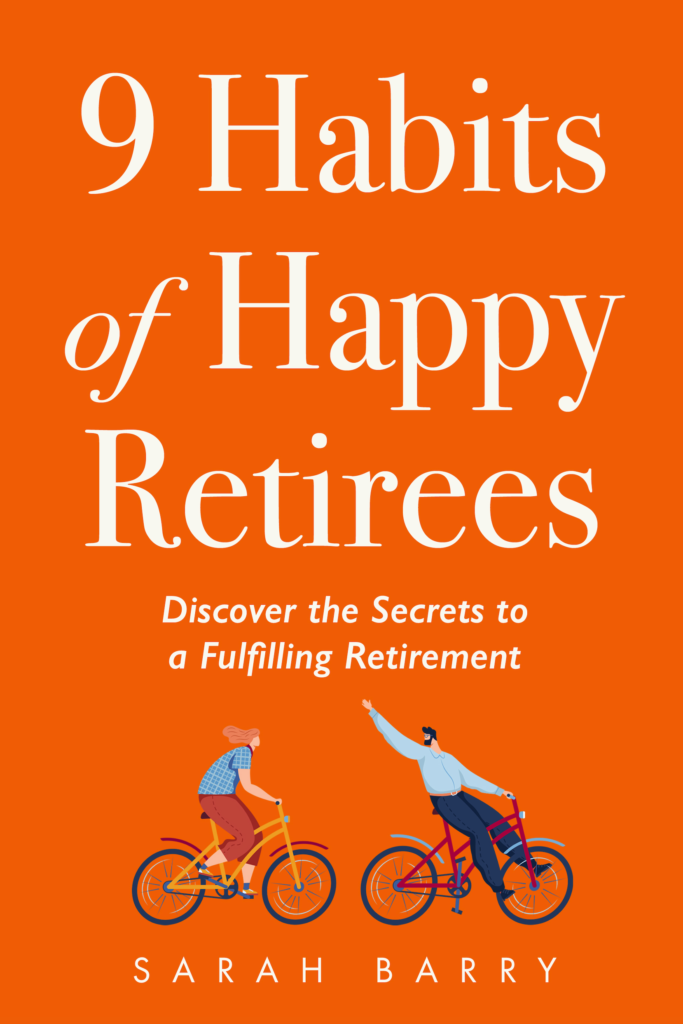
📙 9 Habits of Happy Retirees – A practical guide to building a fulfilling next chapter, one habit at a time.
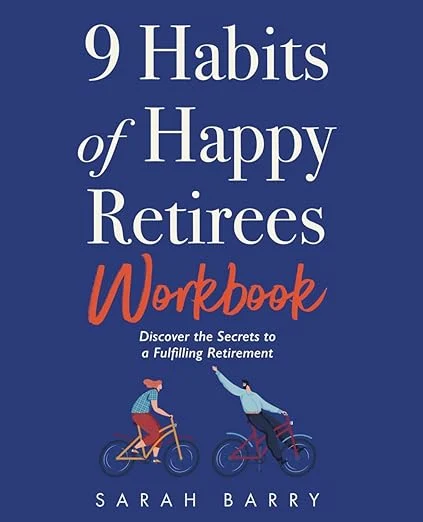
📘 The 9 Habits Workbook – Reflection prompts and simple planning tools to support clarity and forward movement.
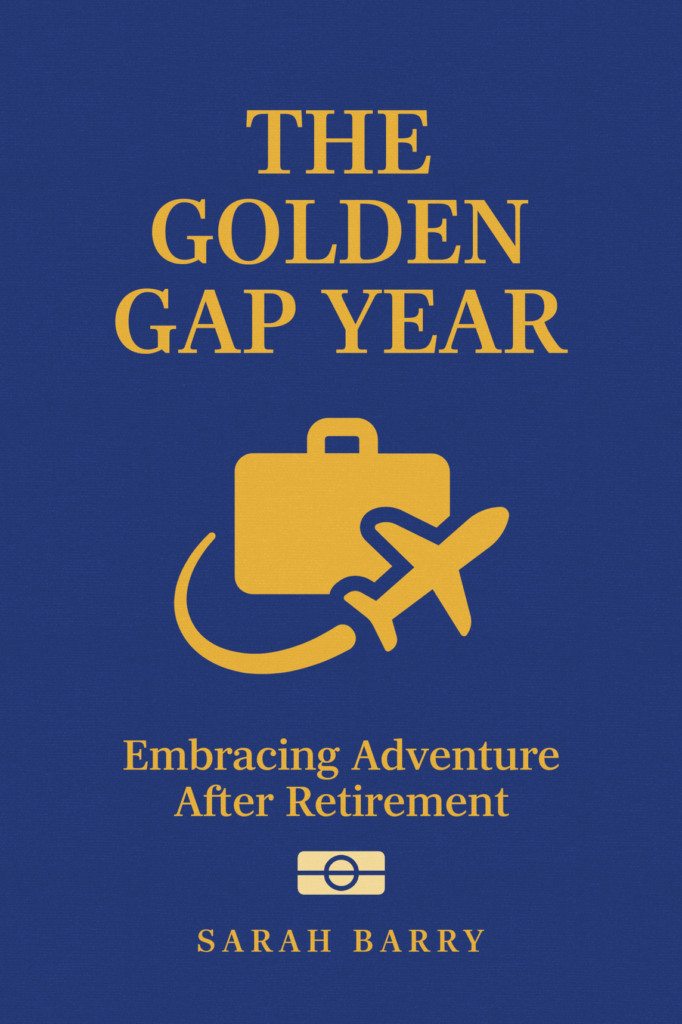
📘 The Golden Gap Year – A thoughtful approach to retirement as a transition to explore, not a single decision to make.
Retirement
Re-defined
9 Habits of Happy Retirees helps you shape a lifestyle that goes beyond financial security—focusing on the everyday habits that support meaning and balance.
The Essential Workbook
Designed to complement the book, this workbook helps turn reflection into action—supporting your mental, emotional, and social wellbeing in retirement.
Adventure
Re-imagined
The Golden Gap Year invites you to approach retirement with curiosity and intention—creating space for new experiences and personal growth.
You don’t need a forever plan. You need thoughtful phases.
🌐 Visit www.sarahbarry.com or email hello@sarahbarry.com to explore coaching and resources for your next chapter.
