
The Small Shifts That Quietly Change Everything in Retirement
When people think about retirement, they often imagine big changes.
More time.
New routines.
Perhaps travel, new activities, or long-postponed plans.
There’s an expectation that this stage of life will be defined by significant decisions.
A clear plan.
A new direction.
A sense of purpose that replaces what came before.
But in reality, what shapes this stage of life isn’t always the big decisions.
It’s the small shifts.
The ones that are easy to overlook.
The ones that don’t feel dramatic—but quietly influence how your days unfold.
Why Big Changes Don’t Always Create Lasting Impact
It’s natural to think in terms of major changes.
To ask:
- “What should I do next?”
- “What’s my plan for this stage?”
But big decisions, on their own, don’t always translate into a life that feels good to live.
Because how your life feels day to day isn’t shaped by one decision.
It’s shaped by what happens consistently.
Your habits.
Your rhythms.
Your small choices.
And these are often where the real shift happens.
The Difference Between Thinking and Living
It’s easy to spend time thinking about how you want this stage of life to look.
Planning.
Reflecting.
Considering different options.
And while this has value, it doesn’t always translate into change.
Because there’s a gap between:
- Thinking about your life
And
- Living it
Small shifts help bridge that gap.
They move things from intention into experience.
What a “Small Shift” Actually Means
A small shift isn’t a major life change.
It’s something more subtle.
Something that:
- Adjusts how your day feels
- Changes how you use your time
- Influences your energy or focus
It might be:
- Starting the day differently
- Adding a regular point of connection
- Changing how you structure your week
- Letting go of something that no longer feels right
Individually, these changes don’t seem significant.
But over time, they shape your experience in meaningful ways.
Why Small Shifts Work
There’s a reason small shifts are so effective.
They don’t require:
- A complete plan
- A major commitment
- Or a clear long-term outcome
They’re easier to start.
Easier to adjust.
And easier to maintain.
This makes them more likely to become part of your daily life.
And it’s consistency—not intensity—that creates lasting change.
Where Small Shifts Make the Biggest Difference
There are a few areas where even small changes can have a noticeable impact.
1. How Your Day Begins
The start of the day often sets the tone for everything that follows.
In retirement, mornings can easily drift.
There’s no urgency. No fixed start.
And while that can feel relaxing, it can also create a sense of lack of direction.
A small shift here might be:
- Beginning the day with something intentional
- A walk, a quiet moment, or a simple routine
This doesn’t need to be structured.
But it does create a sense of starting the day with purpose—even in a gentle way.
2. How Your Week Is Shaped
Without structure, weeks can blend into each other.
One day feels much like the next.
A small shift here might be:
- Adding a few anchor points
- Creating light themes for different days
- Ensuring there’s a balance between activity and space
This helps your week feel more defined—without becoming rigid.
3. How You Stay Connected
Connection often becomes less automatic in retirement.
It needs to be created.
A small shift might be:
- Reaching out regularly
- Setting a simple weekly catch-up
- Joining something that creates natural interaction
These don’t need to be frequent.
But they do need to be consistent.
4. How You Respond to Your Time
One of the biggest changes in retirement is having more open time.
How you respond to that time matters.
A small shift might be:
- Choosing one thing to focus on each day
- Letting go of the pressure to do everything
- Being more intentional with how you spend your time
This reduces overwhelm—and increases clarity.
5. What You Let Go Of
Not all shifts involve adding something.
Some involve removing something that no longer fits.
This might be:
- Letting go of expectations that don’t feel relevant
- Releasing habits that don’t serve you
- Moving away from ways of thinking that belong to a different stage
Letting go creates space.
And that space allows something new to emerge.
Why These Shifts Often Go Unnoticed
Small shifts don’t stand out.
They don’t feel like milestones.
They don’t come with a clear sense of achievement.
Which means they’re easy to overlook.
But over time, they accumulate.
And when you look back, they often explain why things feel different.
Not because of one big change.
But because of many small ones.
The Compounding Effect
A single small shift might not feel significant.
But several, over time, begin to shape your experience in a meaningful way.
They:
- Create rhythm
- Build momentum
- Improve how your days feel
- Bring a sense of direction without pressure
This is where real change happens.
Not all at once.
But gradually.
Letting Change Be Gentle
There’s often a belief that change needs to be decisive.
Clear.
Defined.
Immediate.
But in this stage of life, a gentler approach often works better.
Small shifts allow you to:
- Adjust without pressure
- Explore without commitment
- Refine as you go
They respect the fact that this phase is still unfolding.
The Role of Awareness
Small shifts start with awareness.
Noticing:
- What feels right
- What doesn’t
- Where your energy goes
- What leaves you feeling engaged—or drained
This awareness doesn’t need to lead to immediate action.
But it creates the foundation for change.
Because once you notice something, you can begin to adjust it.
The Quiet Shift
The shift isn’t from one life to another.
It’s from:
⦁ Living by default
To
⦁ Living with more awareness
From:
⦁ Reacting to your time
To
⦁ Shaping it
And that doesn’t happen through one big decision.
It happens through small, consistent changes.
The Quiet Truth About This Stage
There isn’t a single moment where everything clicks into place.
No point where you suddenly feel like you’ve “figured it out.”
Instead, there’s a gradual shift.
Where things begin to feel:
- More settled
- More aligned
- More natural
And often, that shift is the result of small changes made over time.
Final Thoughts
If you’re looking for a big answer to how to shape this stage of life, you may not find it in one place.
But you will find it in small shifts.
In how you start your day.
In how you shape your week.
In how you choose to spend your time.
And in what you decide to keep—and let go.
Because over time, these small changes don’t just adjust your days.
They quietly change everything.
Planning in Chapters
If you prefer steady progress over rigid long-term plans, these resources can help:
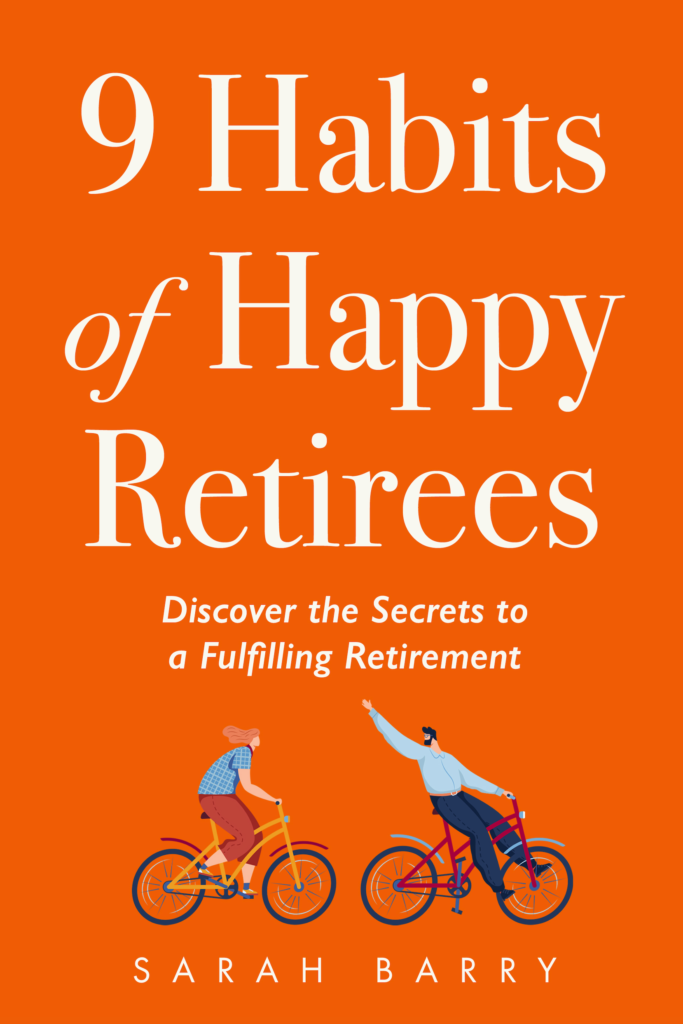
📙 9 Habits of Happy Retirees – A practical guide to building a fulfilling next chapter, one habit at a time.
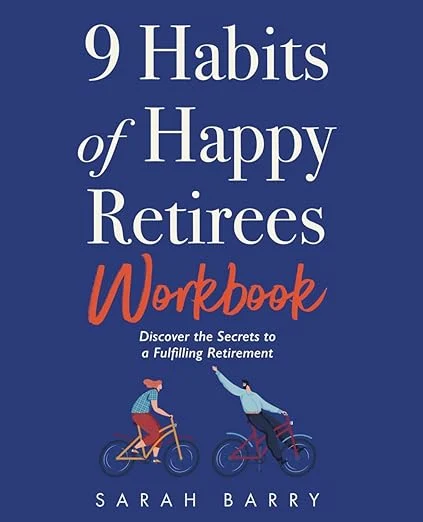
📘 The 9 Habits Workbook – Reflection prompts and simple planning tools to support clarity and forward movement.
📘 The Golden Gap Year – A thoughtful approach to retirement as a transition to explore, not a single decision to make.
Retirement
Re-defined
9 Habits of Happy Retirees helps you shape a lifestyle that goes beyond financial security—focusing on the everyday habits that support meaning and balance.
The Essential Workbook
Designed to complement the book, this workbook helps turn reflection into action—supporting your mental, emotional, and social wellbeing in retirement.

Adventure
Re-imagined
The Golden Gap Year invites you to approach retirement with curiosity and intention—creating space for new experiences and personal growth.
You don’t need a forever plan. You need thoughtful phases.
🌐 Visit www.sarahbarry.com or email hello@sarahbarry.com to explore coaching and resources for your next chapter.
