
When Everything Is Possible, It’s Hard to Choose Anything
One of the most unexpected challenges in retirement isn’t a lack of options.
It’s the opposite.
There are too many.
For years, your time has been shaped by structure.
Work determined much of your day.
Responsibilities created clear priorities.
Decisions were often made in response to what needed to happen next.
And then retirement changes that.
Suddenly, your time opens up.
And with that comes something that seems, at first, like complete freedom:
choice.
The Freedom of Choice—and Its Hidden Weight
Having choice sounds like a positive thing.
And it is.
You can:
- Spend your day however you like
- Try new things
- Revisit old interests
- Change direction whenever you choose
But alongside that freedom comes something less obvious:
The weight of deciding.
Because when nothing is decided for you, everything becomes your responsibility.
Every day begins with the same open question:
What do I want to do today?
And while that question sounds simple, it can be surprisingly difficult to answer—especially when there are no constraints guiding you.
Why Too Much Choice Can Feel Overwhelming
In working life, your choices are naturally limited.
Your role, your schedule, and your commitments create boundaries.
You don’t have to consider every possible option.
You work within a defined framework.
In retirement, those boundaries disappear.
And without them, the number of possible choices expands.
You could:
- Start something new
- Continue something familiar
- Change direction entirely
- Or do nothing at all
And while this openness creates opportunity, it also removes clarity.
Because when everything is possible, it becomes harder to decide what matters most.
The Quiet Paralysis That Can Follow
When faced with too many options, it’s common to hesitate.
Not in a dramatic way.
But in small, everyday moments.
You might notice:
- Putting off decisions
- Moving between ideas without committing to any of them
- Waiting for something to feel clear before starting
Days pass.
Weeks pass.
And despite having the time, nothing quite takes shape.
This isn’t laziness.
It’s a natural response to having too many open possibilities and no clear way to narrow them down.
The Pressure to Choose “Well”
Alongside the number of choices, there’s often another layer:
The pressure to make the right ones.
You may find yourself thinking:
- “I don’t want to waste this time.”
- “I should be doing something meaningful.”
- “I need to make the most of this stage of life.”
This pressure can make decisions feel heavier.
Because now, it’s not just about choosing something.
It’s about choosing something that feels worthwhile.
And when nothing feels certain, it can be easier not to choose at all.
When Options Replace Direction
Another subtle shift happens when choice becomes the focus.
Instead of having a direction, you have options.
And while options are useful, they don’t provide movement.
Direction does.
Without direction:
- Choices feel disconnected
- Decisions feel harder
- Progress feels unclear
You may try a number of things—but without a sense of where you’re heading, they don’t always feel like they’re leading anywhere.
Why Waiting for Clarity Doesn’t Work
It’s natural to want clarity before making decisions.
To wait until something feels right.
To look for certainty before committing.
But clarity rarely comes first.
It usually comes after you start.
Through:
- Trying something
- Noticing how it feels
- Adjusting based on that experience
Waiting for clarity often leads to more waiting.
Because clarity is built through action—not before it.
A Different Way to Approach Choice
Instead of trying to find the perfect option, it can be helpful to approach choice differently.
Not as something to get right.
But as something to move through.
Because in this stage of life, decisions don’t need to be permanent.
They can be:
- Temporary
- Exploratory
- Adjustable
This reduces the pressure—and makes it easier to begin.
Narrowing the Field
When everything is possible, one of the most useful things you can do is narrow your focus.
Not forever.
Just for now.
This might look like:
- Choosing one or two areas to explore
- Focusing on what feels most interesting—not most important
- Letting go of the idea that you need to consider every option
Limiting your choices creates clarity.
And clarity makes action easier.
The Role of Direction
As explored earlier, direction matters more than a perfect plan.
You don’t need to know exactly where you’re going.
But having a general sense of movement helps.
For example:
- “I want to focus more on staying active.”
- “I’d like to spend more time learning.”
- “I want to be more connected to people.”
These aren’t fixed goals.
But they guide your choices.
And that makes decision-making simpler.
Small Decisions Create Momentum
One of the most effective ways to move through this phase is to lower the size of your decisions.
Instead of asking:
“What should I commit to long-term?”
Ask:
- “What can I try this week?”
- “What feels worth exploring a little further?”
Small decisions are easier to make.
And they create movement.
Over time, that movement builds momentum—and momentum makes everything feel more manageable.
Accepting That Some Choices Won’t Stick
Not everything you try will feel right.
Some things will lose their appeal.
Some will not develop in the way you expected.
And that’s part of the process.
Because each experience gives you information.
About:
- What you enjoy
- What holds your attention
- What feels meaningful
Letting go of what doesn’t work isn’t failure.
It’s refinement.
The Emotional Side of Choosing
It’s also worth acknowledging that decision-making isn’t just practical.
It’s emotional.
Choosing something means:
- Letting go of other options
- Accepting uncertainty
- Moving forward without guarantees
That can feel uncomfortable.
But it’s also what allows your time to take shape.
Because without choosing, everything remains open—but nothing moves.
The Quiet Shift
The shift isn’t from having no options to having many.
It’s from reacting to choices…
To shaping them.
From waiting for clarity…
To creating it through action.
And from feeling overwhelmed by possibility…
To moving through it—one step at a time.
Final Thoughts
If you’ve found yourself hesitating, circling decisions, or unsure where to begin, you’re not alone.
This is a natural part of having more freedom than you’ve had before.
When everything is possible, it can feel harder to choose anything.
But you don’t need to get it right.
You just need to begin.
Choose something.
Try it.
See how it feels.
And let that guide your next step.
Because over time, small decisions create direction.
And direction creates a life that feels more intentional—and more your own.
Planning in Chapters
If you prefer steady progress over rigid long-term plans, these resources can help:
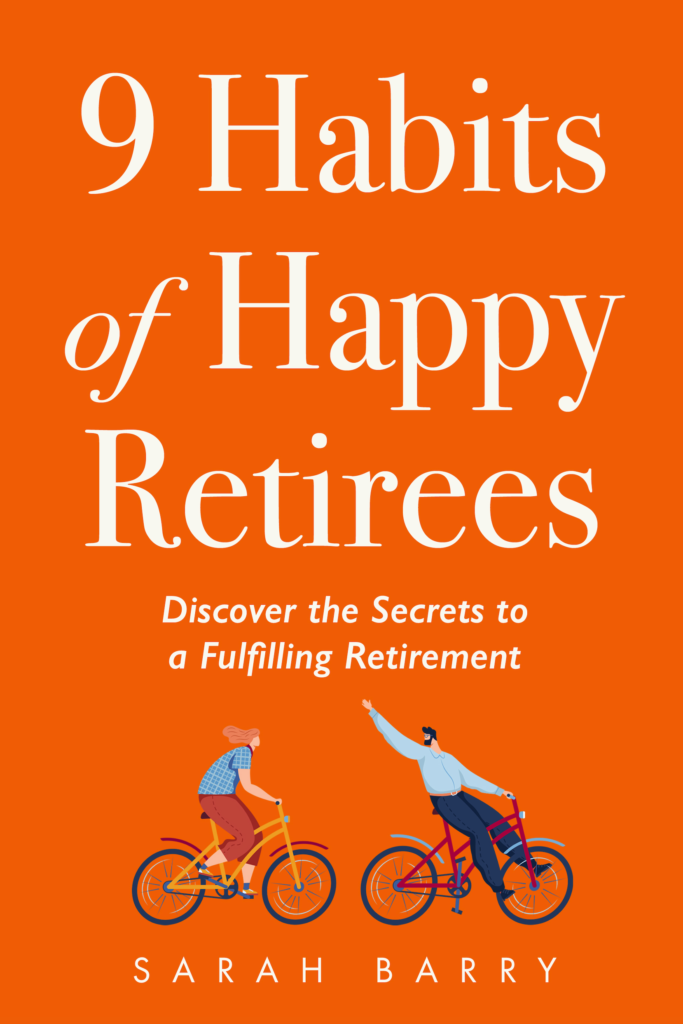
📙 9 Habits of Happy Retirees – A practical guide to building a fulfilling next chapter, one habit at a time.
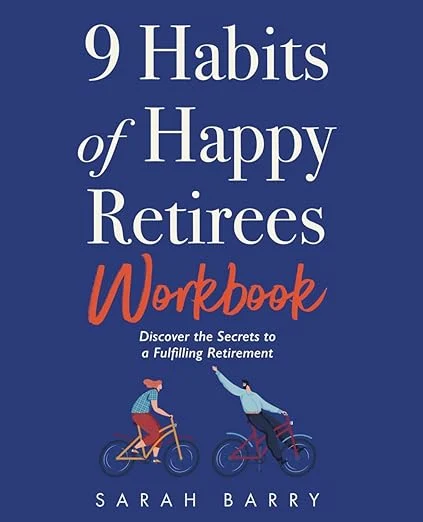
📘 The 9 Habits Workbook – Reflection prompts and simple planning tools to support clarity and forward movement.
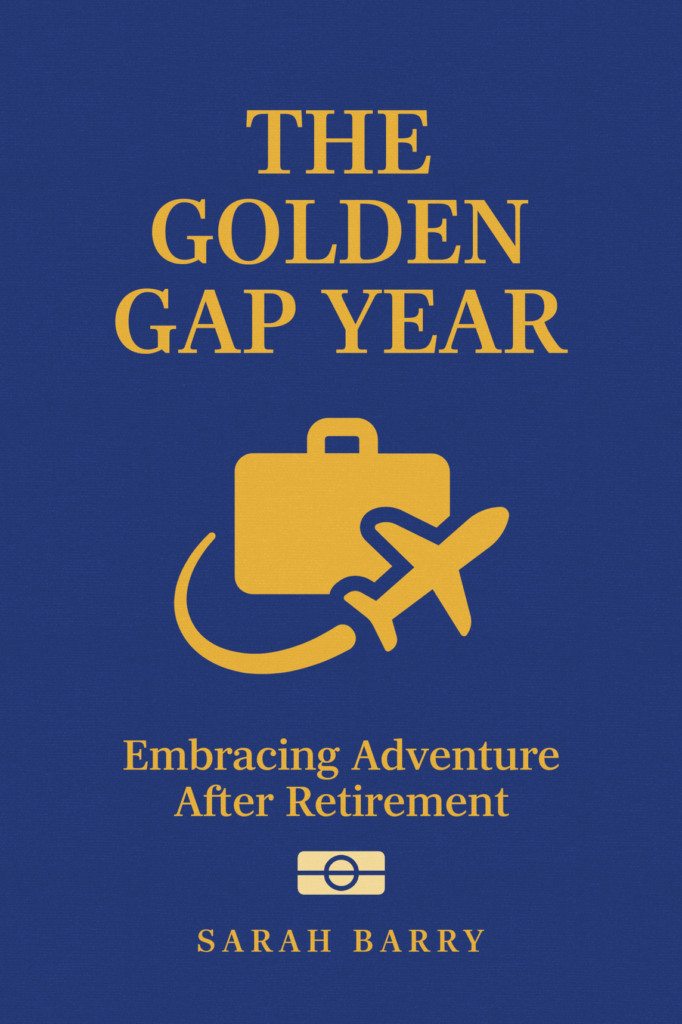
📘 The Golden Gap Year – A thoughtful approach to retirement as a transition to explore, not a single decision to make.
Retirement
Re-defined
9 Habits of Happy Retirees helps you shape a lifestyle that goes beyond financial security—focusing on the everyday habits that support meaning and balance.
The Essential Workbook
Designed to complement the book, this workbook helps turn reflection into action—supporting your mental, emotional, and social wellbeing in retirement.
Adventure
Re-imagined
The Golden Gap Year invites you to approach retirement with curiosity and intention—creating space for new experiences and personal growth.
You don’t need a forever plan. You need thoughtful phases.
🌐 Visit www.sarahbarry.com or email hello@sarahbarry.com to explore coaching and resources for your next chapter.
