
Why Achievement Stops Working (And What Replaces It?)
Many people assume they’ll be good at retirement because they’ve been successful throughout their careers. After all, they’ve spent decades solving problems, setting goals, managing responsibilities, and achieving results. They’ve built businesses, led teams, raised families, and navigated challenges that required determination, resilience, and discipline. If success has largely come from applying effort, setting objectives, and working towards meaningful outcomes, it seems reasonable to assume those same skills will serve them well in retirement.
Yet retirement has a way of surprising even the most accomplished people.
The habits and mindsets that helped create a successful career do not always translate into a fulfilling retirement. This is not because achievement is inherently problematic. In fact, achievement is often one of the reasons people are able to retire with choices and opportunities. The challenge is that retirement asks different questions from those posed by a career. The things that once provided direction, motivation, and a sense of accomplishment no longer operate in quite the same way.
The Power of Achievement
Most careers are built around achievement. There are goals to reach, problems to solve, projects to complete, and milestones to work towards. Progress is visible and success can usually be measured in some way, whether through performance reviews, promotions, financial rewards, recognition, or personal satisfaction.
This creates a powerful sense of direction. You know what is expected of you and where your energy should be focused. Even during difficult periods, there is often a clear sense of purpose because your efforts are connected to specific outcomes. Over time, achievement becomes more than a professional framework. It becomes a way of approaching life.
Many high achievers develop an almost instinctive response to uncertainty. If something feels unclear, they create a plan. If something feels difficult, they work harder. If they want progress, they establish goals and pursue them. These habits are highly effective in environments where success is linked to performance and results.
The difficulty is that retirement changes the environment.
When the Scoreboard Disappears
One of the biggest adjustments in retirement is the disappearance of external measures of success. There are no annual reviews, no quarterly targets, and no obvious promotion waiting at the end of sustained effort. For the first time in decades, there may be no external system telling you whether you are doing well.
Many people underestimate how significant this shift can be. During a career, feedback is constant. Sometimes it is formal and sometimes it is subtle, but it is there. Retirement removes much of that feedback overnight.
Without realizing it, many retirees begin searching for a replacement scoreboard. They fill their calendars with projects, take on new responsibilities, create ambitious travel plans, or turn hobbies into goals that can be measured and achieved. At first this feels productive and positive. Yet over time, some begin to notice that the satisfaction feels different.
The issue is not that these activities lack value. The issue is that they are often trying to solve a deeper question. Achievement can provide structure and momentum, but it cannot always provide meaning.
Why More Achievement Isn’t Always the Answer
When retirement feels uncomfortable, it is natural to reach for familiar solutions. Achievement has worked before, so why wouldn’t it work again?
The problem is that many of the questions that emerge in retirement cannot be answered through productivity alone. Questions such as “Who am I now that work no longer defines me?” or “What gives my life meaning?” are not project-management challenges. They cannot be solved with a better plan or a more ambitious goal.
This is where many successful people encounter an unexpected tension. They continue doing, organizing, planning, and achieving, yet still feel something is missing. They may be busier than ever, but not necessarily more fulfilled.
What they are experiencing is often a shift from external achievement towards something more internal. The challenge is no longer about proving capability. It is about creating a life that feels worthwhile, engaging, and aligned with personal values.
The Shift From Achievement to Meaning
Retirement does not require abandoning ambition or becoming passive. It simply requires expanding the definition of success.
During our working years, success is often measured by outcomes. We focus on what we produce, what we accomplish, and what we achieve. These measures make sense in a professional environment because organizations depend on results.
Retirement offers the opportunity to think more broadly. Success may now be reflected in the quality of your relationships, the experiences you have, the contribution you make, or the interests you pursue. It may involve learning something new, investing time in family, supporting others, or simply having the freedom to spend your days in ways that feel meaningful.
This is a subtle but important shift. Achievement asks, “What did I accomplish?” Meaning asks, “How did I spend my life today?” Both questions matter, but they lead to different answers.
Many retirees discover that fulfilment comes not from eliminating achievement, but from placing it alongside other equally important sources of wellbeing.
What Replaces Achievement?
For many people, curiosity becomes one of those sources. Learning something because it interests you feels very different from learning something because it advances your career. The motivation is no longer external. It comes from genuine interest and engagement.
Contribution often becomes important too. Not contribution driven by obligation or recognition, but contribution chosen because it feels worthwhile. This may involve mentoring, volunteering, supporting family members, or sharing knowledge and experience in ways that create value for others.
Relationships also tend to move closer to the center of life. Many retirees discover that connection, friendship, and community have a greater influence on happiness than any completed task or achieved milestone.
Growth remains important, but growth may no longer be measured by promotions, titles, or financial success. Instead, it may be measured by personal development, new experiences, deeper self-awareness, and the willingness to continue learning and evolving.
Perhaps most importantly, retirement creates space for enjoyment. Not enjoyment that must be earned through achievement, but enjoyment that exists because life is about more than accomplishment.
Final Thoughts
Achievement is not the enemy. It is often one of the reasons people arrive at retirement with opportunities, options, and a sense of pride in what they have accomplished. The discipline, commitment, and determination that served you throughout your career remain valuable qualities.
Retirement simply invites you to broaden the conversation. It encourages you to build a life that is not measured solely by goals, outcomes, and accomplishments, but also by meaning, connection, curiosity, and experience.
Because at some point, the most important question is no longer, “What am I trying to achieve?”
It becomes, “How do I want to live?”
Continue Exploring
If you’re exploring what this next chapter could look like and want practical ways to create direction, structure, and meaning, you’ll find further guidance in my books 9 Habits of Happy Retirees and The Golden Gap Year, along with additional resources at SarahBarry.com.
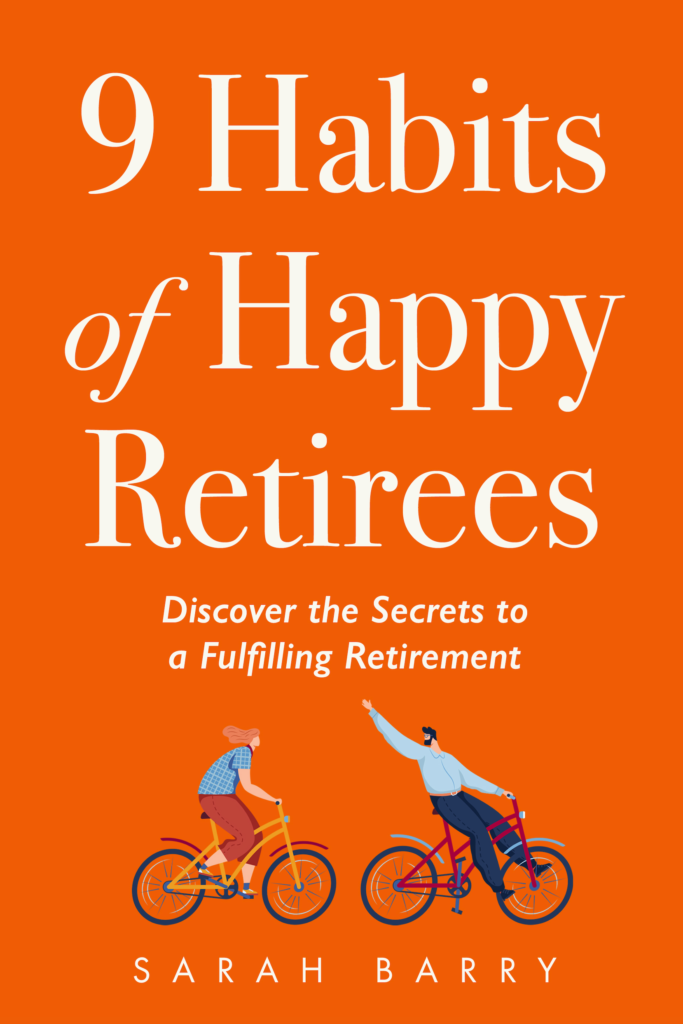
📙 9 Habits of Happy Retirees – Practical strategies for creating a fulfilling retirement beyond financial planning.
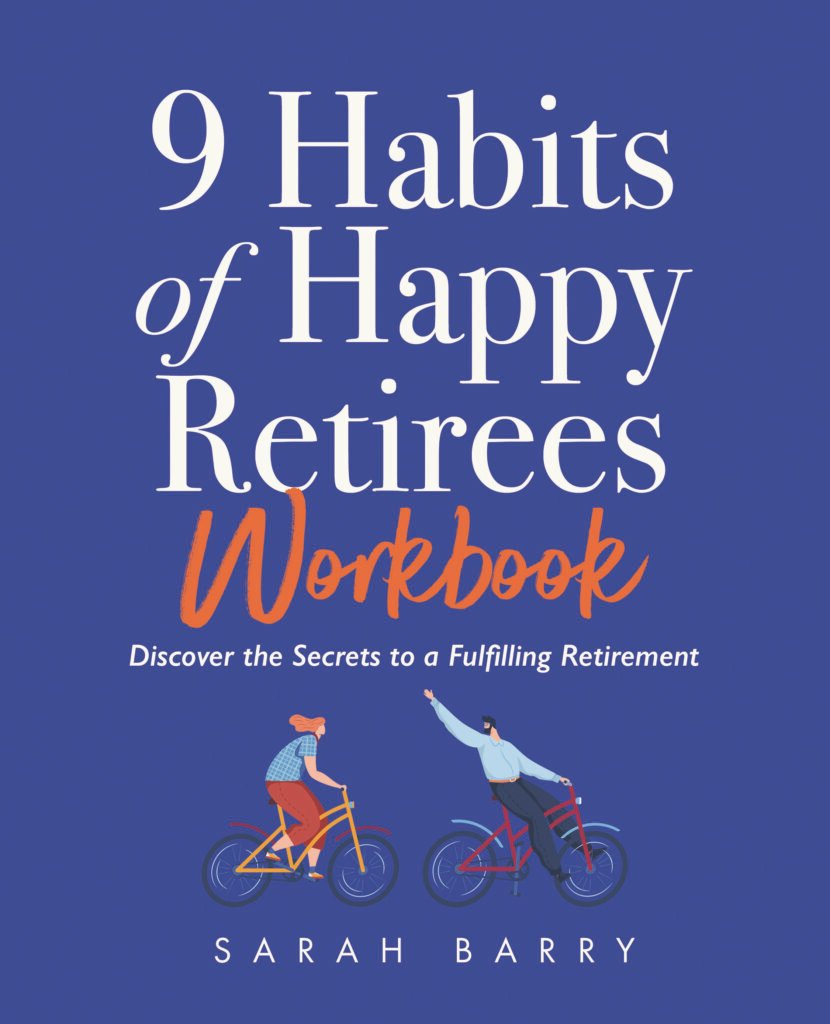
📘 The 9 Habits Workbook – Reflection exercises and planning tools to help you turn ideas into action.
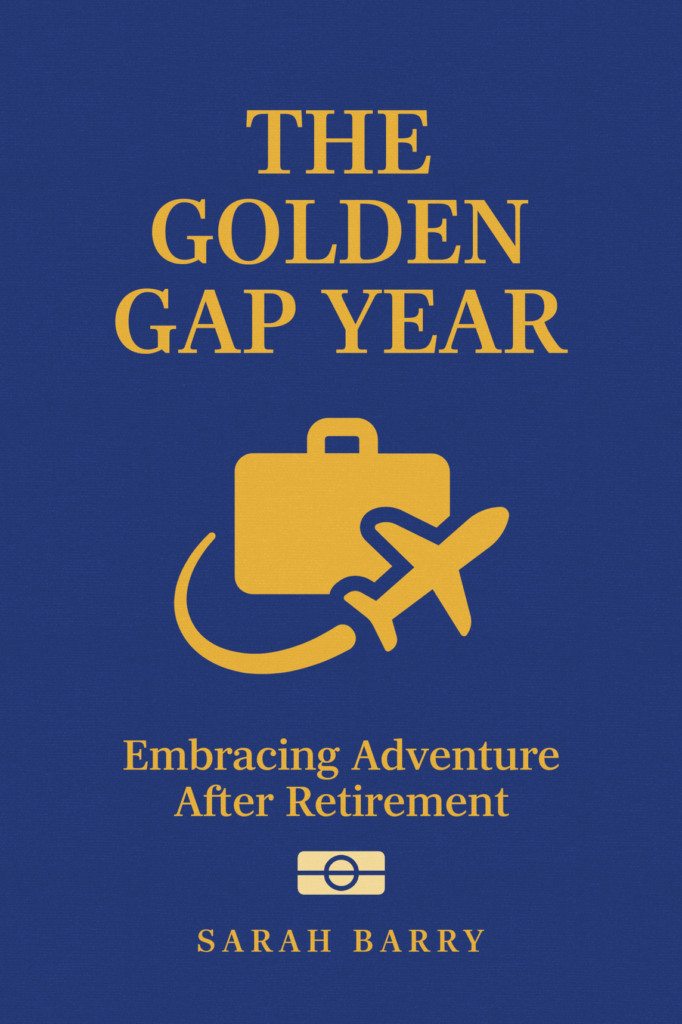
📘 The Golden Gap Year – A fresh approach to retirement as a period of exploration, experimentation, and discovery.
Retirement
Re-defined
9 Habits of Happy Retirees helps you shape a lifestyle that goes beyond financial security—focusing on the everyday habits that support meaning and balance.
The Essential Workbook
Designed to complement the book, this workbook helps turn reflection into action—supporting your mental, emotional, and social wellbeing in retirement.
Adventure
Re-imagined
The Golden Gap Year invites you to approach retirement with curiosity and intention—creating space for new experiences and personal growth.
You don’t need a forever plan. You need thoughtful phases.
🌐 Visit www.sarahbarry.com or email hello@sarahbarry.com to explore coaching and resources for your next chapter.
