

The Retirement Honeymoon Doesn’t Last Forever
For many people, retirement begins with relief.
The alarm clock is no longer necessary. Sunday evenings lose their sense of dread. There is no overflowing inbox waiting on Monday morning and no commute shaping the day. After years, sometimes decades, of schedules, responsibilities, and obligations, there is finally freedom.
This period is often one of the most enjoyable parts of retirement. Travel plans become reality. Long-postponed projects are tackled. Family and friends receive more attention. Time feels abundant in a way it hasn’t for years. Many retirees describe these early months as feeling almost like an extended holiday.
The experience can be exhilarating, particularly for those leaving demanding careers. Retirement feels like a reward for years of effort. It offers space to breathe, recover, and enjoy life without constantly looking at the clock.
The problem is not that this feeling fades.
The problem is that few people expect it to.
At some point, the trips have been taken, the garden has been redesigned, the spare room has been organised, and life begins to settle into a new rhythm. Retirement no longer feels new. It simply feels normal.
This is often the moment when retirees encounter an unexpected sense of restlessness.
Not because retirement is failing.
But because the honeymoon phase is ending.
When Freedom Becomes Familiar
One of the reasons the early months of retirement feel so satisfying is that they are defined by contrast. Everything is different from before. The freedom feels noticeable because it replaces a structure that may have shaped life for decades.
Human beings adapt remarkably quickly, however. What initially feels exciting eventually becomes familiar. The freedom that once felt extraordinary becomes part of everyday life.
This is true of almost every major life change.
A new house eventually becomes home. A long-awaited promotion becomes a job. A dream holiday becomes a memory. Experiences that once felt special gradually become normal.
Retirement follows the same pattern.
Yet many people interpret this shift as a problem. They assume that because retirement no longer feels exciting every day, something must be missing. The reality is often much simpler. The novelty has faded, creating space for deeper questions to emerge.
What do I want this stage of life to be about?
What gives my days meaning?
How do I want to spend my time now that nobody is deciding for me?
These are not practical questions. They are identity questions.
And they rarely appear during the honeymoon.
The Difference Between Leaving Work and Building a Life
Much of retirement planning focuses on leaving work.
People think about finances, pensions, healthcare, housing, and timing. These considerations are important, but they are only part of the story.
Very little attention is given to what happens after the initial excitement wears off.
Leaving work is an event.
Building a life is a process.
The two are connected, but they are not the same thing.
The honeymoon phase is largely about freedom from. Freedom from deadlines, pressure, schedules, meetings, and obligations.
Eventually, retirement becomes about freedom to.
Freedom to choose.
Freedom to create.
Freedom to decide what matters.
This sounds straightforward, but many retirees discover it is more challenging than expected. Work may have occupied thousands of hours each year, but it also provided structure, purpose, relationships, achievement, and identity. Once those things are no longer supplied automatically, they must be considered more intentionally.
This is often where the real work of retirement begins.
Why This Stage Matters
The end of the honeymoon phase is sometimes viewed as disappointing, but it may actually be one of the most important stages of the retirement journey.
It marks the point where retirement stops being an escape from work and starts becoming a life in its own right.
Many of the most meaningful developments happen after this transition. People discover new interests, deepen relationships, contribute in different ways, or begin exploring aspects of themselves that had little room to grow during their working years.
These discoveries rarely happen through careful planning alone. More often, they emerge through curiosity, experimentation, and a willingness to accept that not everything needs to be figured out immediately.
The retirees who seem most comfortable with this stage are often those who stop expecting retirement to feel like a permanent holiday. Instead, they begin treating it as a new chapter of life, complete with its own opportunities, challenges, and possibilities.
The goal shifts from maintaining excitement to creating meaning.
That is a very different task.
Final Thoughts
The retirement honeymoon is real, and there is nothing wrong with enjoying it while it lasts.
The relief, freedom, and excitement are part of the transition. They provide a welcome opportunity to rest and recover after years of work and responsibility.
But retirement was never meant to be a permanent holiday.
At some point, the novelty fades and ordinary life returns. Far from being a problem, this is often the moment when retirement becomes something richer and more interesting.
It is the point where the focus shifts from escaping the life you had to creating the life you want.
And that may be where the most rewarding part of the journey begins.
Continue Exploring
If you’re exploring what this next chapter could look like and want practical ways to create direction, structure, and meaning, you’ll find further guidance in my books 9 Habits of Happy Retirees and The Golden Gap Year, along with additional resources at SarahBarry.com.
📙 9 Habits of Happy Retirees – Practical strategies for creating a fulfilling retirement beyond financial planning.
📘 The 9 Habits Workbook – Reflection exercises and planning tools to help you turn ideas into action.
📘 The Golden Gap Year – A fresh approach to retirement as a period of exploration, experimentation, and discovery.
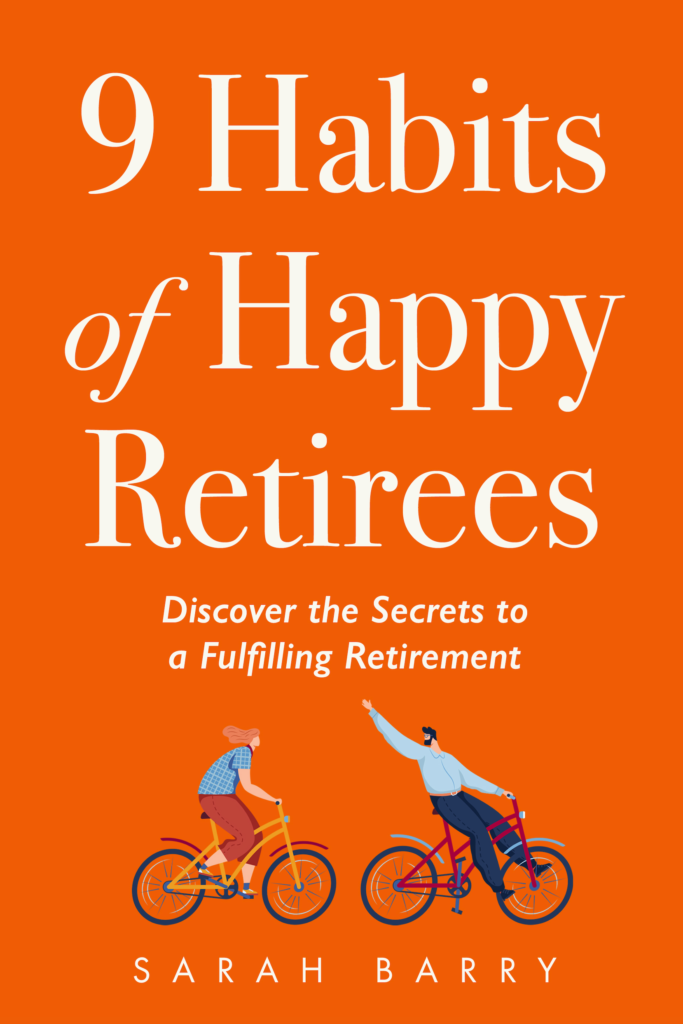
Retirement
Re-defined
9 Habits of Happy Retirees helps you shape a lifestyle that goes beyond financial security—focusing on the everyday habits that support meaning and balance.
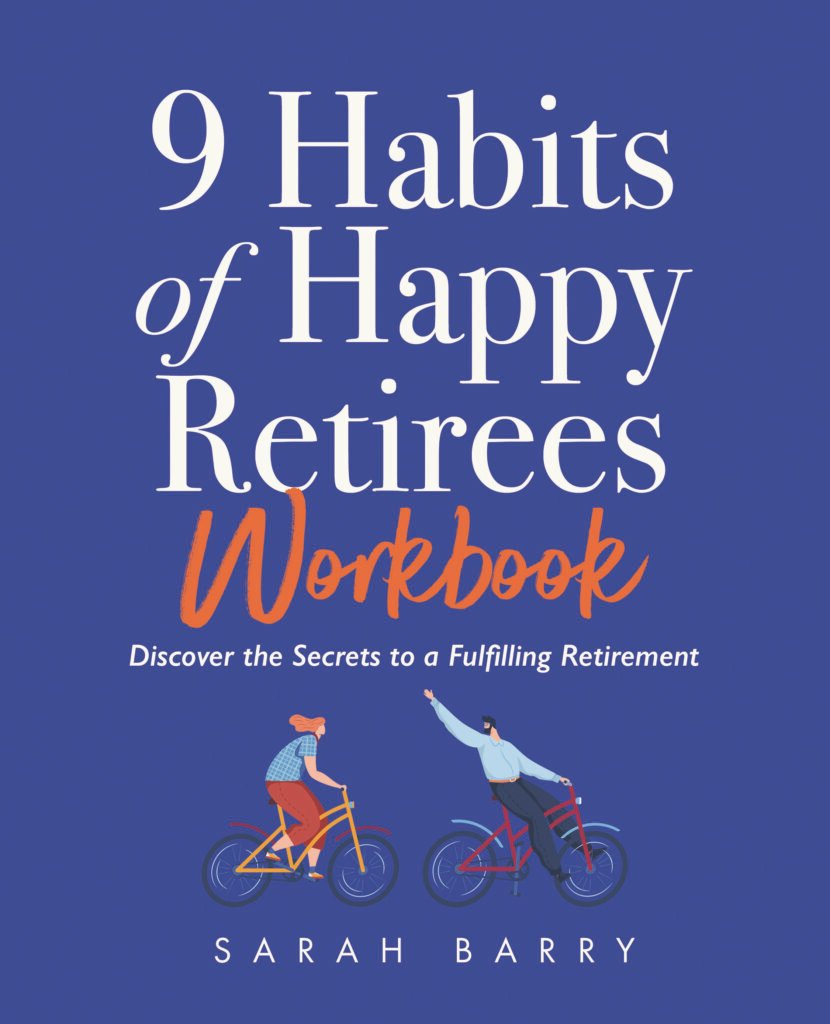
The Essential Workbook
Designed to complement the book, this workbook helps turn reflection into action—supporting your mental, emotional, and social wellbeing in retirement.
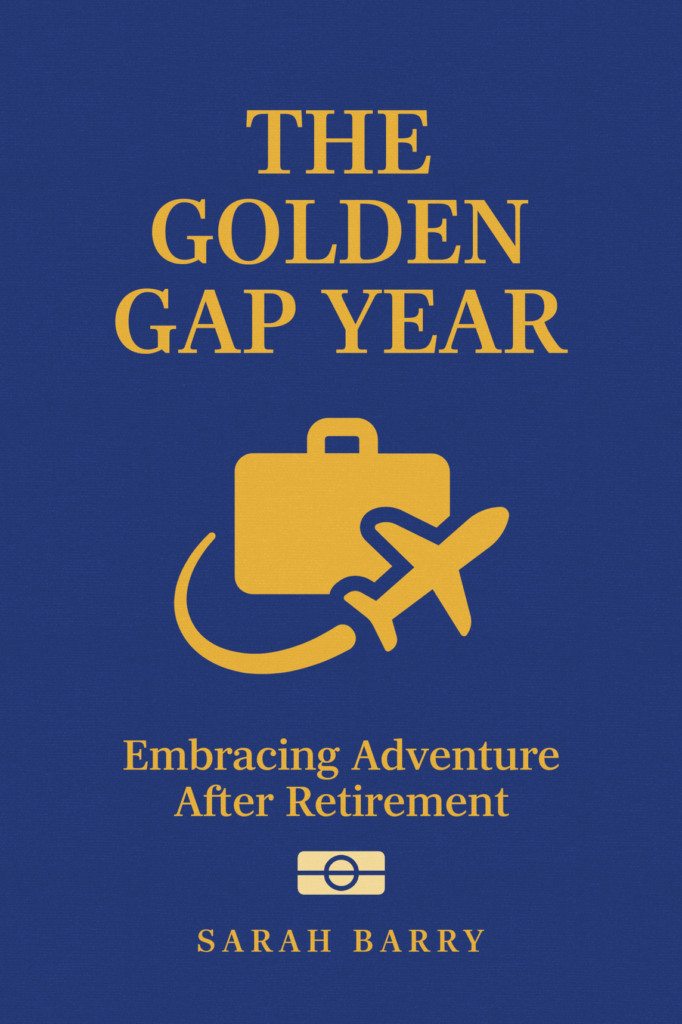
Adventure
Re-imagined
The Golden Gap Year invites you to approach retirement with curiosity and intention—creating space for new experiences and personal growth.
You don’t need a forever plan. You need thoughtful phases.
🌐 Visit www.sarahbarry.com or email hello@sarahbarry.com to explore coaching and resources for your next chapter.