
The Confidence Gap Nobody Talks About in Retirement
One of the more surprising aspects of retirement is how quickly confidence can begin to feel different.
This is not the dramatic loss of confidence that follows a major setback or failure. It is usually much quieter than that. In fact, many retirees struggle to identify exactly what has changed. On paper, life may be going well. Financial plans are in place. Health is reasonably good. There is freedom, flexibility, and time to enjoy things that were once squeezed around work.
And yet there can be a lingering sense of uncertainty.
People who once made important decisions every day find themselves second-guessing simple choices. Individuals who spent decades leading teams, solving problems, and navigating complexity suddenly feel less sure of themselves. Some become hesitant to try new things. Others avoid situations where they might feel inexperienced or out of place.
The assumption is often that confidence has somehow disappeared.
More often, what has disappeared is the environment that helped create it.
The Confidence We Borrow From Familiarity
Much of the confidence people experience during their careers comes from familiarity.
After years in the same profession, industry, or organisation, most people become highly competent. They understand how things work. They know the language, the expectations, the unwritten rules, and the likely outcomes of their decisions. Experience creates a sense of certainty, and certainty often feels like confidence.
This is one reason many people feel at their most capable during the later stages of their careers. They have accumulated decades of knowledge and experience. Challenges still arise, but they are usually variations of challenges they have faced before.
Retirement changes the landscape.
The familiar environment disappears, taking many of those confidence cues with it. Suddenly people find themselves navigating situations where there is no established expertise to rely on. Questions about identity, purpose, relationships, ageing, and how to spend time do not have straightforward answers. There are no performance reviews, no annual objectives, and no clear benchmarks for success.
The result can feel unsettling.
Not because people have become less capable, but because they are operating in unfamiliar territory.
When Capability and Confidence Part Ways
One of the mistakes people make during this stage is assuming that confidence and capability are the same thing.
They are not.
Capability is what you know. It is the experience, knowledge, judgement, and resilience you have developed over a lifetime. Confidence is often your willingness to trust those abilities in a particular situation.
Retirement has a way of separating the two.
A person may be just as capable as they were the day before they retired, yet feel significantly less confident because the context has changed. The skills that once provided reassurance are no longer being used in the same way. The evidence that reinforced self-belief becomes less visible.
This can create a strange contradiction. Someone who successfully managed complex projects, led large teams, or navigated major life challenges may suddenly doubt their ability to shape this next chapter of life.
The issue is rarely a lack of capability.
More often, it is a lack of recent evidence.
The Discomfort of Being a Beginner Again
Retirement places many people back into situations they have not experienced for years.
They become beginners.
Not in everything, but in enough areas to feel uncomfortable.
They may be learning how to build a social life outside work, explore new interests, create structure without employment, or answer questions about who they are beyond their professional identity. These experiences require experimentation, and experimentation inevitably involves uncertainty.
For people who are accustomed to competence, this can be frustrating.
Most careers reward expertise. Retirement often rewards curiosity.
The shift sounds simple, but it requires a different mindset. It involves accepting that not knowing is part of the process. It means allowing yourself to try things that may not work, pursue interests that may not become passions, and make decisions without the certainty that experience once provided.
In many ways, retirement asks people to become learners again.
That can feel uncomfortable, but it can also be deeply liberating.
Rebuilding Confidence Differently
The confidence that emerges in retirement is often different from the confidence that existed during a career.
Professional confidence is frequently built on expertise. Retirement confidence is built on adaptability.
It comes from discovering that you can still learn new things. That you can build relationships in unfamiliar environments. That you can navigate uncertainty without having every answer. That you can create a meaningful life without following a prescribed path.
Unlike workplace confidence, which is often reinforced by external recognition, retirement confidence tends to develop more quietly. It grows through small experiences. A new friendship. A new interest. A challenge overcome. A decision made independently. A situation that felt daunting but turned out to be manageable.
Over time, these experiences create a new form of evidence.
Not evidence that you are good at your job.
Evidence that you are still capable of growth.
Final Thoughts
Many retirees interpret uncertainty as a loss of confidence.
More often, it is simply the experience of standing in unfamiliar territory.
The capabilities developed over a lifetime do not disappear when work ends. The judgement, resilience, problem-solving ability, and adaptability that carried you through previous chapters remain very much intact. What changes is the environment in which those qualities are expressed.
Confidence in retirement rarely comes from having everything figured out.
It comes from trusting your ability to figure things out as you go.
Because the real challenge of retirement is not proving that you are capable.
It is remembering that you always were.
Continue Exploring
If you’re exploring what this next chapter could look like and want practical ways to create direction, structure, and meaning, you’ll find further guidance in my books 9 Habits of Happy Retirees and The Golden Gap Year, along with additional resources at SarahBarry.com.
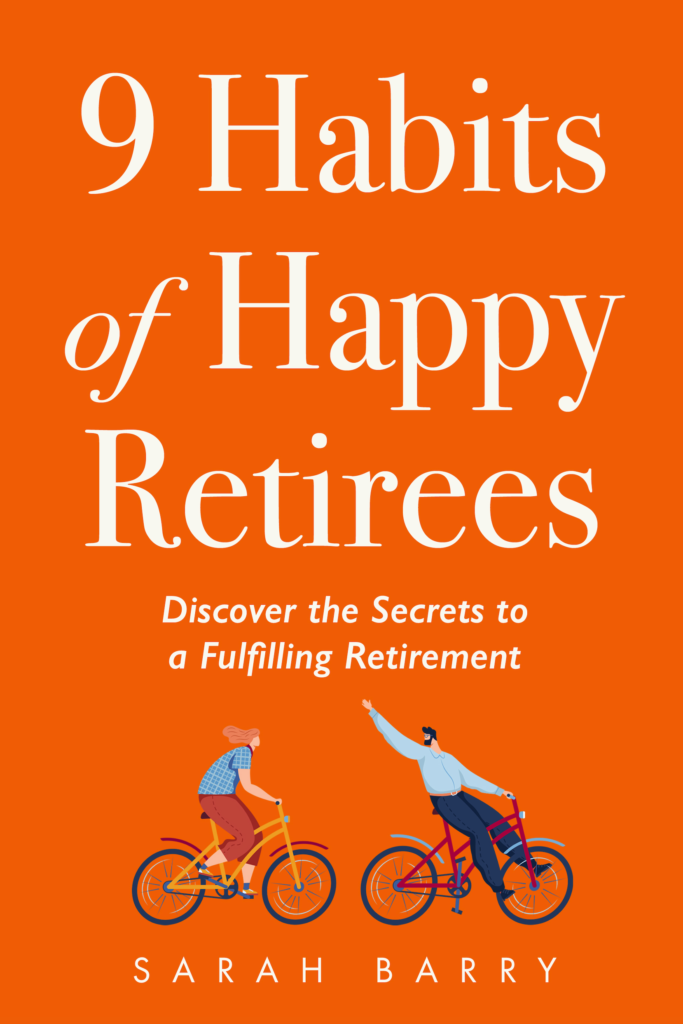
📙 9 Habits of Happy Retirees – Practical strategies for creating a fulfilling retirement beyond financial planning.
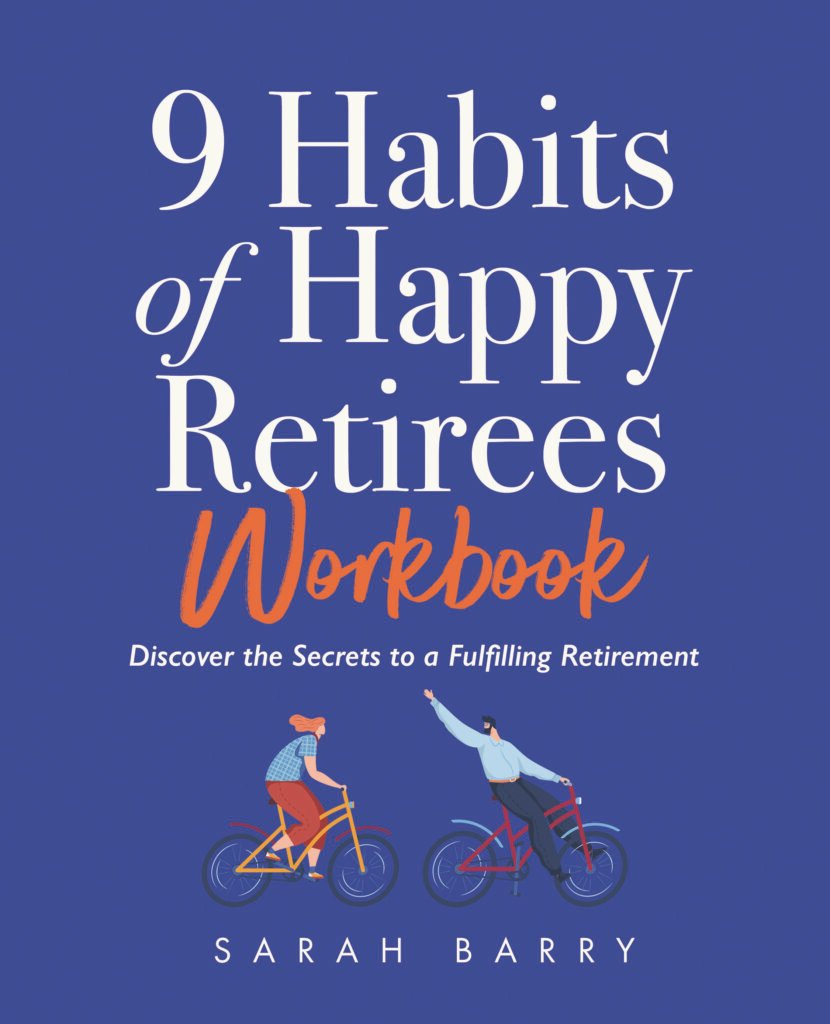
📘 The 9 Habits Workbook – Reflection exercises and planning tools to help you turn ideas into action.
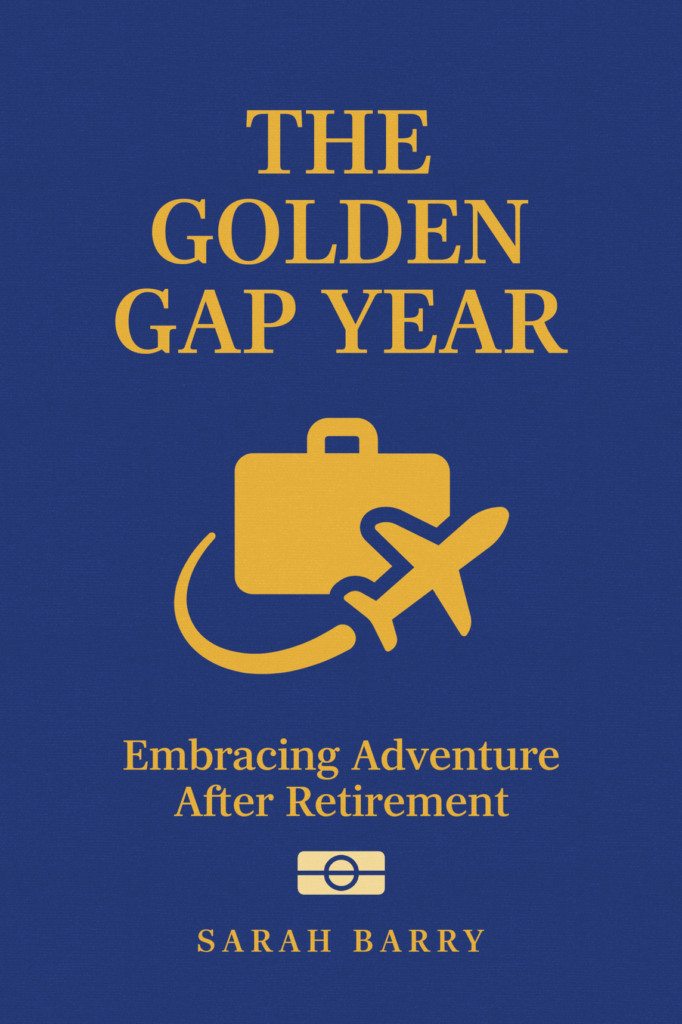
📘 The Golden Gap Year – A fresh approach to retirement as a period of exploration, experimentation, and discovery.
Retirement
Re-defined
9 Habits of Happy Retirees helps you shape a lifestyle that goes beyond financial security—focusing on the everyday habits that support meaning and balance.
The Essential Workbook
Designed to complement the book, this workbook helps turn reflection into action—supporting your mental, emotional, and social wellbeing in retirement.
Adventure
Re-imagined
The Golden Gap Year invites you to approach retirement with curiosity and intention—creating space for new experiences and personal growth.
You don’t need a forever plan. You need thoughtful phases.
🌐 Visit www.sarahbarry.com or email hello@sarahbarry.com to explore coaching and resources for your next chapter.