

The Trouble with the Bucket List
Few ideas have become as closely associated with retirement as the bucket list.
For years, people dream about the places they will finally visit, the experiences they will no longer have to postpone, and the adventures that work always seemed to get in the way of. Retirement promises the freedom to turn those dreams into reality. It is easy to understand the appeal. After decades of deadlines and responsibilities, the chance to explore the world or tackle long-held ambitions feels richly deserved.
There is nothing wrong with having a bucket list.
The trouble begins when the list quietly becomes another measure of a successful life.
Some retirees speak about their plans with the same determination they once reserved for career goals. Countries are counted, experiences are ticked off, and calendars become filled with one remarkable event after another. Before long, retirement can begin to resemble another project to manage rather than a stage of life to enjoy.
The irony is difficult to miss.
After spending years escaping the pressure of achievement, we can end up recreating it in our leisure.
When Experiences Become Accomplishments
Many bucket lists begin in exactly the right place.
They reflect genuine curiosity, long-held dreams, and places that have captured our imagination for years. The problem is not the experiences themselves. It is the mindset that can quietly develop around them.
Without realising it, we begin to treat experiences as achievements.
Climb the mountain.
Visit the landmark.
Take the cruise.
Complete the list.
There is a subtle satisfaction in crossing another item off, but it is often surprisingly short-lived. Almost as soon as one experience has been completed, attention shifts to the next. The rhythm feels familiar because it mirrors the working life many retirees have just left behind.
Achievement has simply found a new home.
The bucket list, which began as a source of freedom, can become another timetable.
The Quiet Anxiety of Running Out of Time
There is another reason bucket lists can become surprisingly demanding.
They remind us that time is finite.
Most people do not write bucket lists in their twenties. They appear later in life, often at precisely the stage when we become more aware that there are fewer years ahead than behind. The list can therefore carry an unspoken urgency. It is no longer simply about what we would like to experience.
It becomes about what we must experience before it is too late.
That urgency can change the way retirement feels.
Instead of slowing down, people speed up. Instead of enjoying where they are, they worry about what still hasn’t been done. Travel becomes less about discovery and more about completion. Leisure begins to resemble a race against an invisible clock.
Ironically, the pursuit of extraordinary experiences can sometimes prevent us from fully appreciating the ordinary ones.
The Life That Never Makes the List
When people imagine a fulfilling retirement, they often picture exceptional moments.
Watching the Northern Lights.
Walking the Great Wall of China.
Taking an African safari.
Sailing through the Greek Islands.
These experiences are memorable, and for many people they become treasured highlights.
Yet if you ask retirees to describe the moments they return to most often, the answers are not always the spectacular ones.
They remember the slow breakfast overlooking a quiet harbour.
The unexpected conversation with a stranger.
The evening spent laughing with old friends.
The familiar walking route that changes with each season.
The mornings that unfold without rushing.
These moments rarely appear on bucket lists because they cannot be planned or completed.
They emerge from the rhythm of everyday life.
In many ways, they become the fabric of retirement itself.
Beyond the Next Tick
Perhaps the greatest gift retirement offers is not the chance to collect more experiences.
It is the opportunity to experience life differently.
The pressure to make every year unforgettable can distract us from something equally valuable: the quiet pleasure of repetition.
Returning to the same café where people know your name.
Walking the same beach and noticing something new every time.
Learning a skill simply because the process is enjoyable.
Having enough time to linger over conversations that would once have been cut short by work.
These experiences are not dramatic.
They will never impress anyone at a dinner party.
Yet they often create the deepest sense of contentment because they ask nothing of us except our presence.
Retirement does not need to be extraordinary every day.
It simply needs to feel like a life you are glad to wake up to.
Final Thoughts
A bucket list can be a wonderful source of inspiration.
It can encourage adventure, curiosity, and experiences that might otherwise remain dreams.
But it should never become another set of expectations that leaves you feeling behind.
Retirement is not measured by how many boxes you tick or how many places you visit.
It is measured by the quality of the life you create between those moments.
Some of the best days will never appear on a list.
They will arrive unexpectedly, quietly, and without fanfare.
And years later, those may be the days you remember most.
Continue Exploring
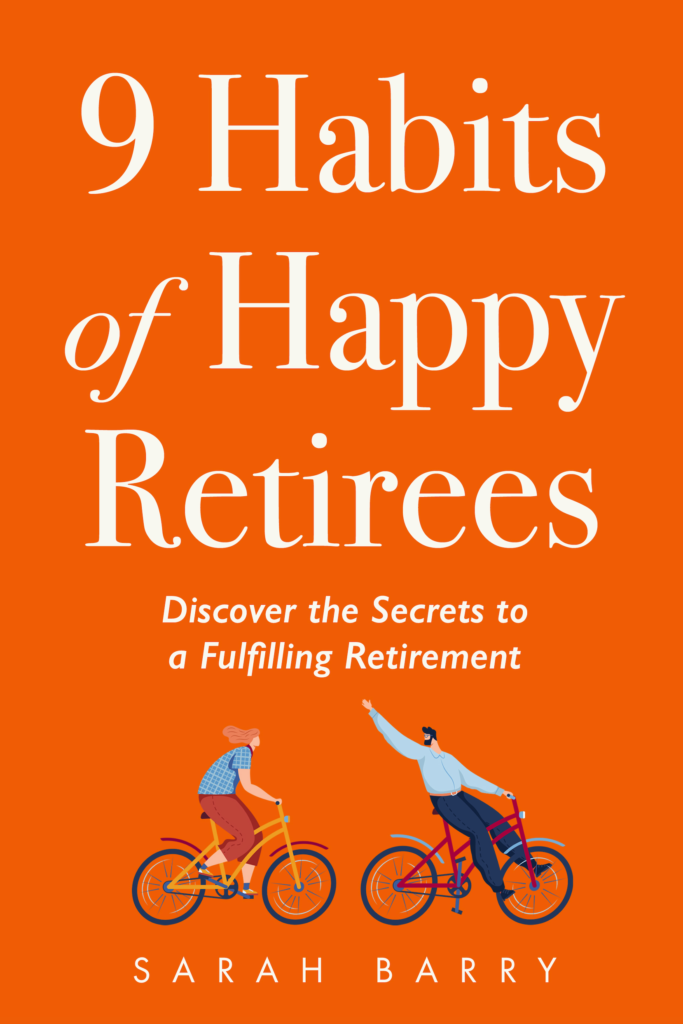
If you’re exploring what this next chapter could look like and want practical ways to create direction, structure, and meaning, you’ll find further guidance in my books 9 Habits of Happy Retirees and The Golden Gap Year, along with additional resources at SarahBarry.com.
📙 9 Habits of Happy Retirees – Practical strategies for creating a fulfilling retirement beyond financial planning.
📘 The 9 Habits Workbook – Reflection exercises and planning tools to help you turn ideas into action.
Retirement
Re-defined
9 Habits of Happy Retirees helps you shape a lifestyle that goes beyond financial security—focusing on the everyday habits that support meaning and balance.
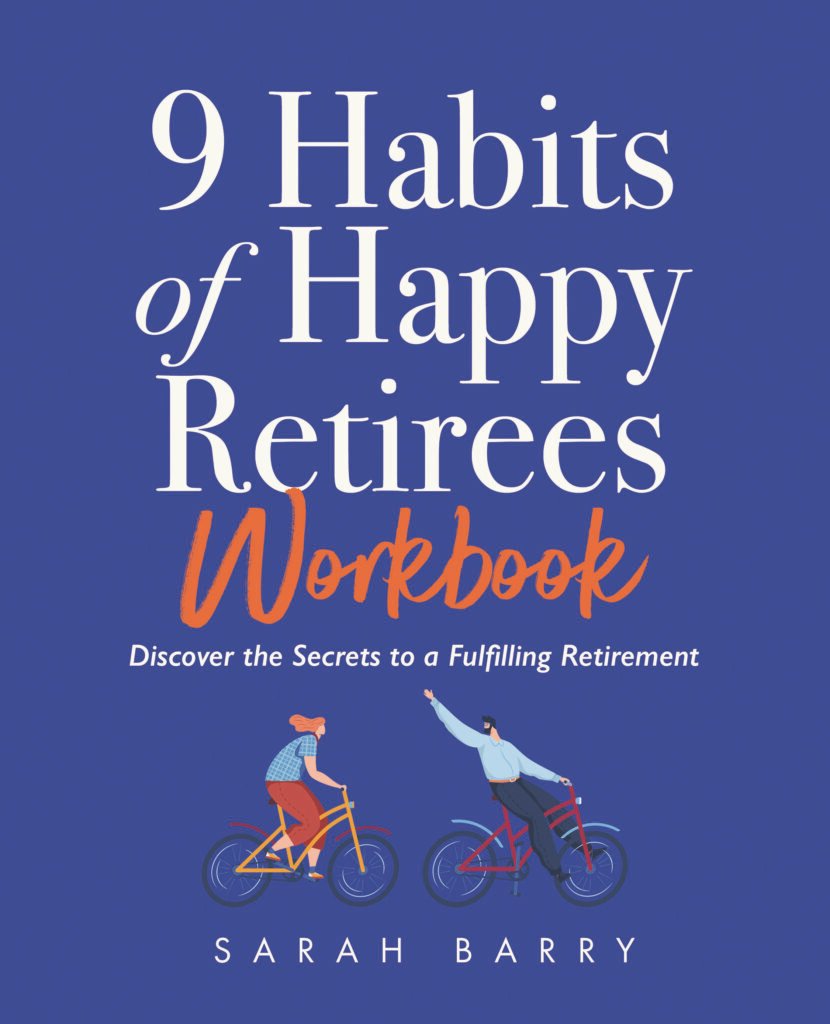
The Essential Workbook
Designed to complement the book, this workbook helps turn reflection into action—supporting your mental, emotional, and social wellbeing in retirement.
You don’t need a forever plan. You need thoughtful phases.
🌐 Visit www.sarahbarry.com or email hello@sarahbarry.com to explore coaching and resources for your next chapter.
