

When Retirement Doesn’t Look Like Rest: The Caregiving Season
Retirement has a powerful image problem.
Ask people what they picture, and the answers are remarkably similar. There is more travel, more time with family, leisurely mornings, hobbies that were postponed for years, and the freedom to decide what each day will hold. It is a vision built around possibility, one that has shaped countless retirement advertisements and conversations for decades.
For many people, however, retirement looks nothing like that.
Instead of boarding planes, they find themselves driving to hospital appointments. Instead of discovering new hobbies, they are organising medication, managing paperwork, attending medical consultations, or checking in on ageing parents. The freedom they imagined is replaced by a different kind of responsibility, one that arrives quietly and often without warning.
This is one of the least discussed realities of modern retirement.
Just as many people finally reach the stage of life where they expect time to become their own, someone they love begins to need more of it.
The Retirement No One Planned For
Caregiving rarely arrives all at once.
More often, it begins with small requests that seem entirely manageable. A lift to an appointment. Help with technology. Picking up groceries. Sorting out paperwork that has become confusing. Individually, none of these feels significant.
Gradually, however, the requests become more frequent.
Health changes.
Independence becomes more fragile.
The conversations shift from occasional support to ongoing responsibility.
Many retirees find themselves stepping into a role they never consciously chose. It is not simply a matter of helping out. It becomes part of the rhythm of everyday life.
The irony is difficult to ignore.
After years of imagining that retirement would finally create space for themselves, they discover that much of that space is now devoted to someone else’s needs.
That can bring mixed emotions.
There is love.
There is gratitude for being able to help.
There is also disappointment, exhaustion, frustration, and sometimes guilt for feeling either of those things.
All of those emotions can exist at the same time.
The Invisible Work
One reason caregiving is so difficult to talk about is that much of it is invisible.
There are no obvious milestones or achievements. The work often consists of hundreds of small decisions that nobody else sees. Phone calls, appointments, paperwork, medication, reassurance, and simply being available become woven into ordinary days.
Because these tasks rarely appear dramatic, caregivers often underestimate how demanding they really are.
Others do the same.
Friends may ask how retirement is going without realising that retirement has quietly become another form of full-time responsibility. Invitations are declined because someone cannot be left alone. Travel plans are postponed indefinitely. Hobbies gradually disappear from the calendar.
Life becomes smaller, not because of a lack of interest, but because someone else’s needs quite naturally take priority.
The emotional weight of this role is rarely measured by the hours involved.
It is measured by the constant awareness that another person’s wellbeing now occupies part of your attention every day.
Holding Two Truths at Once
One of the most difficult aspects of caregiving is accepting that conflicting emotions can both be true.
You can feel privileged to care for someone who once cared for you.
You can also feel deeply tired.
You can be grateful for the extra time retirement has given you.
You can also grieve the retirement you imagined.
These emotions do not cancel each other out.
Yet many caregivers judge themselves harshly for experiencing them. They believe they should feel only gratitude or only love, forgetting that caregiving is emotionally complex precisely because the relationships matter so much.
The retirement that exists in reality may bear little resemblance to the one that existed in your plans.
Recognising that difference is not selfish.
It is honest.
Remembering That Your Life Still Matters
Caregiving has a way of expanding until it fills every available space.
The person receiving care understandably becomes the priority. Over time, however, it is easy for the caregiver’s own identity to narrow. Days become organised around someone else’s schedule. Personal interests are postponed. Friendships become harder to maintain. Rest feels indulgent rather than necessary.
Yet sustaining another person over the long term requires sustaining yourself as well.
That does not always mean taking extended holidays or making dramatic changes. Often it begins with much smaller acts of self-care. A walk. A lunch with a friend. Time spent reading. Asking another family member to help. Accepting support when it is offered rather than believing you must carry everything alone.
These moments do not diminish your commitment.
They make it possible to continue offering it.
Retirement may look different from the life you imagined, but that does not mean your own needs disappear completely.
They still deserve attention.
So do you.
Final Thoughts
For many people, retirement is not the season of uninterrupted freedom they once expected.
It becomes a season of caring.
That reality deserves to be recognised rather than quietly endured.
Caregiving is real work. It requires patience, resilience, compassion, organisation, and emotional strength. Much of it happens behind closed doors, unseen by anyone except the people living it.
If your retirement has become centred on caring for someone else, it does not mean you have somehow missed out on the retirement you deserved.
It means life has unfolded differently than you expected.
One day this season will change, as every season eventually does.
Until then, remember that caring for others and caring for yourself are not competing responsibilities.
They are both part of living this chapter with kindness.
Continue Exploring
If you’re exploring what this next chapter could look like and want practical ways to create direction, structure, and meaning, you’ll find further guidance in my books 9 Habits of Happy Retirees and The Golden Gap Year, along with additional resources at SarahBarry.com.
📙 9 Habits of Happy Retirees – Practical strategies for creating a fulfilling retirement beyond financial planning.
📘 The 9 Habits Workbook – Reflection exercises and planning tools to help you turn ideas into action.
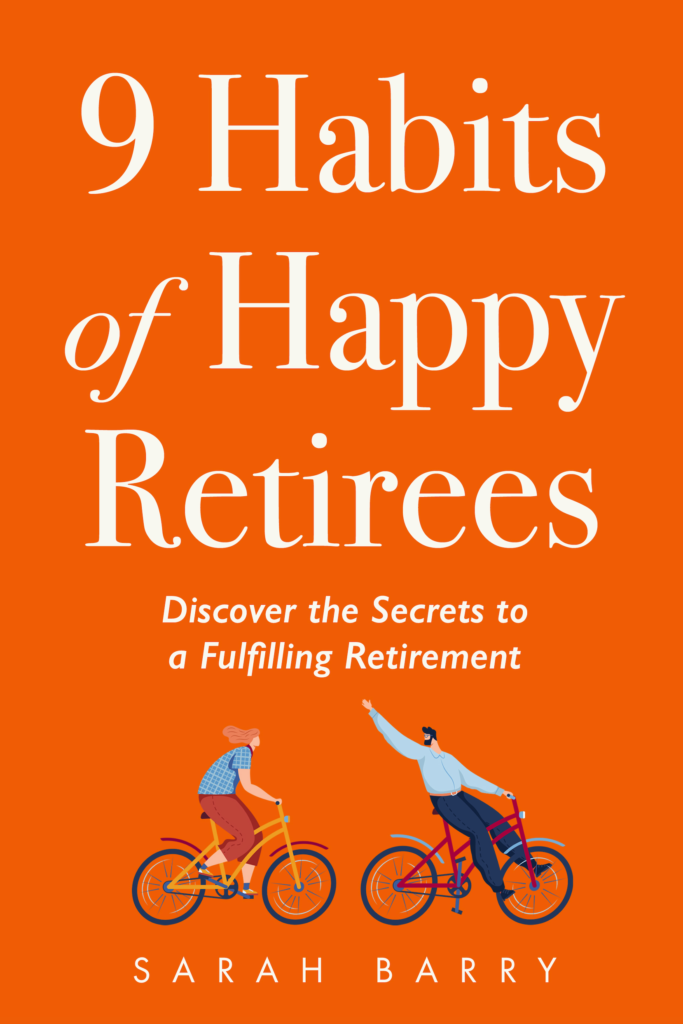
Retirement
Re-defined
9 Habits of Happy Retirees helps you shape a lifestyle that goes beyond financial security—focusing on the everyday habits that support meaning and balance.
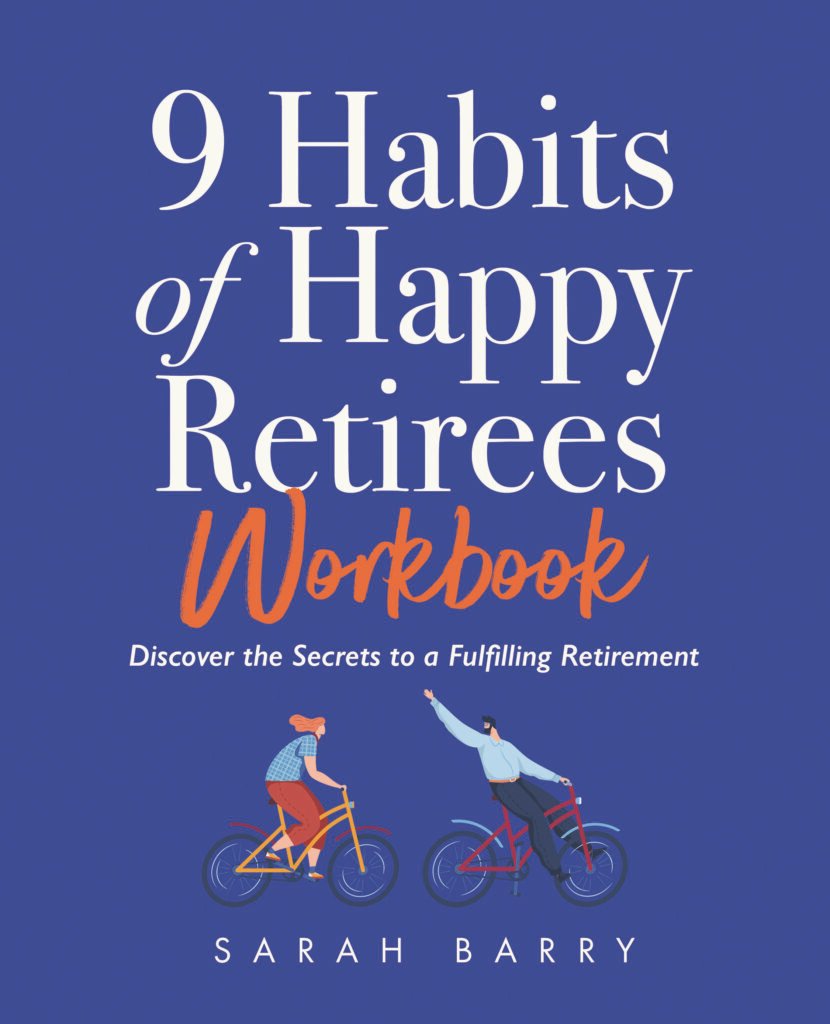
The Essential Workbook
Designed to complement the book, this workbook helps turn reflection into action—supporting your mental, emotional, and social wellbeing in retirement.
You don’t need a forever plan. You need thoughtful phases.
🌐 Visit www.sarahbarry.com or email hello@sarahbarry.com to explore coaching and resources for your next chapter.
