
The Myth of Staying Busy
One of the most common pieces of retirement advice is to “keep busy.”
Friends say it. Family members say it. Retirees who are further along the journey often say it too. On the surface, it seems like sensible advice. Staying active is associated with better health, stronger social connections, and greater wellbeing, so it feels logical to assume that a successful retirement is simply a busy one.
The problem is that staying busy and living a fulfilling life are not the same thing.
Many people discover this only after retirement, when they find themselves with a full calendar but an uncomfortable sense that something is still missing. The days are occupied, the to-do list is full, and there is rarely a shortage of things to do. Yet the satisfaction they expected doesn’t always follow.
Retirement isn’t simply about filling time.
It’s about deciding what makes that time meaningful.
Why Busyness Feels So Comfortable
For most of our adult lives, busyness is rewarded. Being busy often signals that we’re productive, useful, committed, and contributing. Full calendars become a sign of importance, while packed schedules are often worn almost as a badge of honour.
Over time, many of us become accustomed to measuring the value of a day by how much we accomplished. A productive day feels like a good day. A quiet day can feel wasted.
Retirement removes much of the structure that supported this way of thinking. Suddenly there are fewer deadlines, fewer obligations, and far more freedom over how time is spent. While this sounds appealing, it can also feel surprisingly uncomfortable.
Many retirees discover that unstructured time is harder to navigate than they expected. Without realising it, they have spent decades responding to external demands. Meetings, responsibilities, deadlines, and commitments have shaped their days for so long that deciding how to spend an entirely open Tuesday can feel strangely unsettling.
Busyness often becomes a way of recreating a familiar sense of order. The diary fills up, new commitments appear, and before long retirement can begin to resemble the life that was left behind.
When a Full Calendar Isn’t Enough
There is nothing wrong with being active. In fact, many of the things people choose to do in retirement are valuable, enjoyable, and worthwhile.
The issue arises when activity becomes the goal rather than the outcome.
Many retirees begin this stage of life with a long list of plans. There are places to visit, hobbies to pursue, projects to complete, classes to attend, and volunteer opportunities to explore. Initially this can feel exciting. After years of work commitments, finally having the freedom to choose how you spend your time can be deeply satisfying.
But eventually many people notice a distinction they hadn’t expected.
A busy day can still feel empty.
A packed week can still leave you wondering whether your time is being spent in ways that genuinely matter.
This often comes as a surprise because we tend to assume that productivity and fulfilment naturally go together. Sometimes they do. But retirement has a way of exposing the difference between being occupied and being engaged.
One fills time.
The other creates meaning.
The Fear of Empty Space
Part of the reason busyness can become so attractive is that empty space has a way of bringing deeper questions to the surface.
When the schedule clears, people often find themselves thinking about things they were too busy to consider before.
Who am I now that work no longer defines me?
What do I want this next chapter to look like?
What gives my life meaning?
What matters most now?
These questions rarely have immediate answers. They require reflection, experimentation, and a willingness to sit with uncertainty for a while.
For people who have spent much of their lives solving problems and getting things done, that can feel uncomfortable. Busyness provides a convenient escape. If every hour is accounted for, there is little time to wrestle with bigger questions.
The challenge is that avoiding those questions can also prevent us from discovering what we truly want from this stage of life.
Retirement is one of the few periods in life where there is genuine freedom to reconsider priorities. Constant busyness can sometimes get in the way of that opportunity.
The Difference Between Activity and Purpose
Activity is about what you do. Purpose is about why it matters.
The distinction may seem subtle, but it changes everything.
You can spend an entire week running errands, attending appointments, responding to requests, and completing tasks without feeling particularly fulfilled. Equally, you can spend a single afternoon mentoring someone, learning something new, creating something meaningful, or sharing time with people you care about and come away feeling deeply satisfied.
The difference is not always the activity itself.
It’s the connection between the activity and what matters to you.
Purpose gives context to how we spend our time. It helps us understand why something feels worthwhile. Without that connection, even a very busy life can begin to feel repetitive or empty.
Retirement offers an opportunity to become more intentional about this distinction. Rather than asking, “How can I stay busy?” a more useful question might be, “What activities bring meaning, enjoyment, growth, or connection into my life?”
The answer will be different for everyone, which is exactly as it should be.
Building a Life That Feels Full
A fulfilling retirement doesn’t necessarily require more activities. Often it requires more alignment between how you spend your time and what matters most to you.
The activities that create the greatest satisfaction are not always the ones that look impressive from the outside. They may be surprisingly simple. Time with family. Meaningful friendships. Learning something new. Volunteering. Creative pursuits. Time spent outdoors. Conversations that matter.
These experiences don’t always produce measurable results, but they often contribute significantly to wellbeing.
Some days will be busy. Others will be quiet. Both can have value.
In fact, many retirees discover that moments of rest, reflection, spontaneity, and unplanned enjoyment become some of the most rewarding parts of this stage of life. Without the constant pressure to optimise every hour, there is space for curiosity, connection, and experiences that don’t fit neatly onto a to-do list.
Redefining What a Good Day Looks Like
One of the biggest shifts in retirement is recognising that productivity is no longer the only measure of a successful day.
For much of our working lives, productivity makes perfect sense. Work requires outputs, results, and progress. Retirement creates space for a broader definition of success.
A good day might involve connection.
It might involve learning.
It might involve contribution.
It might involve enjoyment, reflection, or simply being fully present.
These things don’t always generate visible achievements, yet they often have a far greater impact on long-term wellbeing.
Retirement isn’t an invitation to stop growing or contributing. It’s an invitation to decide what deserves your time and attention now.
Final Thoughts
Retirement doesn’t create a time-management problem.
It creates a meaning-management problem.
The challenge isn’t finding ways to fill your days. It’s deciding what deserves a place in them.
A full calendar can be satisfying, but only if it reflects the life you genuinely want to live. Busyness for its own sake may keep you occupied, but it won’t necessarily make you fulfilled.
The goal isn’t to stay busy.
The goal is to create a life that feels rich, engaging, and aligned with what matters most to you.
Because in retirement, a life that feels full is often very different from a life that simply looks full.
Continue Exploring
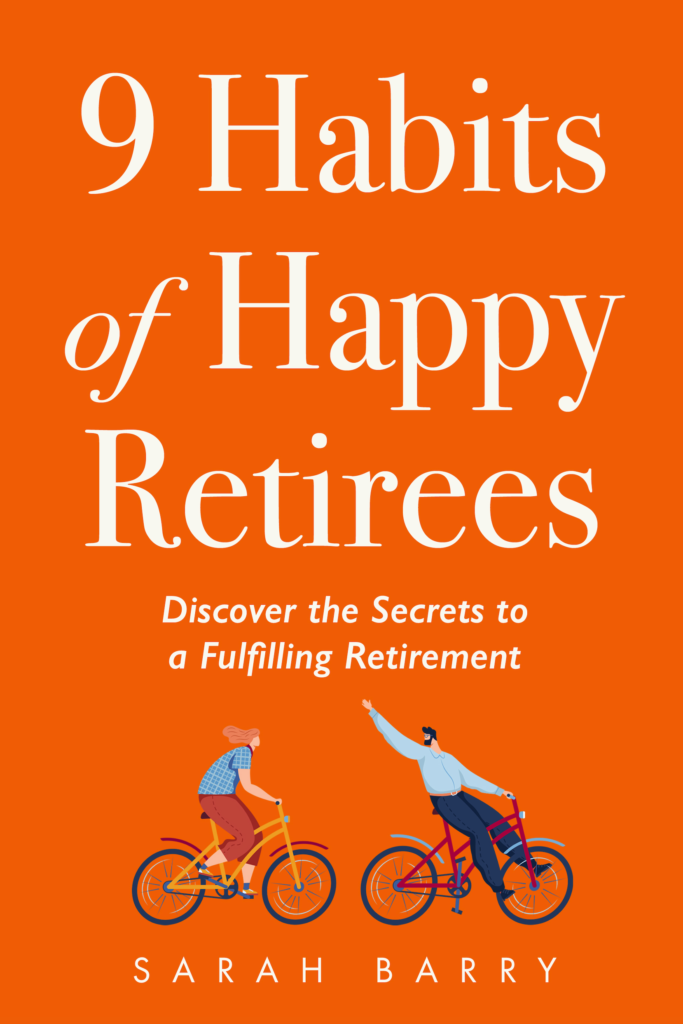
If you’re exploring what this next chapter could look like and want practical ways to create direction, structure, and meaning, you’ll find further guidance in my books 9 Habits of Happy Retirees and The Golden Gap Year, along with additional resources at SarahBarry.com.
📙 9 Habits of Happy Retirees – Practical strategies for creating a fulfilling retirement beyond financial planning.
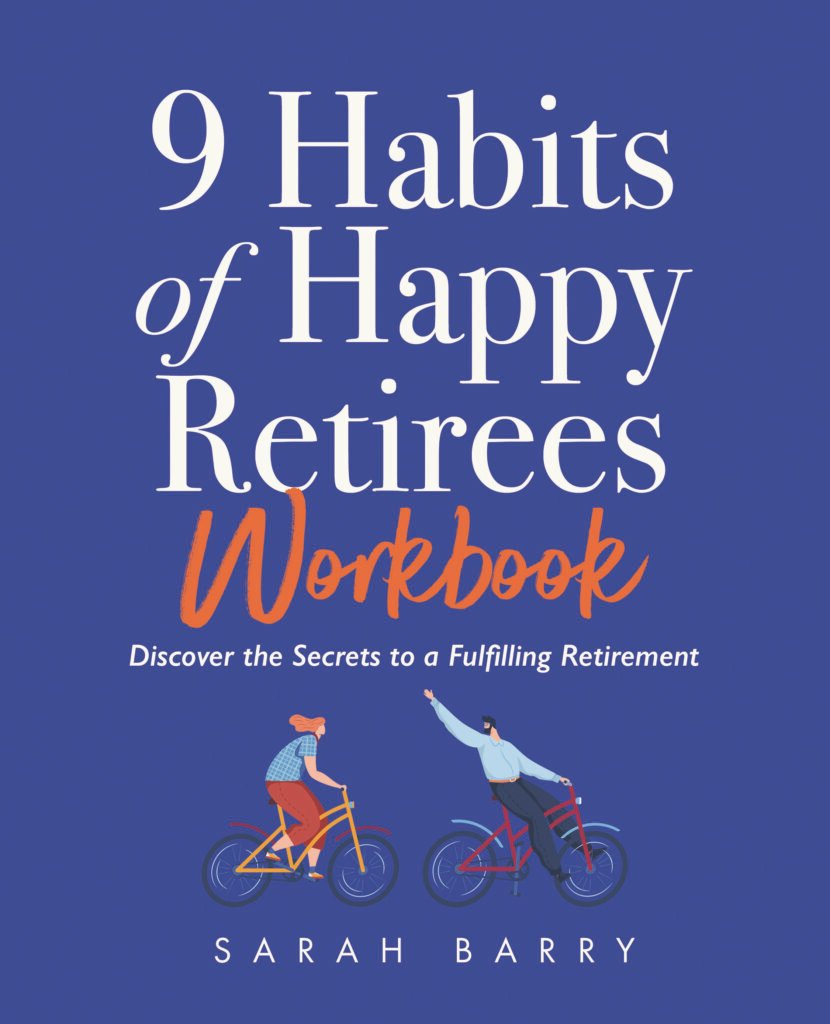
📘 The 9 Habits Workbook – Reflection exercises and planning tools to help you turn ideas into action.
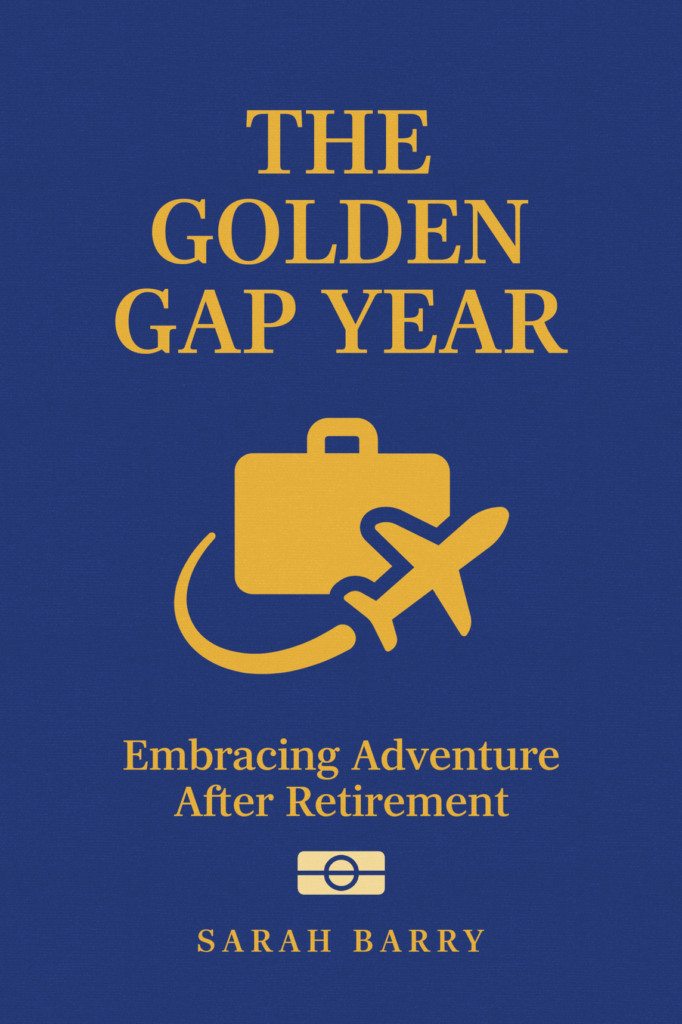
📘 The Golden Gap Year – A fresh approach to retirement as a period of exploration, experimentation, and discovery.
Retirement
Re-defined
9 Habits of Happy Retirees helps you shape a lifestyle that goes beyond financial security—focusing on the everyday habits that support meaning and balance.
The Essential Workbook
Designed to complement the book, this workbook helps turn reflection into action—supporting your mental, emotional, and social wellbeing in retirement.
Adventure
Re-imagined
The Golden Gap Year invites you to approach retirement with curiosity and intention—creating space for new experiences and personal growth.
You don’t need a forever plan. You need thoughtful phases.
🌐 Visit www.sarahbarry.com or email hello@sarahbarry.com to explore coaching and resources for your next chapter.
