

Have You Become Too Sensible for Your Own Good?
There comes a point in life when being sensible becomes almost second nature.
We think carefully before making decisions. We consider the financial implications, weigh up the risks, and ask ourselves whether something is really worth the effort.
After decades of experience, we’ve learned that enthusiasm alone doesn’t guarantee a good outcome.
We’ve made mistakes, encountered disappointments, and seen what can happen when people act without thinking things through.
And there’s considerable value in that experience.
But sometimes, our ability to anticipate problems becomes so well developed that we begin talking ourselves out of possibilities before we’ve properly considered them.
An interesting opportunity comes along, and we immediately think of everything that could go wrong.
Someone suggests trying something unfamiliar, and we explain why it probably wouldn’t work.
We consider a change in direction, but quickly return to the security of what we already know.
We’re being practical, responsible, and realistic.
Or are we?
Perhaps one of the questions worth asking as we move into the next stage of life is whether our good judgment is helping us make better decisions, or simply making us more reluctant to take chances.
How Experience Changes Our Appetite for Risk
When we’re younger, many decisions involve a degree of uncertainty.
We change jobs, move to new cities, begin relationships, and pursue opportunities without necessarily knowing how things will turn out.
Some decisions work beautifully. Others don’t.
But there’s often an underlying belief that we have plenty of time to recover if something goes wrong.
As we get older, our perspective changes.
We may have greater financial responsibilities, more established routines, and a clearer understanding of what we stand to lose.
We also have more experience of the complications that can accompany seemingly straightforward decisions.
A younger person might see an exciting opportunity to move overseas.
Someone with decades of experience may immediately think about healthcare, taxation, residency requirements, property, insurance, and the practicalities of maintaining connections with family.
Neither perspective is necessarily wrong.
The older person may simply have a more complete understanding of what’s involved.
The difficulty arises when our awareness of potential complications prevents us from considering whether the opportunity might still be worthwhile.
We become so skilled at identifying obstacles that we sometimes overlook the reasons for pursuing something in the first place.
Experience should improve our judgment.
It doesn’t have to eliminate our curiosity.
When Being Practical Becomes a Habit
Most of us develop patterns of decision-making over time.
We become familiar with what works for us, what we enjoy, and what we’d rather avoid.
These preferences make everyday life easier.
We don’t need to reconsider every choice because we’ve already learned a great deal about ourselves.
But familiarity can gradually become a limitation.
Perhaps you’ve always enjoyed traveling independently, but now find yourself choosing the same destinations because they’re convenient and predictable.
Maybe you’ve considered learning something completely different, but dismiss the idea because you can’t imagine becoming particularly good at it.
Or perhaps you’ve thought about changing the way you work, but continue accepting familiar responsibilities because they feel safer than exploring something new.
These decisions may be perfectly reasonable.
The question is whether we’re making them consciously.
There’s a difference between choosing familiarity because we genuinely prefer it and choosing familiarity because we’ve become uncomfortable with uncertainty.
The first reflects self-knowledge.
The second may reflect a habit we’ve stopped questioning.
And habits can be remarkably persuasive.
We tell ourselves we’re being realistic, when sometimes we’re simply avoiding the discomfort of doing something unfamiliar.
The Opportunities We Reject Before Exploring Them
One of the advantages of experience is our ability to recognize potential problems quickly.
But that same ability can create a tendency to reject ideas too early.
Imagine someone approaching retirement who has always wanted to write a book.
They begin considering the possibility, but almost immediately think about the difficulties.
They don’t know how publishing works. They aren’t sure anyone would want to read what they write. The process could take years, and there’s no guarantee of success.
All of these concerns may be valid.
But none necessarily answers the more important question: would they enjoy writing?
They’ve moved straight from an interesting possibility to an assessment of its ultimate outcome.
The same pattern can occur with starting a business, joining a community organization, learning a language, or taking on a new challenge.
We evaluate an idea as though we’re already making a permanent commitment.
Instead of asking whether something might be worth exploring, we ask whether we can guarantee that it will work.
And because guarantees are rarely available, we decide against it.
This can be particularly limiting in retirement, when we may have more freedom to pursue activities without needing them to produce financial returns or professional recognition.
Not everything has to become a major achievement.
Sometimes, the value lies in the experience itself.
Understanding the Risks Worth Taking
Of course, becoming more adventurous doesn’t mean abandoning caution.
There are very real differences between taking a manageable risk and making a decision that could seriously undermine our financial security, health, or well-being.
Starting an expensive business without understanding the costs is different from testing an idea on a small scale.
Selling your home to relocate somewhere you’ve barely visited is different from spending an extended period there before deciding.
Taking on physically demanding activities without appropriate preparation is different from gradually building the skills and fitness required to participate safely.
Good judgment remains essential.
But we can use that judgment to make possibilities more manageable rather than automatically rejecting them.
Sometimes, the most useful question isn’t whether something involves risk.
Almost every meaningful change does.
It’s whether the potential benefits justify the risk, and whether there are sensible ways to reduce the possible consequences.
We can seek advice, establish financial limits, begin with smaller commitments, or create alternative plans.
We can also recognize that different decisions deserve different levels of caution.
A major financial commitment requires considerably more scrutiny than signing up for a weekend workshop.
Yet people sometimes approach both with the same instinctive reluctance.
Learning to distinguish between serious risks and ordinary uncertainty can make us more confident about exploring new opportunities.
The Risk of Never Trying
We tend to think about risk in terms of what might happen if we take action.
What if the business fails?
What if we don’t enjoy the move?
What if we embarrass ourselves trying something new?
These are understandable concerns.
But there’s another side to the equation.
What happens if we never try?
Perhaps we remain in a professional role long after we’ve lost interest because changing direction feels uncertain.
Maybe we continue living somewhere that no longer suits us because relocating seems too complicated.
Or we postpone an ambition year after year, waiting for the perfect circumstances.
Eventually, the opportunity may become more difficult to pursue.
Our circumstances can change, and some choices may no longer be available in quite the same way.
This doesn’t mean we should rush into decisions because we’re getting older.
It means that inaction also has consequences.
Choosing not to pursue something is still a choice, even when it feels like the safer option.
And sometimes, the greatest disappointment isn’t that an opportunity failed to meet our expectations.
It’s that we never gave ourselves the chance to find out.
Giving Yourself Permission to Be Inexperienced
One of the reasons people become more cautious later in life is that they’ve spent years becoming competent.
They know what they’re good at and have developed confidence in familiar environments.
Trying something completely new means accepting that they may not be very good at it initially.
That can feel uncomfortable, particularly for people who have held senior positions or spent decades being recognized for their expertise.
You might find yourself in a class surrounded by people who are more experienced.
You may struggle with technology, make mistakes, or discover that progress takes longer than expected.
But being inexperienced isn’t a personal failing.
It’s a normal part of learning.
And retirement can offer a valuable opportunity to separate enjoyment from achievement.
You can take painting lessons without intending to become an artist.
You can learn a language without expecting to become fluent.
You can join a group, try a new sport, or explore a creative interest without needing to demonstrate that you’re particularly talented.
There’s freedom in allowing yourself to participate simply because something interests you.
For people accustomed to measuring success through professional results, that can be a significant adjustment.
But it can also make new experiences far more enjoyable.
Becoming More Open Without Becoming Reckless
Perhaps the aim isn’t to become a different person.
You don’t have to abandon your sensible nature, make dramatic changes, or pursue adventures that don’t genuinely appeal to you.
You can appreciate stability, value familiar routines, and still remain open to possibilities.
The change may be as simple as noticing your first reaction when an unfamiliar opportunity appears.
Do you immediately begin listing the reasons it won’t work?
Do you assume you’re too old, too inexperienced, or too established to consider it?
Do you dismiss something because it doesn’t fit the life you’ve always lived?
If so, it might be worth allowing yourself a little more time before deciding.
You could ask what interests you about the possibility, what you’d need to learn, and whether there’s a manageable way to explore it.
Sometimes, after considering everything, you’ll still decide against it.
That’s perfectly reasonable.
But the decision will come from genuine consideration rather than an automatic preference for the familiar.
And occasionally, you may discover that something you would once have dismissed is exactly the kind of experience you’d like to have.
Final Thoughts
Becoming more sensible as we get older is often a sign of experience.
We’ve learned to recognize problems, protect what matters, and make decisions with a clearer understanding of the consequences.
Those are valuable abilities.
But good judgment should expand our choices, not automatically narrow them.
As we approach retirement and later life, we may have opportunities that weren’t available during our working years.
More control over our time, greater freedom to explore personal interests, and fewer expectations about what we need to achieve.
It would be a shame to reach that stage only to discover that we’ve become too cautious to enjoy the possibilities.
We don’t need to become reckless or abandon the lessons we’ve learned.
We simply need to remember that uncertainty isn’t always a warning sign.
Sometimes, it’s part of doing something worthwhile.
Being sensible is valuable. But so is remaining open to the possibility that something unfamiliar might turn out to be wonderful.
Not Sure Where to Start?
If you’re thinking about what comes next, my free Identity Audit is a practical place to begin. It helps you reflect on who you are beyond your professional role, what matters to you now, and what you might want from your next chapter.
Download the Free Identity Audit
If you’re ready to explore further, the What Comes Next: Getting Started package includes five guided worksheets to help you turn reflection into action, for just $37.
Planning in Chapters
If you prefer steady progress over rigid long-term plans, these resources can help:
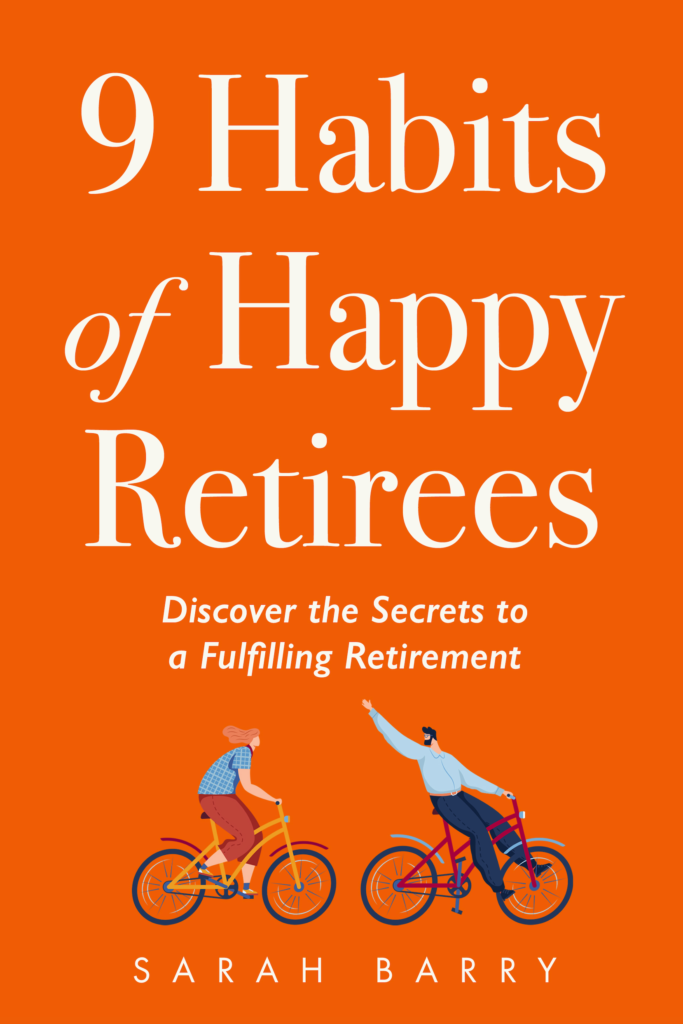
📙 9 Habits of Happy Retirees – A practical guide to building a fulfilling next chapter, one habit at a time
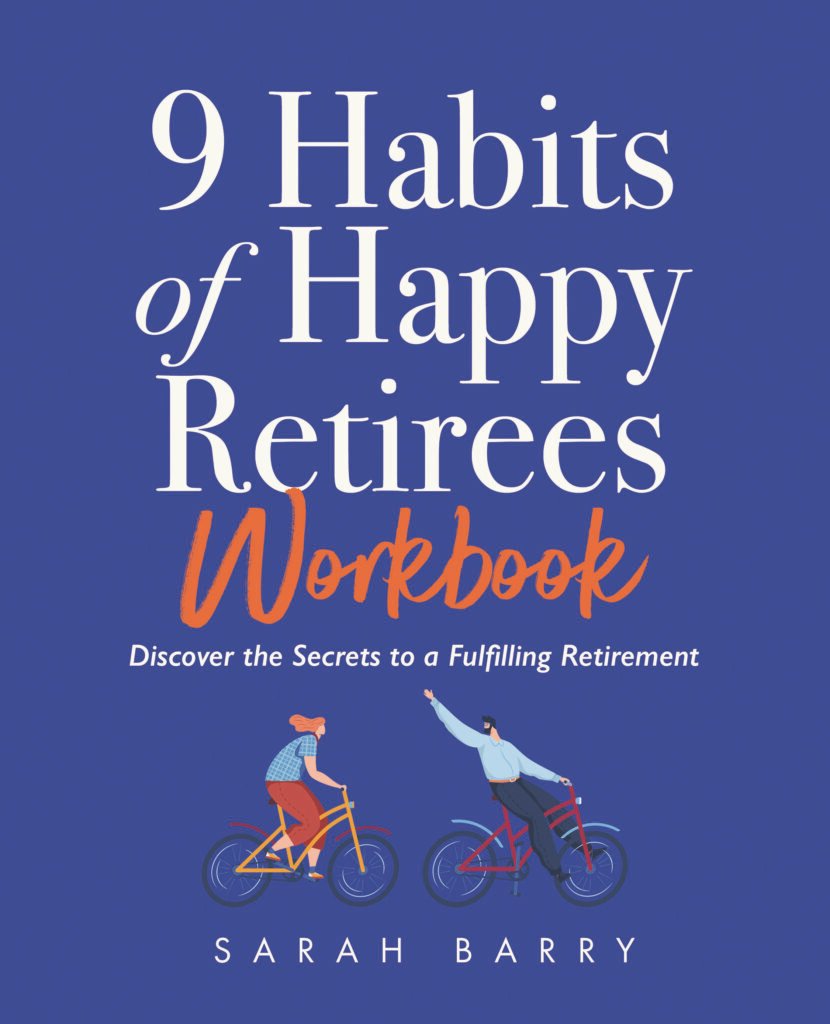
📘 The 9 Habits Workbook – Reflection prompts and simple planning tools to support clarity and forward movement.
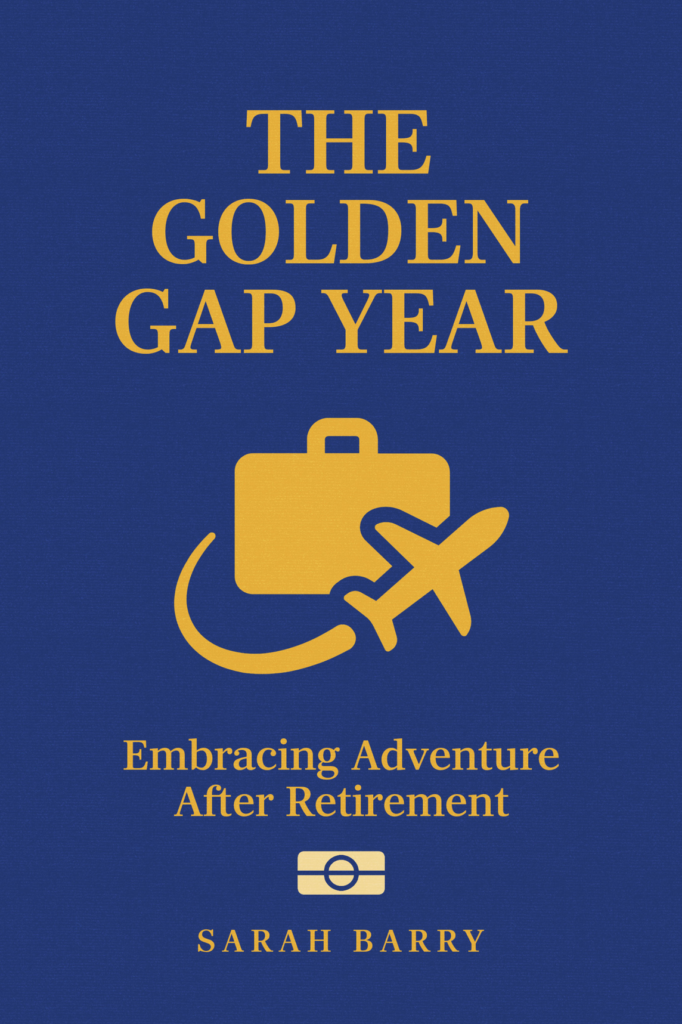
📘 The Golden Gap Year – A thoughtful approach to retirement as a transition to explore, not a single decision to make. experimentation, and discovery.
Retirement
Re-defined
9 Habits of Happy Retirees helps you shape a lifestyle that goes beyond financial security—focusing on the everyday habits that support meaning and balance.
The Essential Workbook
Designed to complement the book, this workbook helps turn reflection into action—supporting your mental, emotional, and social wellbeing in retirement.
Adventure
Re-imagined
The Golden Gap Year invites you to approach retirement with curiosity and intention—creating space for new experiences and personal growth.
You don’t need a forever plan. You need thoughtful phases.
🌐 Visit www.sarahbarry.com or email hello@sarahbarry.com to explore coaching and resources for your next chapter.
