
Redefining What It Means to Be “Useful”
For much of our lives, being “useful” is something we rarely question.
It’s built into how we spend our time.
You contribute.
You deliver.
You solve problems.
You support others.
Your usefulness is visible.
Recognised.
Often reinforced through feedback, results, and progress.
And over time, it becomes something more than just what you do.
It becomes part of how you understand your value.
When Usefulness Has Been Defined for You
In working life, usefulness is clearly defined.
You know:
- What’s expected of you
- What success looks like
- How your contribution fits into something larger
Your time has direction.
Your effort has purpose.
And your role provides a clear sense of where you add value.
Even on difficult days, there’s a framework.
A way to measure whether you’re contributing.
When That Definition Disappears
Retirement changes that—often quite suddenly.
The structure that once defined your usefulness is no longer there.
No role.
No clear expectations.
No immediate feedback loop.
And while this can feel freeing, it can also create something else:
A quiet question that isn’t always easy to articulate:
Am I still useful?
The Subtle Loss of Being Needed
One of the less talked about aspects of retirement is the shift in being needed.
In your working life, people relied on you.
They came to you for:
- Decisions
- Expertise
- Support
Your presence mattered in a very visible way.
In retirement, that dynamic changes.
And while you may still be valued, the day-to-day experience of being needed can reduce significantly.
This isn’t always a dramatic loss.
It’s often subtle.
But it can leave a gap that’s difficult to define—and easy to overlook.
When Busyness Becomes a Substitute
In response to this shift, it’s common to try to recreate a sense of usefulness through activity.
Filling the day.
Staying busy.
Taking on tasks.
Because doing something can feel like contributing.
And contributing can feel like being useful.
But busyness and usefulness aren’t the same.
And over time, constant activity without meaning can feel just as unsatisfying as having nothing to do.
The Link Between Usefulness and Identity
For many people, usefulness is closely tied to identity.
It answers questions like:
- “What do I offer?”
- “Where do I add value?”
- “Why do I matter in this context?”
When that external validation shifts, it’s natural to look for ways to replace it.
But trying to recreate the same form of usefulness often doesn’t quite fit.
Because this stage of life asks a different question:
Not just “How am I useful?”
But:
“What does usefulness mean to me now?”
A Different Way to Think About Usefulness
Instead of seeing usefulness as something defined externally, it can be helpful to redefine it more personally.
Usefulness doesn’t have to mean:
- Being constantly productive
- Being responsible for outcomes
- Being relied on in the same way as before
It can mean:
- Contributing in smaller, more personal ways
- Sharing your experience without expectation
- Being present rather than being busy
- Offering support where it feels natural—not required
This is a quieter form of usefulness.
But often, it’s a more sustainable one.
Contribution Without Pressure
One of the shifts in this stage of life is moving from obligation to choice.
You’re no longer required to contribute in a specific way.
Which means contribution can become more intentional.
More aligned.
More reflective of what you actually want to offer.
This might look like:
- Helping someone without needing recognition
- Mentoring informally
- Volunteering in a way that feels meaningful
- Supporting friends or family in small but important ways
None of these need to be large or structured.
But they can create a strong sense of connection and value.
Letting Go of External Measures
In working life, usefulness is often measured.
Through:
- Results
- Performance
- Achievement
In retirement, those measures fall away.
And without them, it can feel like there’s no clear way to assess your contribution.
But this also creates an opportunity.
To define usefulness on your own terms.
Not based on:
- Output
- Recognition
- Or comparison
But based on:
- Meaning
- Engagement
- And personal alignment
The Value of Being, Not Just Doing
One of the most significant shifts is moving from doing to being.
From:
⦁ Constant action
To:
⦁ More presence
From:
⦁ Output
To:
⦁ Experience
This doesn’t mean doing nothing.
But it does mean that your value isn’t tied solely to what you produce.
Sometimes usefulness looks like:
- Listening
- Being available
- Showing up consistently
- Bringing calm or perspective into a situation
These are not always visible contributions.
But they are meaningful ones.
When Old Patterns Still Show Up
Even with this shift, it’s common for old patterns to remain.
You may notice:
- A need to stay busy
- A tendency to measure your day by what you’ve done
- A discomfort with unstructured time
These patterns don’t disappear overnight.
Because they’ve been reinforced over many years.
The key isn’t to remove them completely.
But to become more aware of them—and to gradually loosen their hold.
Creating a New Sense of Value
Redefining usefulness isn’t about replacing one role with another.
It’s about creating a broader sense of value.
One that includes:
- What you do
- How you show up
- And how you engage with the world around you
This can take time.
Because it requires a shift in how you see yourself—not just how others see you.
The Quiet Shift
The shift isn’t from being useful to not being useful.
It’s from a visible, externally defined form of usefulness…
To something more personal, more flexible, and often quieter.
And while that can feel unfamiliar at first, it also creates space for something else:
A way of contributing that feels more aligned with who you are now.
The Quiet Truth About This Stage
No one really prepares you for this shift.
The loss of structure is discussed.
The financial side is planned.
But the identity side—the question of usefulness—is often left unspoken.
And yet, it’s one of the most important parts of this transition.
Because how you see your value shapes how you experience your time.
Final Thoughts
If you’ve found yourself questioning your usefulness in this stage of life, you’re not alone.
And it doesn’t mean something is missing.
It means something is changing.
Usefulness doesn’t disappear.
It evolves.
And while it may look different than before, it can become something that feels:
- More personal
- More intentional
- And more aligned with how you want to live
Planning in Chapters
If you prefer steady progress over rigid long-term plans, these resources can help:
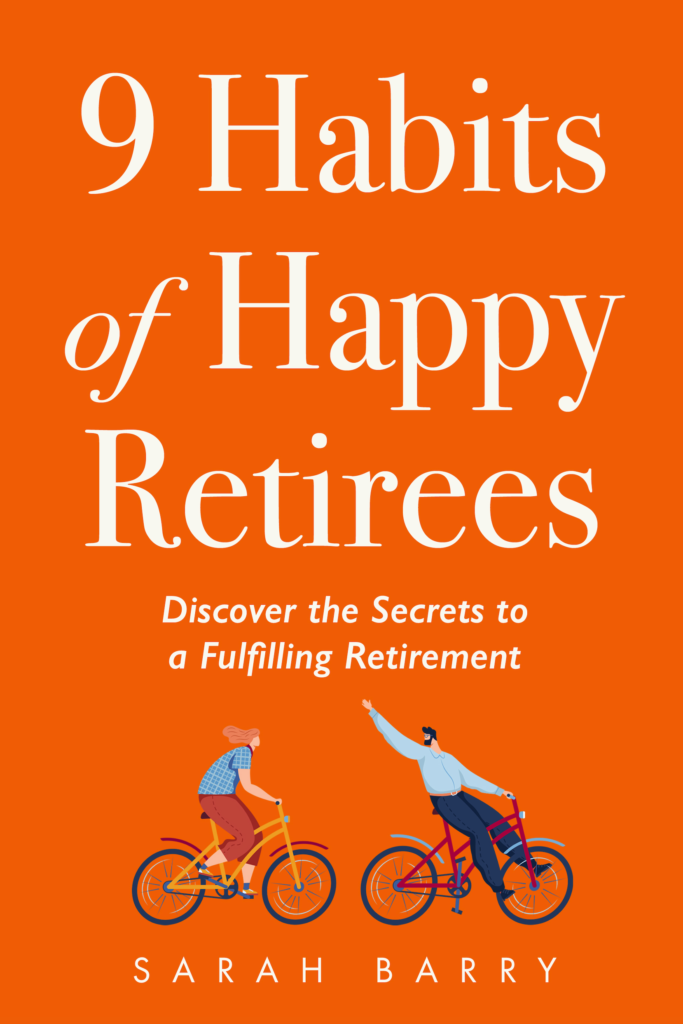
📙 9 Habits of Happy Retirees – A practical guide to building a fulfilling next chapter, one habit at a time.
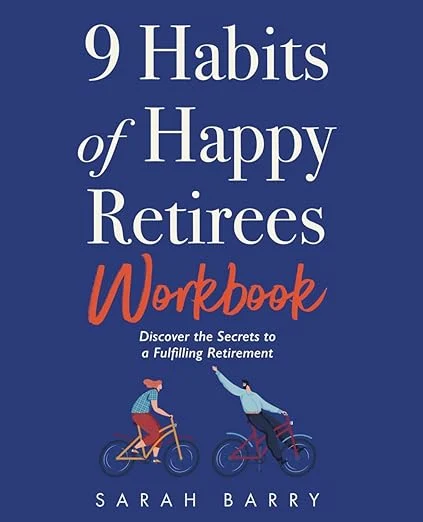
📘 The 9 Habits Workbook – Reflection prompts and simple planning tools to support clarity and forward movement.
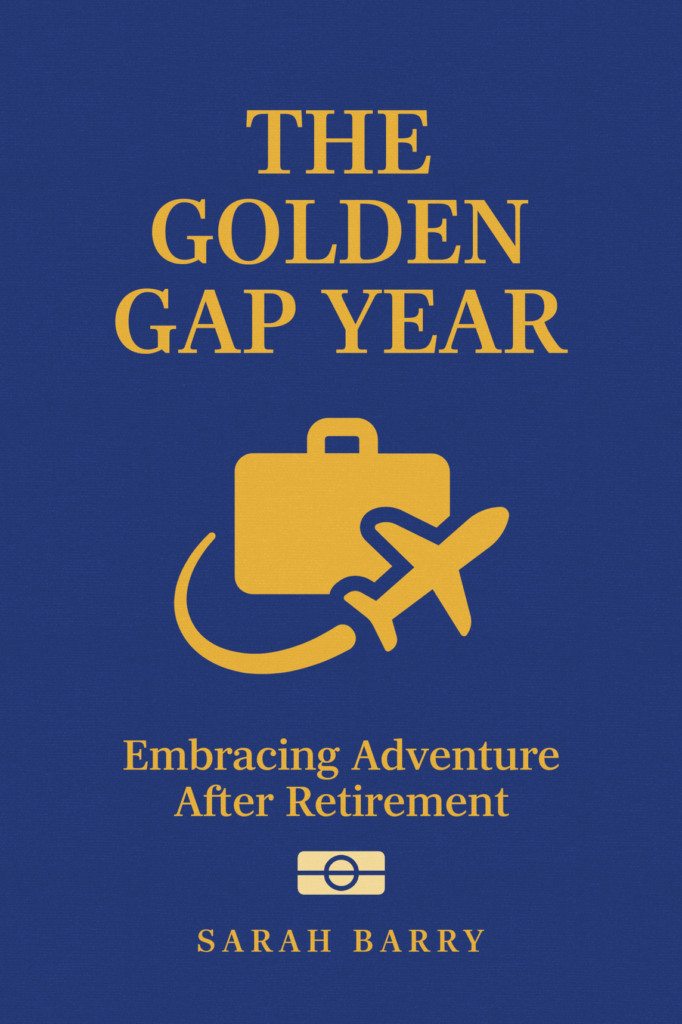
📘 The Golden Gap Year – A thoughtful approach to retirement as a transition to explore, not a single decision to make.
Retirement
Re-defined
9 Habits of Happy Retirees helps you shape a lifestyle that goes beyond financial security—focusing on the everyday habits that support meaning and balance.
The Essential Workbook
Designed to complement the book, this workbook helps turn reflection into action—supporting your mental, emotional, and social wellbeing in retirement.
Adventure
Re-imagined
The Golden Gap Year invites you to approach retirement with curiosity and intention—creating space for new experiences and personal growth.
You don’t need a forever plan. You need thoughtful phases.
🌐 Visit www.sarahbarry.com or email hello@sarahbarry.com to explore coaching and resources for your next chapter.