
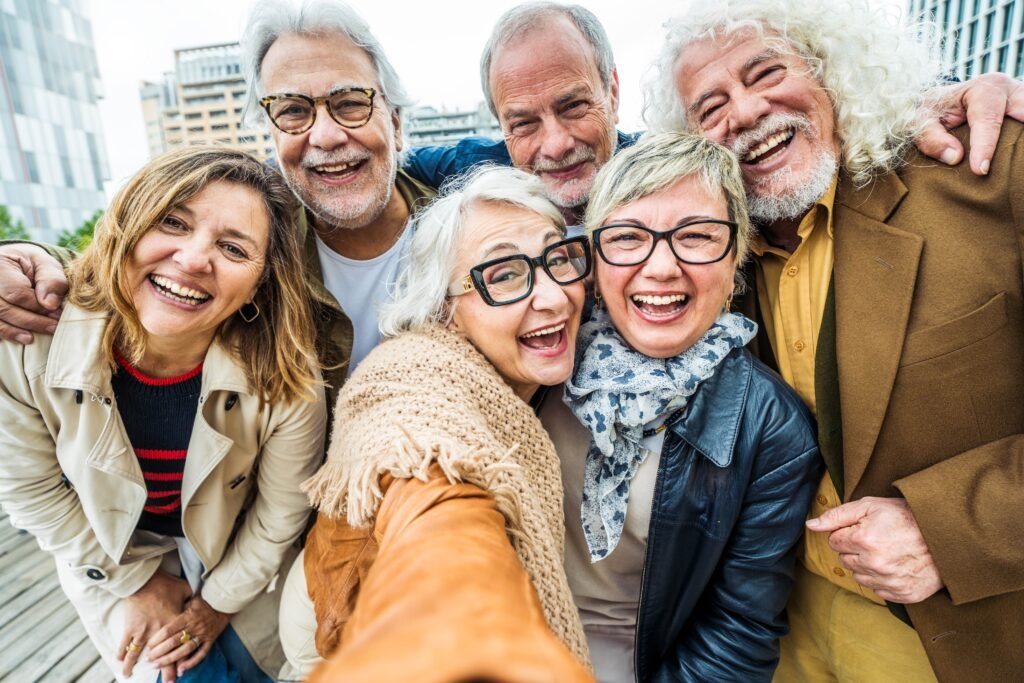
Friendship After Work: Why It Takes More Effort Than You Think
One of the assumptions many people make about retirement is that they’ll finally have more time for friends.
After years of balancing work commitments, family responsibilities, commuting, and everything else that fills a modern life, retirement appears to offer something that always felt in short supply: time. More time to catch up with old friends, spend time with neighbors, join groups, travel with like-minded people, and enjoy the social life that work often left little room for.
Yet for many retirees, the opposite happens.
Not immediately. In the early months, retirement can feel wonderfully social. There are farewell lunches, invitations, long-overdue catch-ups, and the novelty of having a more flexible schedule. But as time passes, many people notice something they weren’t expecting. Friendships that once felt effortless begin to require more work. People they saw every day become people they occasionally exchange messages with. Conversations become less frequent. Calendars become harder to align.
The surprise isn’t that friendships change.
The surprise is how much work was quietly supporting them in the first place.
The Social Infrastructure We Rarely Notice
Work does much more than provide income and structure. It also provides a social environment that most of us take for granted.
For years, we are surrounded by people with whom we share experiences, challenges, frustrations, successes, and daily routines. We see them regularly without having to organize anything. Conversations happen naturally while making coffee, walking between meetings, or discussing a project. Relationships are reinforced through repeated contact rather than deliberate effort.
Some of these relationships remain professional. Others develop into genuine friendships. But regardless of their nature, work creates a form of social infrastructure that makes connection easy.
We don’t often notice this while we’re employed because it feels normal. It’s simply part of everyday life.
Retirement removes much of that infrastructure almost overnight.
The people are still there, but the reason for regular interaction disappears. What once happened automatically now requires intention.
Why Some Friendships Fade
This can be difficult to accept because we often assume that genuine friendships should survive any change in circumstances.
Sometimes they do.
But many friendships are built not only on affection and shared values but also on proximity and regular contact. Psychologists have long understood that repeated exposure plays a significant role in relationship formation. We tend to feel closer to people we encounter frequently.
Work creates those encounters naturally.
Without that shared environment, some relationships gradually weaken. It’s not usually because anyone has done anything wrong. Life simply moves on. Former colleagues remain busy. Some continue working. Others relocate. New routines emerge.
The friendship may still exist, but maintaining it now requires effort from both sides.
Many retirees interpret this as rejection when it is often simply the result of changing circumstances.
Understanding this distinction can be surprisingly helpful. It allows us to view evolving friendships as a normal part of transition rather than a personal failure.
The Difference Between Being Busy and Being Connected
One of the challenges retirees face is that social connection cannot be replaced by activity alone.
It’s entirely possible to have a full calendar and still feel lonely.
This is particularly true for people whose social lives were heavily connected to work. They may join clubs, attend events, volunteer, travel, or participate in community activities, yet still feel something is missing.
What they are often missing is not interaction.
It’s connection.
There is an important difference between spending time around people and feeling genuinely known by them. Meaningful friendships provide emotional support, shared history, trust, and a sense of belonging. These qualities take time to develop and cannot be created simply by keeping busy.
This is one reason loneliness can catch people off guard in retirement. It doesn’t always stem from isolation. Sometimes it comes from a reduction in meaningful connection.
Friendship Becomes More Intentional
One of the less discussed realities of later life is that friendship becomes increasingly intentional.
In childhood and early adulthood, new friendships often form through school, university, work, or raising children. We are constantly placed in environments where repeated contact with others occurs naturally.
Retirement changes that.
The opportunities for connection still exist, but they are less automatic. Building and maintaining friendships requires a greater willingness to reach out, make plans, follow up, and create regular points of contact.
This can feel uncomfortable at first, particularly for people who are used to friendships emerging organically.
Yet many retirees who thrive socially do exactly this. They don’t wait for connection to happen. They actively create opportunities for it. They arrange regular coffees, join groups aligned with their interests, reconnect with old friends, and remain open to meeting new people.
Importantly, they recognise that friendship is not something that was left behind in earlier life.
It is something that continues to evolve.
Making Room for New Connections
One of the misconceptions about friendship is that by retirement we should already have all the friends we need.
The reality is that life continues to change. People move away. Circumstances shift. Some friendships deepen while others naturally fade.
Creating room for new relationships is therefore just as important as maintaining existing ones.
This doesn’t mean collecting acquaintances or filling a social calendar. It means remaining curious about people and open to opportunities for connection.
Many retirees discover meaningful friendships through volunteering, shared interests, community groups, learning environments, travel, or simply taking the initiative to spend more time with people they already know.
The process is often slower than it was in earlier life, but it remains entirely possible.
The need for friendship does not diminish with age. If anything, it becomes more important.
Final Thoughts
One of the hidden gifts of retirement is that it gives you greater freedom to choose who you spend your time with. Relationships no longer need to fit around work schedules, office politics, or professional obligations. There is an opportunity to invest more deeply in the people who matter most.
But freedom alone doesn’t create connection.
Retirement often reveals how much of our social life was supported by structures we rarely noticed. When those structures disappear, friendship requires more intention than it once did.
The good news is that meaningful relationships can continue to grow, deepen, and evolve throughout life. While retirement may change the way friendships are formed and maintained, it does not change our fundamental need for connection.
Because long after careers end, it is often our relationships that continue to give shape, meaning, and richness to our lives.
Continue Exploring
If you’re exploring what this next chapter could look like and want practical ways to create direction, structure, and meaning, you’ll find further guidance in my books 9 Habits of Happy Retirees and The Golden Gap Year, along with additional resources at SarahBarry.com.
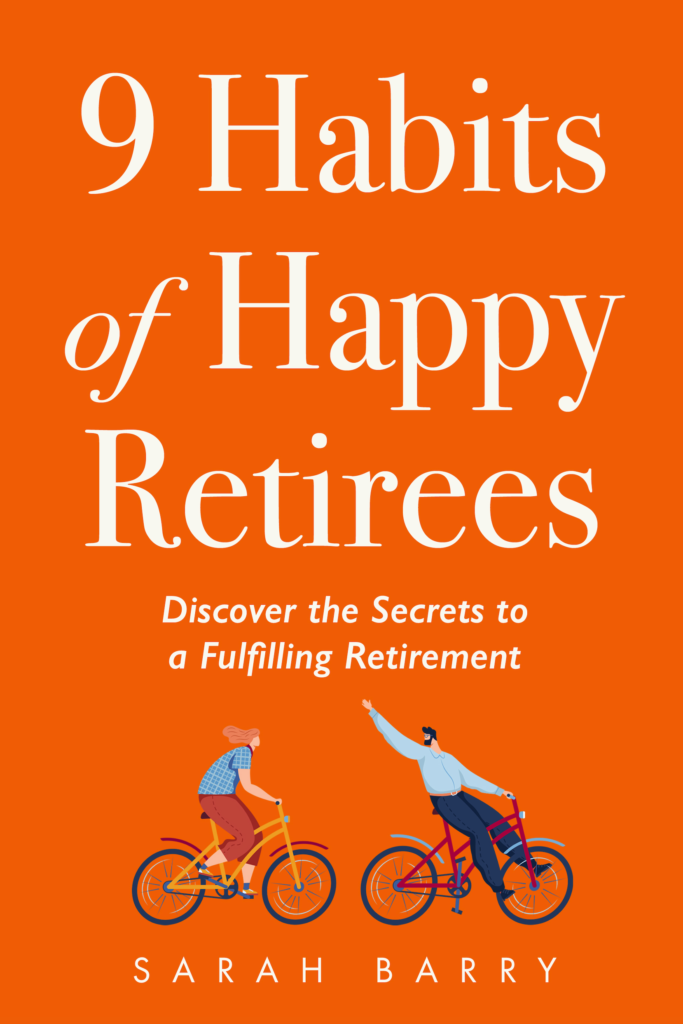
📙 9 Habits of Happy Retirees – Practical strategies for creating a fulfilling retirement beyond financial planning.
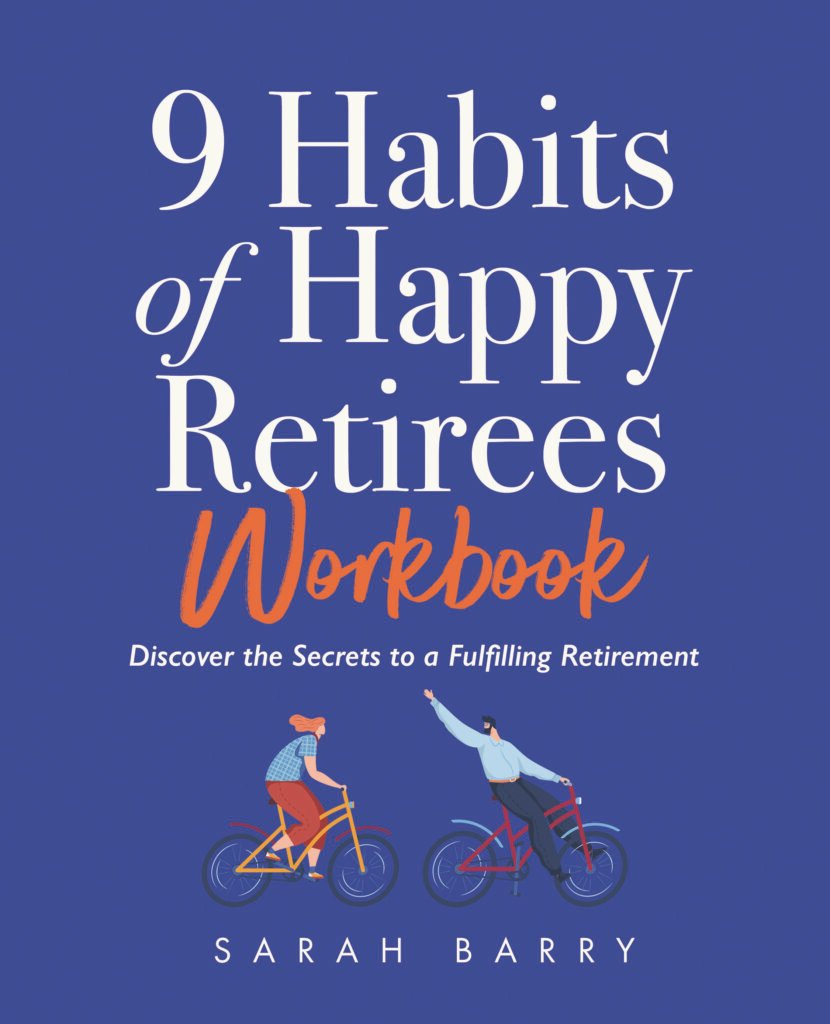
📘 The 9 Habits Workbook – Reflection exercises and planning tools to help you turn ideas into action.
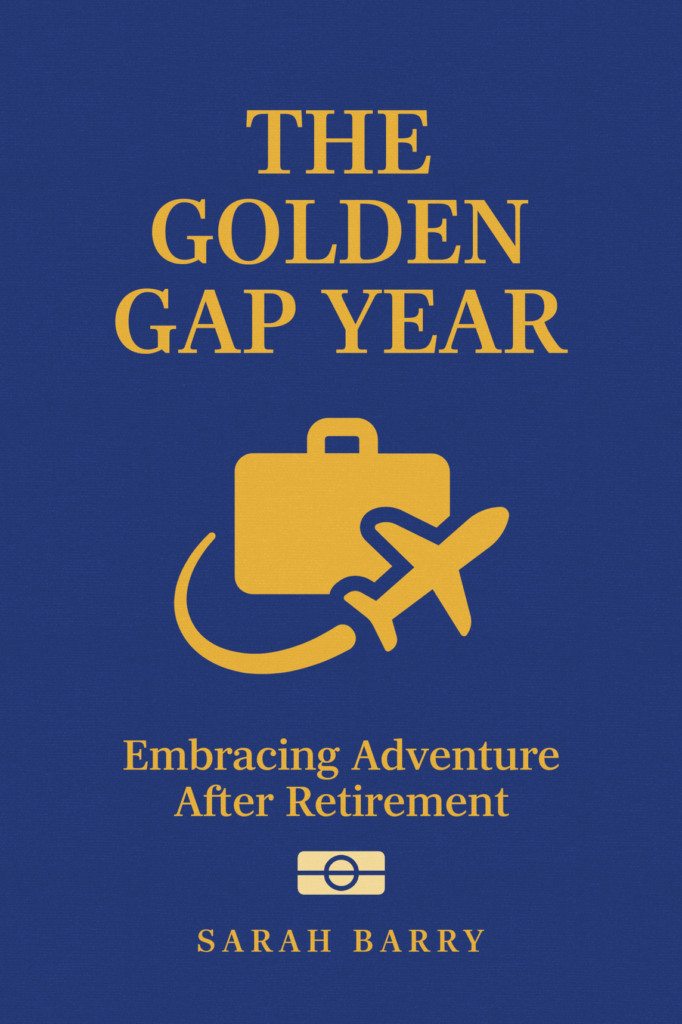
📘 The Golden Gap Year – A fresh approach to retirement as a period of exploration, experimentation, and discovery.
Retirement
Re-defined
9 Habits of Happy Retirees helps you shape a lifestyle that goes beyond financial security—focusing on the everyday habits that support meaning and balance.
The Essential Workbook
Designed to complement the book, this workbook helps turn reflection into action—supporting your mental, emotional, and social wellbeing in retirement.
Adventure
Re-imagined
The Golden Gap Year invites you to approach retirement with curiosity and intention—creating space for new experiences and personal growth.
You don’t need a forever plan. You need thoughtful phases.
🌐 Visit www.sarahbarry.com or email hello@sarahbarry.com to explore coaching and resources for your next chapter.
