

When One of You Retires First
Most retirement conversations assume that couples cross the finish line together.
The image is familiar. Two people leave work at roughly the same time, celebrate the occasion, and begin a new chapter side by side. There are plans to travel, spend more time together, and enjoy the freedom they have both been working towards.
For many couples, that isn’t how retirement unfolds.
One person retires while the other continues working, sometimes for a few months, sometimes for several years. It may be a financial decision, a matter of age, or simply that one partner is ready while the other still enjoys their career. Whatever the reason, staggered retirement is far more common than many people expect.
It is also one of the least discussed transitions in retirement.
On paper, it seems straightforward. One partner has more free time while the other maintains the routine they have always known. In reality, the difference in daily experience can quietly reshape a relationship in ways neither person anticipated.
The change is rarely dramatic.
More often, it appears in small moments that accumulate over time.
Living in Different Rhythms
The first difference is often the simplest.
One person wakes without an alarm while the other is preparing for work. One has the freedom to decide how to spend the day while the other still has meetings, deadlines, and responsibilities. One partner is discovering retirement while the other is still living within the structure of working life.
For years, both lives moved to a similar rhythm. Weekdays looked broadly alike, even if the jobs themselves were different. Suddenly, those rhythms separate.
The retired partner may quickly settle into a slower pace. They might enjoy longer mornings, meet friends for coffee, join a class, or spend time on projects that had always been postponed.
Meanwhile, the working partner often returns home to find that very little has changed in their own world. Their day has been shaped by obligations and schedules, while the person they live with has experienced something entirely different.
Neither experience is wrong.
They are simply no longer the same.
That difference can be surprisingly difficult to explain because it is not about conflict. It is about perspective.
Freedom Can Feel Unequal
One of the unexpected emotions during this stage is guilt.
The retired partner may feel guilty for enjoying a slower pace while their partner continues working. They may hesitate to talk about a leisurely lunch, a day trip, or an afternoon spent reading because they know the other person was sitting in meetings.
The working partner can experience guilt too.
They may feel guilty for resenting the freedom they see at home or worry that they are holding the other person back from fully embracing retirement.
Alongside guilt, there can also be envy.
One partner envies the freedom.
The other envies the certainty.
Retirement is exciting, but it is also full of adjustment. The person who has left work may occasionally miss the structure, purpose, and familiarity that employment once provided. The person still working may look longingly at the flexibility they have yet to experience.
Each sees something attractive in the other’s world while overlooking the challenges that come with it.
The Expectations That Go Unspoken
Staggered retirement also has a way of exposing expectations that were never discussed.
Once one partner is home during the day, assumptions can quietly emerge about how time should now be spent.
Should the retired partner take on more of the household responsibilities?
Should meals always be ready?
Should they be more available for family commitments because they are “no longer working”?
Sometimes these expectations are spoken aloud.
More often, they are simply assumed.
Neither partner may realise they are operating from different ideas about what retirement should look like until disappointment begins to creep in.
The retired partner may feel that their freedom is gradually being replaced by a new set of obligations. The working partner may wonder why more hasn’t changed around the house now that someone is there all day.
These are rarely arguments about chores.
They are conversations about fairness, identity, and changing roles.
A Temporary Season
Perhaps the most important thing to remember is that staggered retirement is usually just that.
A stage.
Eventually, many couples find themselves retired together, and the imbalance disappears. The challenge is navigating the period in between without allowing small frustrations to become lasting resentments.
That often requires recognising that each partner is living through a different transition.
One is learning how to leave work.
The other is learning how to keep working while life at home has already begun to change.
Neither journey is easier.
They are simply different.
The couples who navigate this stage most successfully are rarely those who have perfect plans. They are the ones who remain curious about each other’s experience. They recognise that retirement is not happening to one person in isolation. It is reshaping the relationship as well.
Final Thoughts
When one partner retires first, it is easy to assume the challenge is simply a matter of timing.
In reality, it is a period of adjustment that asks both people to rethink routines, expectations, and the way they share everyday life.
Like many aspects of retirement, the experience is less about solving a problem than understanding a transition. Once both partners recognise that they are living through different versions of the same life change, the conversation becomes easier.
The gap between retirements is not a sign that anything has gone wrong.
It is simply another chapter in the journey.
And like every chapter, it passes more smoothly when both people remember they are still writing the story together.
Continue Exploring
If you’re exploring what this next chapter could look like and want practical ways to create direction, structure, and meaning, you’ll find further guidance in my books 9 Habits of Happy Retirees and The Golden Gap Year, along with additional resources at SarahBarry.com.
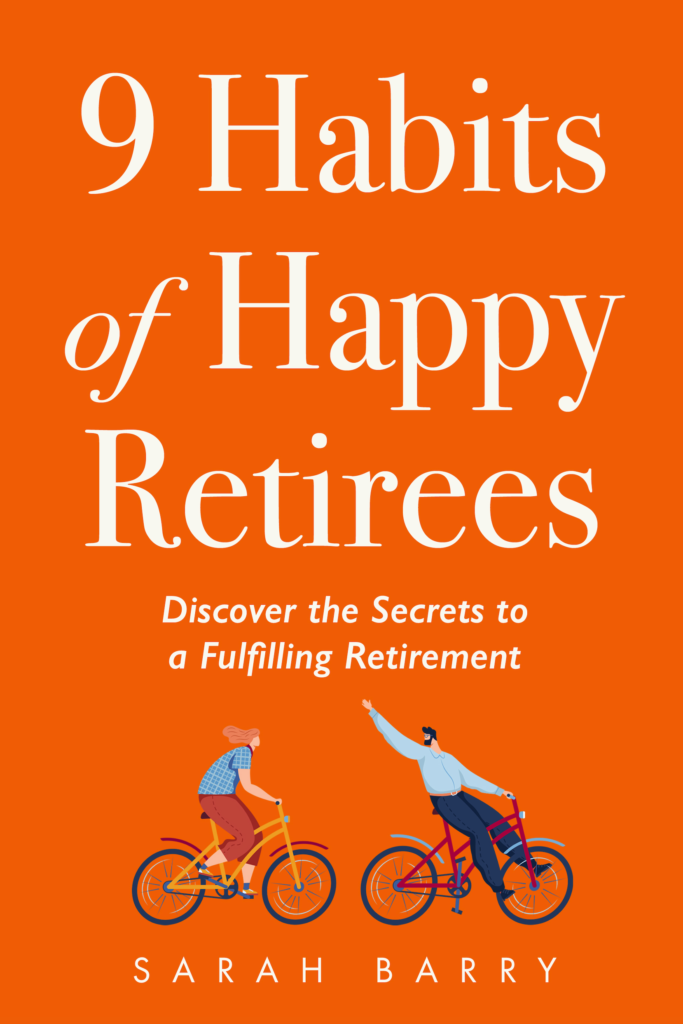
📙 9 Habits of Happy Retirees – Practical strategies for creating a fulfilling retirement beyond financial planning.
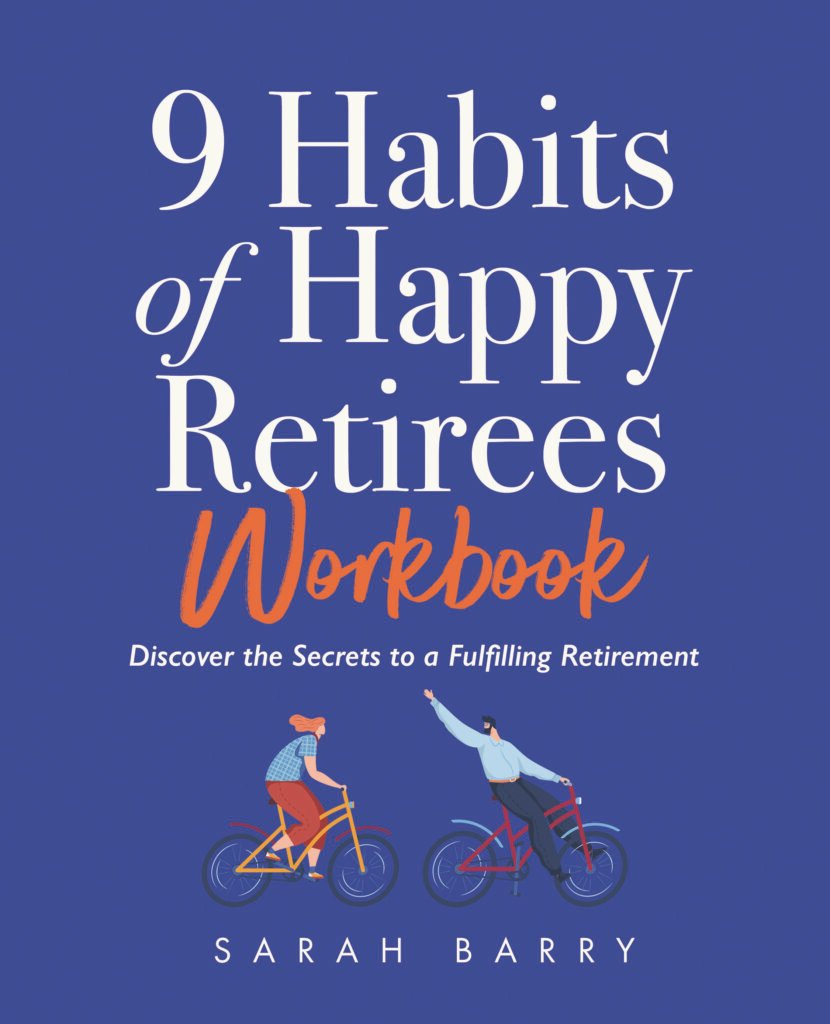
📘 The 9 Habits Workbook – Reflection exercises and planning tools to help you turn ideas into action.
Retirement
Re-defined
9 Habits of Happy Retirees helps you shape a lifestyle that goes beyond financial security—focusing on the everyday habits that support meaning and balance.
The Essential Workbook
Designed to complement the book, this workbook helps turn reflection into action—supporting your mental, emotional, and social wellbeing in retirement.
You don’t need a forever plan. You need thoughtful phases.
🌐 Visit www.sarahbarry.com or email hello@sarahbarry.com to explore coaching and resources for your next chapter.
