
Retirement Is a Transition, Not an Event
Most people think retirement happens on a particular day.
It’s the day you leave your job, hand in your security pass, close your laptop for the last time, or attend a farewell lunch. It marks the end of a career and the beginning of something new.
On paper, retirement looks like a single event.
In reality, it rarely feels that simple.
One of the most common things I hear from people after retirement is some version of: “I thought I would have settled into it by now.”
Sometimes they’ve been retired for six months. Sometimes it’s been two years. Occasionally even longer.
They expected the adjustment to be relatively quick. After all, they’d spent years preparing financially, discussing plans, and imagining what retirement might look like. Yet many find themselves feeling unsettled, uncertain, or unexpectedly emotional long after the retirement date has passed.
The reason is simple.
Retirement may happen on a date. The transition takes much longer.
The Difference Between an Event and a Transition
An event is something that happens at a specific point in time.
A transition is the process of adapting to what that event means.
The distinction matters because most retirement planning focuses heavily on the event itself. We think about when we’ll retire, how much money we’ll need, where we’ll live, and what practical arrangements need to be made.
These are all important considerations. But they don’t necessarily prepare us for the psychological adjustment that follows.
Leaving work changes far more than how we spend our days.
It changes our routines, our relationships, our sense of identity, and the structure around which much of our adult life has been organised.
For decades, work has often provided an invisible framework. It gives shape to the week, creates goals and deadlines, offers opportunities for social connection, and provides a clear answer to the question, “What do you do?”
When work disappears, all of those things can shift at once.
Not because anything has gone wrong, but because a significant life transition is underway.
Why Retirement Can Feel Harder Than Expected
Many people are surprised by how complex retirement feels.
They assume that once work-related stress disappears, life should automatically become easier and more enjoyable. And in some ways it often does. There can be tremendous freedom in having more control over your time.
But freedom can also be surprisingly demanding.
For the first time in decades, you may have to decide how to structure your days without the external framework that work once provided. You may discover that activities you looked forward to are enjoyable but not quite enough to create a sense of purpose. You may find yourself missing colleagues, challenges, or simply the feeling of being needed.
These experiences are often interpreted as signs that retirement isn’t working.
In reality, they’re usually signs that the transition is still unfolding.
When people change careers, move countries, become parents, or experience other major life changes, we generally accept that there will be an adjustment period. We understand that it takes time to adapt to a new reality.
Yet retirement is often treated differently. There can be an expectation that once the practical arrangements are complete, the adjustment should happen automatically.
The reality is that retirement is one of the biggest transitions most people will ever experience.
Expecting to navigate it overnight is unrealistic.
The Emotional Side of Retirement
Part of the challenge is that retirement involves both gains and losses.
The gains are usually easy to identify. More freedom. More flexibility. More choice. Less pressure.
The losses can be harder to recognise.
You may lose a sense of professional identity. You may lose daily contact with colleagues. You may lose familiar routines, responsibilities, and sources of achievement. Even positive changes can involve a degree of loss.
Because these losses are rarely discussed openly, many people don’t recognise them for what they are.
Instead, they tell themselves they should be grateful. After all, retirement was a choice. They worked hard to get here. Why would they feel unsettled?
The answer is that gratitude and loss can exist at the same time.
You can be excited about retirement and still miss aspects of your previous life.
You can feel fortunate and still feel uncertain.
These experiences aren’t contradictory. They’re a normal part of transition.
A Different Way to Think About Retirement
What if retirement wasn’t something you completed?
What if it was something you gradually grew into?
This simple shift in perspective can be incredibly helpful.
Instead of asking, “Have I adjusted yet?” you begin asking, “What am I learning about this stage of life?”
Instead of expecting immediate clarity, you allow yourself time to explore.
Instead of feeling pressure to create a perfect retirement plan, you focus on discovering what works through experience.
This is one of the reasons I often encourage people to think in chapters rather than decades.
When people retire, they frequently feel they need a plan for the next twenty or thirty years. That’s a daunting task for anyone.
A more useful approach is to focus on the chapter immediately in front of you.
What interests you now?
What energises you?
What relationships do you want to invest in?
What might you like to explore while you have the freedom to do so?
The answers will evolve over time. That’s not a problem. It’s part of the process.
What the Transition Often Looks Like
Although every retirement journey is different, many people move through a series of recognizable stages.
There is often an initial period of relief and excitement. The freedom feels wonderful. The novelty is energizing.
Over time, however, the reality of everyday life begins to emerge. The holidays end. The home projects get completed. The novelty fades.
This is often when deeper questions start to surface.
Who am I now that work no longer defines me?
How do I want to spend my time?
What gives my life meaning?
What comes next?
These questions can feel uncomfortable because they don’t always have immediate answers.
But they are also valuable questions.
They mark the point where retirement shifts from being about leaving work to creating a life beyond it.
Final Thoughts
One of the most reassuring things to remember is that feeling unsettled doesn’t mean you’re failing at retirement.
It usually means you’re in the middle of a transition.
The retirement date may appear on a calendar, but the process of building a fulfilling life beyond work unfolds over months and years. It involves experimentation, adjustment, reflection, and growth.
Like any significant life change, it takes time.
The goal isn’t to arrive at a final destination where everything is permanently figured out.
The goal is to keep creating a life that feels meaningful, engaging, and aligned with who you are becoming.
Retirement is not a single event.
It’s a transition.
And transitions deserve patience.
Continue Exploring
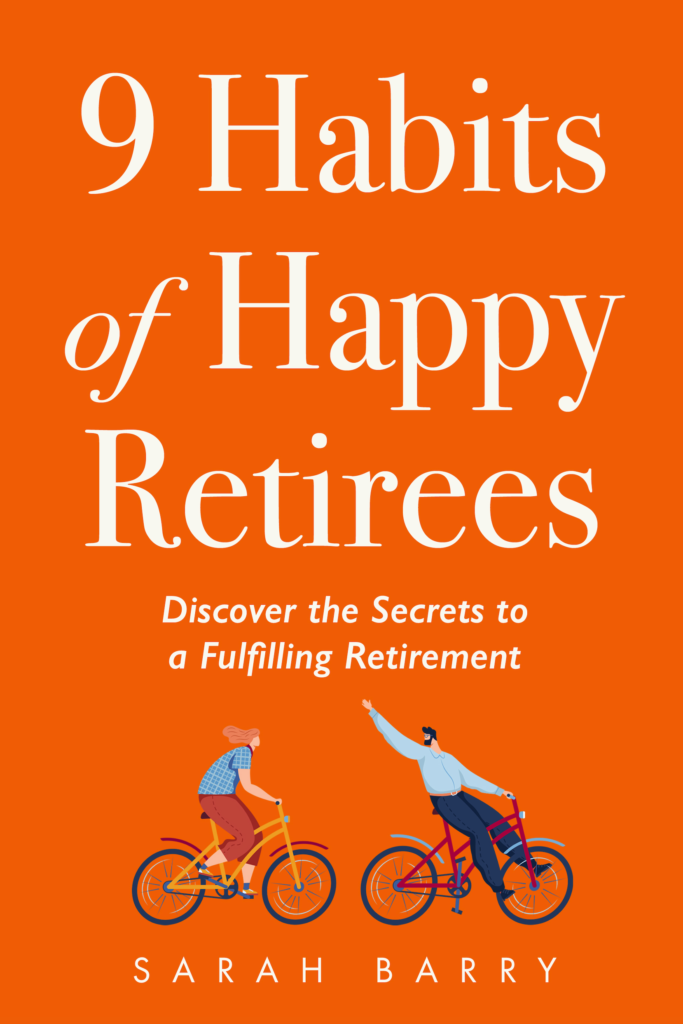
If you’re exploring what this next chapter could look like and want practical ways to create direction, structure, and meaning, you’ll find further guidance in my books 9 Habits of Happy Retirees and The Golden Gap Year, along with additional resources at SarahBarry.com.
📙 9 Habits of Happy Retirees – Practical strategies for creating a fulfilling retirement beyond financial planning.
📘 The 9 Habits Workbook – Reflection exercises and planning tools to help you turn ideas into action.
📘 The Golden Gap Year – A fresh approach to retirement as a period of exploration, experimentation, and discovery.
Retirement
Re-defined
9 Habits of Happy Retirees helps you shape a lifestyle that goes beyond financial security—focusing on the everyday habits that support meaning and balance.
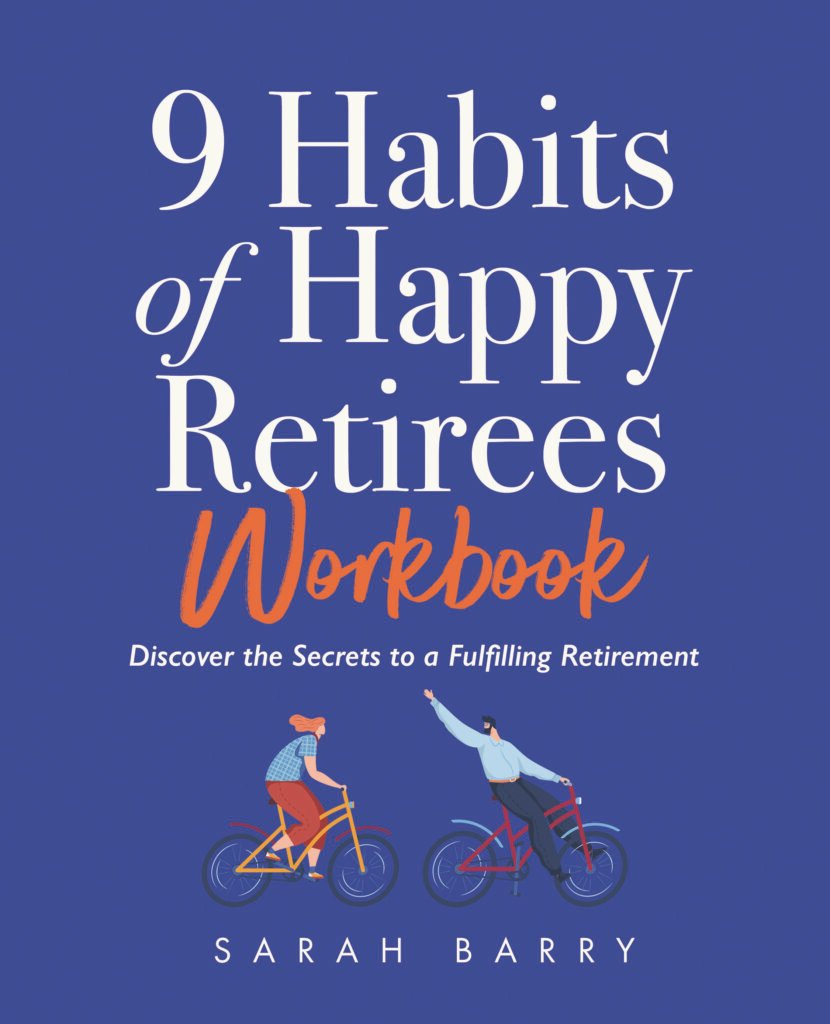
The Essential Workbook
Designed to complement the book, this workbook helps turn reflection into action—supporting your mental, emotional, and social wellbeing in retirement.
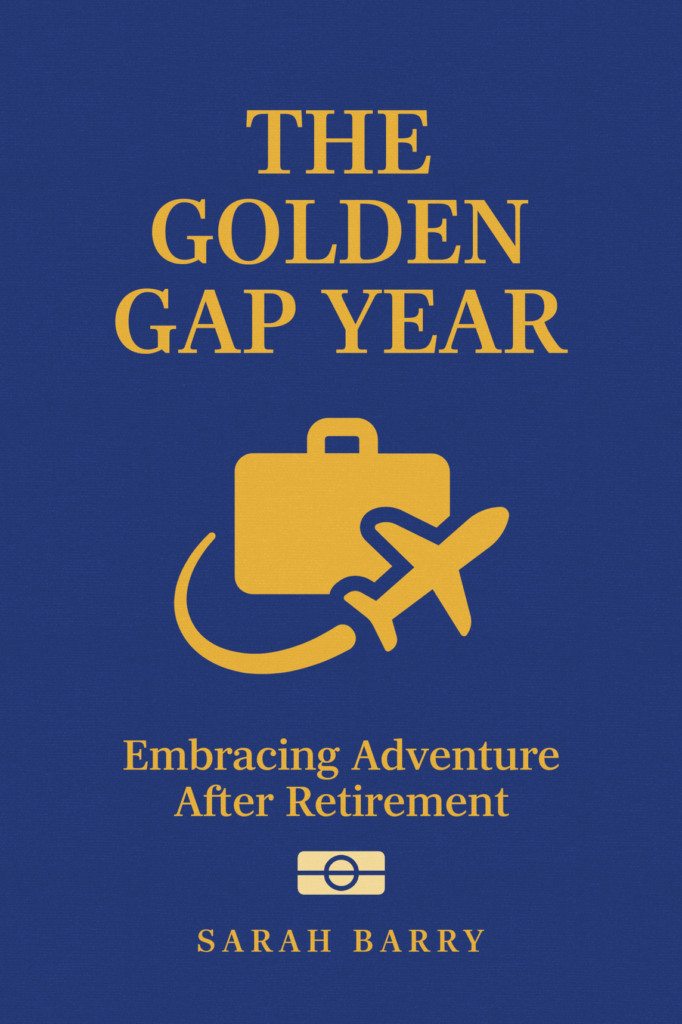
Adventure
Re-imagined
The Golden Gap Year invites you to approach retirement with curiosity and intention—creating space for new experiences and personal growth.
You don’t need a forever plan. You need thoughtful phases.
🌐 Visit www.sarahbarry.com or email hello@sarahbarry.com to explore coaching and resources for your next chapter.
