

The Retirement Comparison Trap
Retirement is supposed to free us from the need to keep up with everyone else.
For decades, many of us lived in a world of comparisons without even realising it. Careers had titles and promotions. Salaries increased or didn’t. Houses became larger, cars became newer, and achievements accumulated in ways that were easy to see. Even if we told ourselves we weren’t paying attention, it was difficult not to notice how our lives measured against those around us.
Retirement promises an escape from much of that.
The career ladder disappears. Annual reviews stop. There is no next promotion to compete for and no obvious definition of success to chase. After years of external measures, retirement seems as though it should offer something simpler: the freedom to live life on your own terms.
Yet comparison has a habit of following us.
It simply changes its clothes.
Instead of comparing careers, we begin comparing retirements.
A friend spends three months travelling through Europe. Another starts a successful consulting business. Someone else seems permanently surrounded by grandchildren, while another posts photographs of golf courses, cruises, and dinners overlooking the sea.
The comparisons no longer revolve around work.
They revolve around how well we appear to be doing retirement.
The New Scorecard
One of the reasons retirement comparison is so powerful is that there are no obvious benchmarks.
During our working lives, success is relatively easy to recognise. Organisations define performance. Careers have milestones. There is usually some sense of whether things are moving forwards.
Retirement removes that structure.
Without a shared definition of success, many people begin borrowing one from those around them.
If everyone else seems busy, perhaps you should be busier.
If your neighbour is learning Italian, perhaps you should finally learn Spanish.
If friends are travelling constantly, perhaps staying close to home means you’re somehow missing out.
The comparisons are rarely deliberate. They happen in conversations over coffee, at neighbourhood gatherings, on holiday, or while catching up with former colleagues. Sometimes they arrive through photographs and social media, but more often they emerge through ordinary conversations about how people are spending their time.
The difficulty is that we rarely compare our everyday lives with someone else’s everyday life.
We compare our ordinary Tuesday with someone else’s highlight reel.
The Quiet Pressure to Be Having the "Right" Retirement
Unlike work, retirement comes with very few rules.
Paradoxically, that freedom can create its own pressure.
Without clear expectations, many retirees begin looking around for reassurance that they are doing it correctly. They search for examples of successful retirements and, without meaning to, begin judging their own against them.
The irony is that almost everyone is doing exactly the same thing.
The couple travelling the world may quietly wonder whether they should be spending more time with family.
The retiree caring for grandchildren may envy the freedom of those who can travel whenever they choose.
The person who has started an encore career may occasionally long for a slower pace, while someone enjoying quiet days at home may wonder whether they should be doing something more productive.
Comparison has a remarkable ability to convince us that everyone else has found the perfect balance.
Very few people have.
Like every other stage of life, retirement is full of trade-offs. Every choice creates opportunities while closing off others. The difference is that those trade-offs are often invisible from the outside.
Finding Your Own Measure
One of the most valuable shifts in retirement is recognising that success becomes deeply personal.
A fulfilling retirement is not built by collecting experiences simply because they look impressive. Nor is it measured by the number of countries visited, volunteer hours completed, hobbies acquired, or photographs shared.
It is measured much more quietly.
It is found in waking up without wishing your life were different.
It is found in relationships that feel meaningful, days that feel satisfying, and a growing sense that your time reflects your priorities rather than someone else’s expectations.
For one person, that may involve constant travel.
For another, it may mean becoming deeply rooted in a local community.
One retiree may find purpose through part-time work.
Another may discover it through gardening, painting, reading, walking, or simply enjoying the freedom to move at a slower pace.
The value lies not in the activity itself but in whether it genuinely fits the life you want to live.
Retirement offers something many people have never experienced before.
The opportunity to stop asking what looks successful and start asking what feels meaningful.
Choosing Contentment Over Comparison
Comparison is unlikely to disappear completely.
It is part of being human.
The difference is that retirement offers an opportunity to notice it without allowing it to shape every decision.
There will always be someone travelling further, doing more, spending less, volunteering longer, looking fitter, or appearing happier.
There will also always be someone looking at your life and wondering how you created the sense of balance they believe they see.
Neither perspective tells the whole story.
Real life is lived in ordinary days rather than extraordinary moments. It is built through routines, relationships, conversations, and choices that rarely make interesting stories over dinner.
Those ordinary days are often where the deepest satisfaction is found.
Not because they are remarkable.
But because they belong entirely to you.
Final Thoughts
One of the greatest gifts retirement offers is freedom.
It would be a shame to spend that freedom trying to live someone else’s version of a successful retirement.
Comparison encourages us to look outward for reassurance. Fulfilment usually asks us to look inward instead.
The question is not whether your retirement looks as exciting, productive, adventurous, or meaningful as someone else’s.
The question is whether it feels like the life you genuinely want to live.
Because the only retirement you ever have to get right is your own.
Continue Exploring
If you’re exploring what this next chapter could look like and want practical ways to create direction, structure, and meaning, you’ll find further guidance in my books 9 Habits of Happy Retirees and The Golden Gap Year, along with additional resources at SarahBarry.com.
📙 9 Habits of Happy Retirees – Practical strategies for creating a fulfilling retirement beyond financial planning.
📘 The 9 Habits Workbook – Reflection exercises and planning tools to help you turn ideas into action.
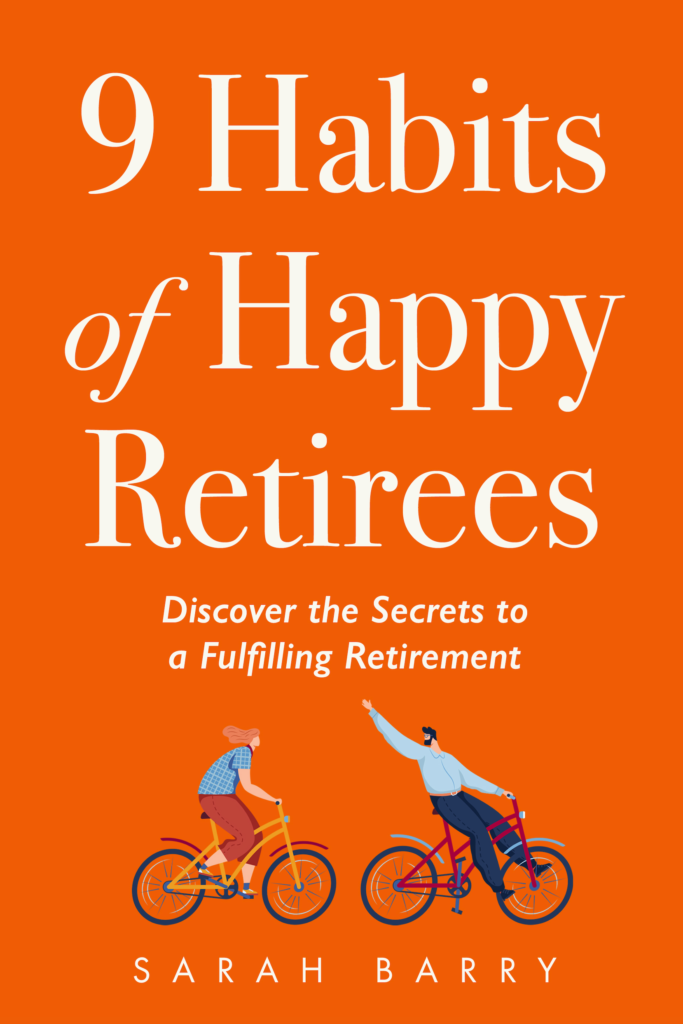
Retirement
Re-defined
9 Habits of Happy Retirees helps you shape a lifestyle that goes beyond financial security—focusing on the everyday habits that support meaning and balance.
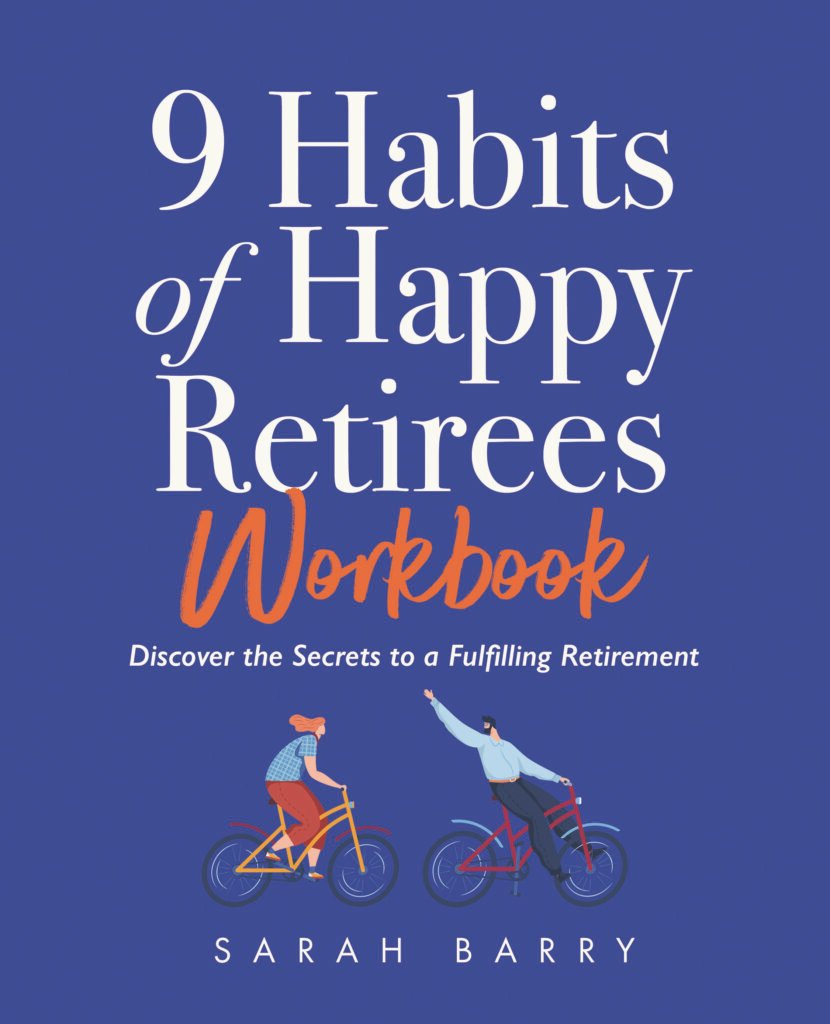
The Essential Workbook
Designed to complement the book, this workbook helps turn reflection into action—supporting your mental, emotional, and social wellbeing in retirement.
You don’t need a forever plan. You need thoughtful phases.
🌐 Visit www.sarahbarry.com or email hello@sarahbarry.com to explore coaching and resources for your next chapter.
