
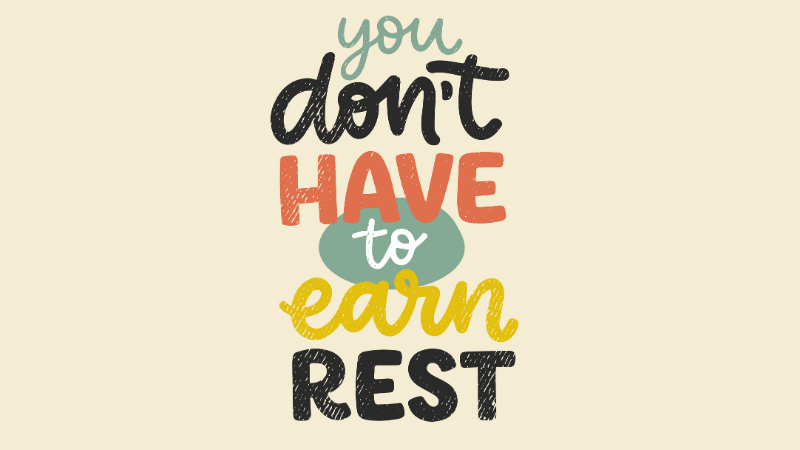
Why Rest Still Feels Like Something You Have to Earn
One of the quieter surprises of retirement can arrive on an ordinary Tuesday morning.
There is nowhere you have to be. The shopping is done, the house is tidy, and the afternoon stretches ahead without meetings, deadlines, or appointments. You make a cup of coffee, sit down with a book, and within minutes an uncomfortable thought appears.
Shouldn’t I be doing something?
It is an odd feeling because there is, quite genuinely, nothing that needs your attention. The responsibilities that once dictated your day have disappeared. Nobody is waiting for an email. No project is falling behind because you’ve chosen to sit still for half an hour.
Yet the feeling persists.
Many retirees assume this restlessness means they have not adjusted to retirement properly. Others respond by filling every available hour with errands, projects, volunteer work, or social commitments. Being busy feels easier than sitting with the discomfort.
The problem is that this isn’t really about busyness.
It is about permission.
A Lifetime of Earning Downtime
Most of us grow up believing that rest is something to be earned.
As children, homework comes before television. As adults, weekends follow the working week. Holidays are booked months in advance and squeezed into annual leave. Even simple pleasures often become rewards for productivity.
Finish the report.
Complete the project.
Get through another busy week.
Then you can relax.
After decades of living this way, the pattern becomes almost invisible. We stop noticing that rest has become conditional. It is no longer simply part of life. It is something granted after effort, as though leisure must always justify itself by following hard work.
Retirement quietly removes that structure.
For the first time in many years, there is no manager deciding when you are off duty. There is no working week that makes Saturday feel deserved. The external system disappears, but the internal one often remains.
Many retirees discover they have left work behind while still carrying its rules.
When Productivity Becomes a Habit
Modern working life celebrates productivity.
We admire people who are busy, responsive, organised, and constantly achieving. Diaries filled weeks in advance are often worn almost as badges of importance. Even conversations between friends frequently begin with the same phrase.
“I’ve been so busy.”
Without meaning to, we absorb the message that being occupied is evidence of living well.
Retirement offers an opportunity to step away from that culture, but habits developed over forty years rarely disappear overnight.
This is one reason some people feel uneasy sitting in the garden on a weekday morning or spending an afternoon with no particular plan. The discomfort has very little to do with the activity itself. It comes from years of believing that time should always be used productively.
The irony is that many people spent their working lives dreaming of exactly this freedom.
When it finally arrives, they struggle to accept it.
Rest Is Not Wasted Time
Perhaps one of the greatest misconceptions about retirement is that every hour should be used well.
The difficulty, of course, is deciding what “well” actually means.
If the answer is constant activity, retirement can become another performance. Days are judged by how much was accomplished rather than how they were experienced. The pressure to remain productive simply changes its appearance.
Yet some of life’s most valuable experiences are not productive in any conventional sense.
A long conversation over coffee.
An afternoon spent reading.
Watching the seasons change in the garden.
Taking an unhurried walk with no destination in mind.
These moments rarely produce anything measurable, yet they often become the experiences people remember most fondly.
Rest is not the absence of living.
It is part of living.
The challenge is recognising that a slower pace is not something that has to be justified.
Learning a New Relationship with Time
One of the hidden opportunities in retirement is the chance to rethink your relationship with time itself.
For much of adult life, time has been organised around commitments. Hours were allocated, calendars filled, and priorities determined by work and family responsibilities. Retirement removes much of that external structure, leaving us to decide how time should be used.
That freedom can feel uncomfortable precisely because it is unfamiliar.
Many retirees gradually discover that a satisfying day is not always the busiest one. Sometimes it is the day that allowed room for reflection, conversation, creativity, or simple enjoyment without the pressure to accomplish anything in particular.
This is not an argument against staying active.
Meaningful activity remains an important part of a fulfilling retirement.
It is simply a reminder that activity and worth are not the same thing.
The most rewarding retirements often contain both movement and stillness, purpose and rest, ambition and contentment.
Learning when each has its place is part of the transition.
Final Thoughts
If resting still feels like something you have to earn, you are not alone.
For decades, work taught us that downtime follows productivity and that value is measured by output. Those lessons do not disappear on the day we retire.
But retirement offers the chance to write a different story.
One where a quiet afternoon is not evidence of laziness.
Where an empty space in the diary is not a problem waiting to be solved.
One where rest is recognised not as the reward for a life well lived, but as an essential part of living it well.
Perhaps the real adjustment is not learning how to fill your time.
It is learning that some of your most meaningful moments will happen when you stop trying to.
Continue Exploring
If you’re exploring what this next chapter could look like and want practical ways to create direction, structure, and meaning, you’ll find further guidance in my books 9 Habits of Happy Retirees and The Golden Gap Year, along with additional resources at SarahBarry.com.
📙 9 Habits of Happy Retirees – Practical strategies for creating a fulfilling retirement beyond financial planning.
📘 The 9 Habits Workbook – Reflection exercises and planning tools to help you turn ideas into action.
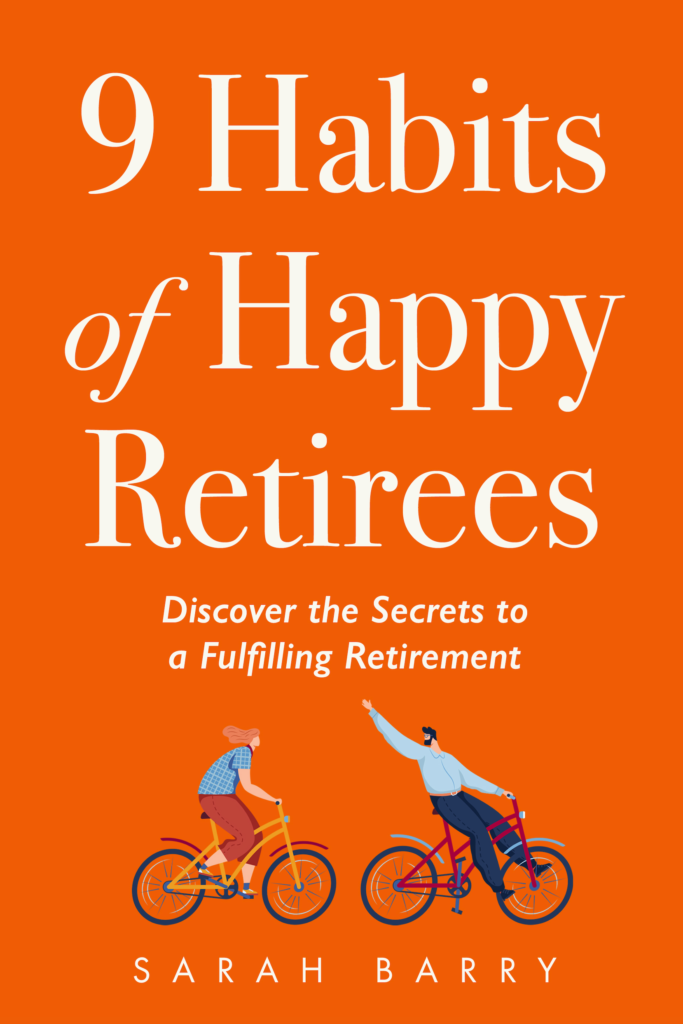
Retirement
Re-defined
9 Habits of Happy Retirees helps you shape a lifestyle that goes beyond financial security—focusing on the everyday habits that support meaning and balance.
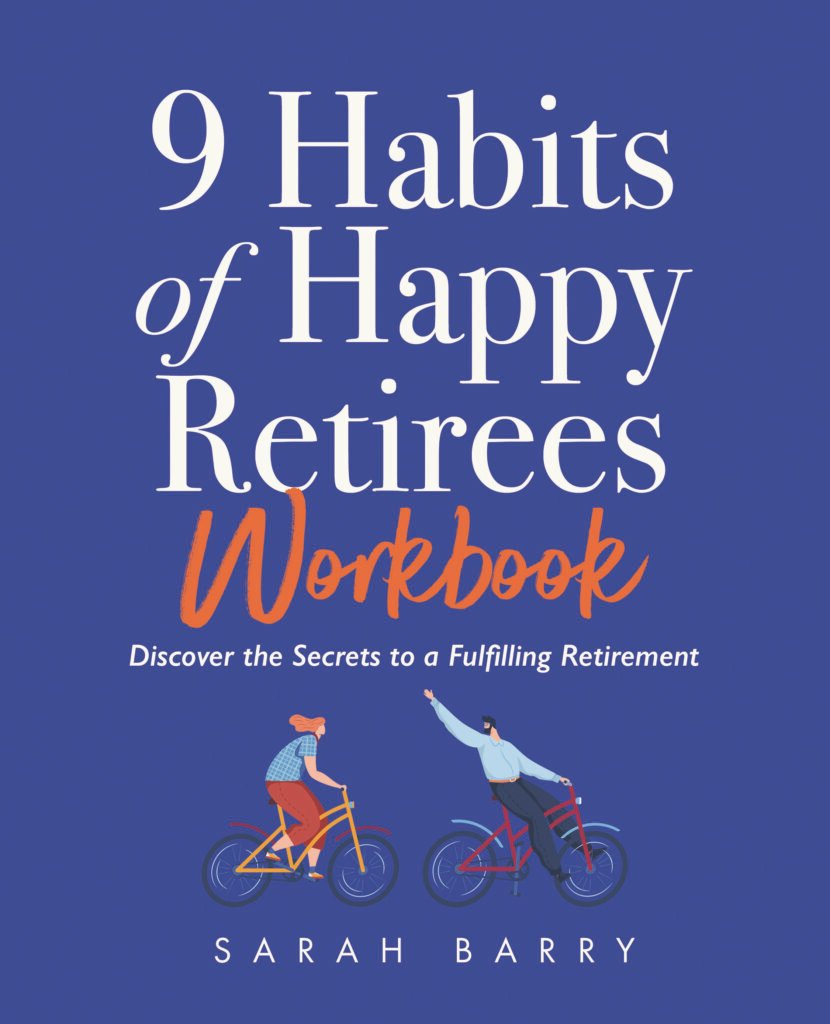
The Essential Workbook
Designed to complement the book, this workbook helps turn reflection into action—supporting your mental, emotional, and social wellbeing in retirement.
You don’t need a forever plan. You need thoughtful phases.
🌐 Visit www.sarahbarry.com or email hello@sarahbarry.com to explore coaching and resources for your next chapter.
