
Creating Your Next Chapter Without Reinventing Yourself
One of the most persistent ideas about retirement is that it should be transformative.
The stories we hear often involve dramatic change. Someone leaves a corporate career and starts a vineyard. Another moves to a different country, writes a book, launches a business, or discovers a completely new purpose. Retirement is presented as an opportunity to reinvent yourself, to become a different version of the person you were before.
While these stories can be inspiring, they can also create unnecessary pressure.
Not everyone wants to reinvent themselves.
And most people don’t need to.
Yet many retirees find themselves wondering whether they should be doing something bigger, bolder, or more impressive with their newfound freedom. They look at the blank space left by work and assume it must be filled with an equally significant identity. The result is often a quiet sense of inadequacy. If retirement is supposed to be a fresh start, what does it mean if you’re not entirely sure who you want to become?
Perhaps the problem lies in the question itself.
Retirement may not require reinvention at all.
It may require something much gentler.
The Myth of Reinvention
The idea of reinvention appeals because it promises clarity. If the old chapter has ended, then surely the answer is to create an entirely new one. The difficulty is that reinvention suggests there is something wrong with the person you already are.
Most retirees do not arrive at this stage of life as unfinished projects.
They arrive with decades of experience, relationships, values, interests, strengths, and lessons learned. They have navigated careers, family life, setbacks, successes, disappointments, and change. These experiences have shaped them in ways that are both visible and invisible.
Retirement does not erase any of that.
Nor should it.
The qualities that helped you through earlier chapters remain part of who you are. The curiosity that drove your career, the generosity that shaped your relationships, the resilience that carried you through difficult periods, the interests that brought you joy along the way, all of these things continue to exist whether you are working or not.
The challenge is rarely discovering an entirely new identity.
The challenge is recognizing the one that has been there all along.
The Parts of Ourselves That Get Neglected
Work has a way of narrowing focus.
This is not necessarily a bad thing. Careers require commitment, energy, and attention. Family responsibilities do the same. For many years, practical considerations naturally take priority.
The result, however, is that some parts of ourselves receive more attention than others.
The professional self becomes highly developed. Other aspects of identity are often placed on hold, squeezed into weekends, postponed until “someday,” or simply forgotten amid the demands of everyday life.
Retirement creates space for those neglected parts to re-emerge.
Sometimes it is an old interest that quietly returns. Sometimes it is a desire to learn, create, explore, volunteer, or spend time differently. Sometimes it is simply a recognition that there are aspects of yourself that never had the opportunity to take center stage.
This process rarely feels like reinvention.
More often, it feels like remembering.
Growth Without Reinvention
One of the reasons retirement can feel uncertain is that there is no obvious roadmap.
Careers tend to have milestones. Education has stages. Family life follows recognizable patterns. Retirement offers far fewer signposts.
In the absence of a clear path, people often assume they need a grand plan.
Yet some of the most fulfilling retirements evolve gradually rather than dramatically.
A casual interest becomes a meaningful hobby. A volunteer role develops into a valued part of life. New friendships emerge from unexpected places. Priorities shift. Perspectives change.
None of this requires a radical transformation.
It simply requires openness.
Growth in later life often looks less like becoming someone new and more like becoming more fully yourself. It involves paying attention to what energises you, what matters to you, and what kind of life feels aligned with your values.
The changes can be significant, but they rarely happen all at once.
Building the Next Chapter
The language we use matters.
When people talk about reinvention, they often imagine replacing one identity with another. When people talk about a new chapter, the story feels different.
A new chapter acknowledges continuity.
The earlier chapters still matter. They shaped the character, influenced the plot, and created the context for what comes next. The story evolves, but it remains connected.
Retirement works in much the same way.
The goal is not to abandon everything that came before. Nor is it to spend the rest of life looking backwards. The challenge is to carry forward what still matters while creating room for new experiences, interests, relationships, and possibilities.
Some chapters are ambitious.
Others are quieter.
Some involve exploration.
Others involve deepening what already exists.
There is no single formula because there is no single version of a successful retirement.
Final Thoughts
The pressure to reinvent yourself in retirement can be surprisingly exhausting.
It suggests that this stage of life requires a dramatic transformation, when in reality many people are looking for something far simpler. They want meaning, connection, purpose, enjoyment, and a sense that their life continues to grow in ways that feel authentic.
Retirement is not a test of your ability to become someone else.
It is an opportunity to become more fully yourself.
The next chapter does not have to be bigger than the last one. It does not need to be impressive, extraordinary, or radically different.
It simply needs to feel like yours.
Continue Exploring
If you’re exploring what this next chapter could look like and want practical ways to create direction, structure, and meaning, you’ll find further guidance in my books 9 Habits of Happy Retirees and The Golden Gap Year, along with additional resources at SarahBarry.com.
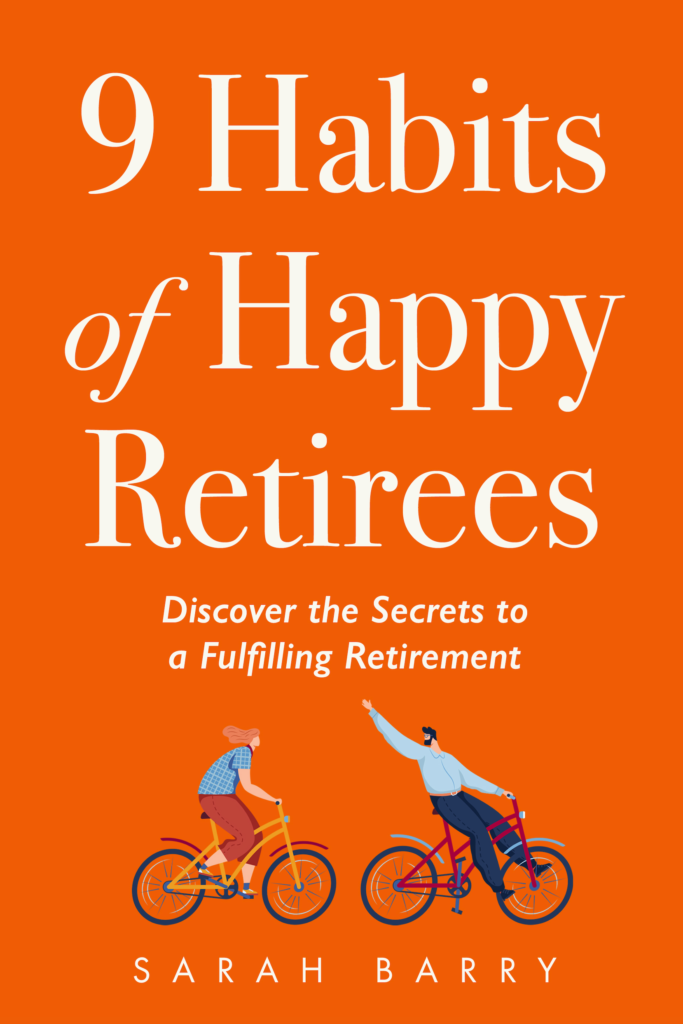
📙 9 Habits of Happy Retirees – Practical strategies for creating a fulfilling retirement beyond financial planning.
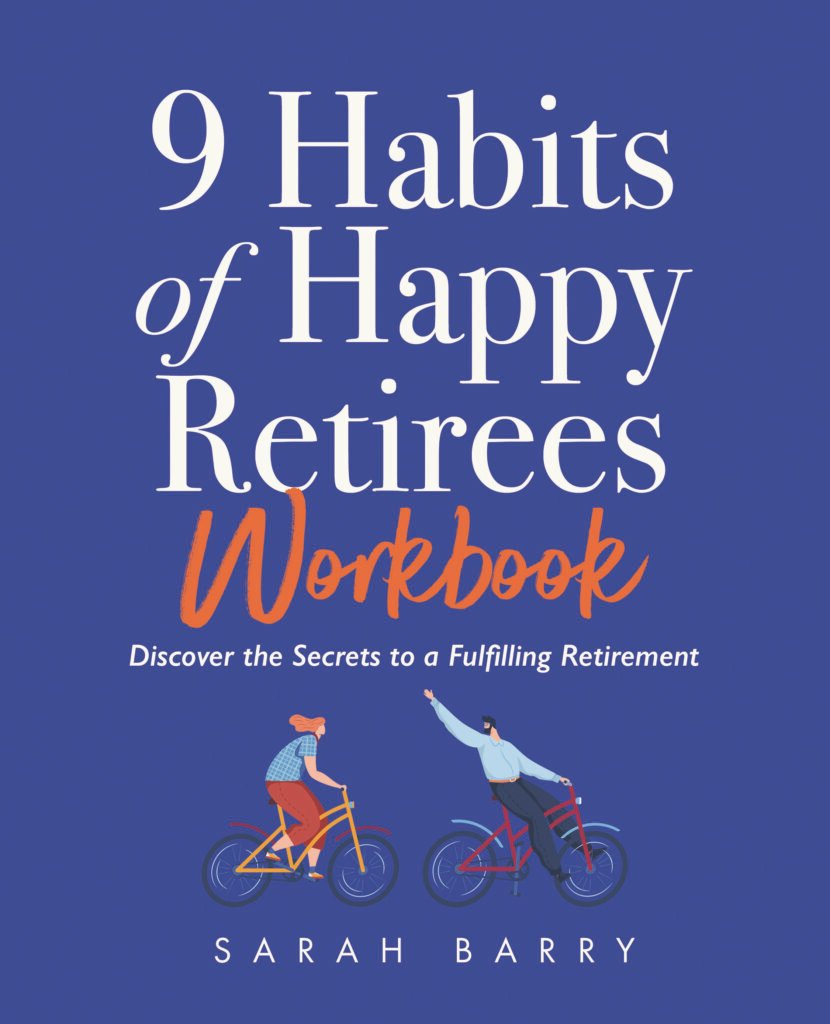
📘 The 9 Habits Workbook – Reflection exercises and planning tools to help you turn ideas into action.
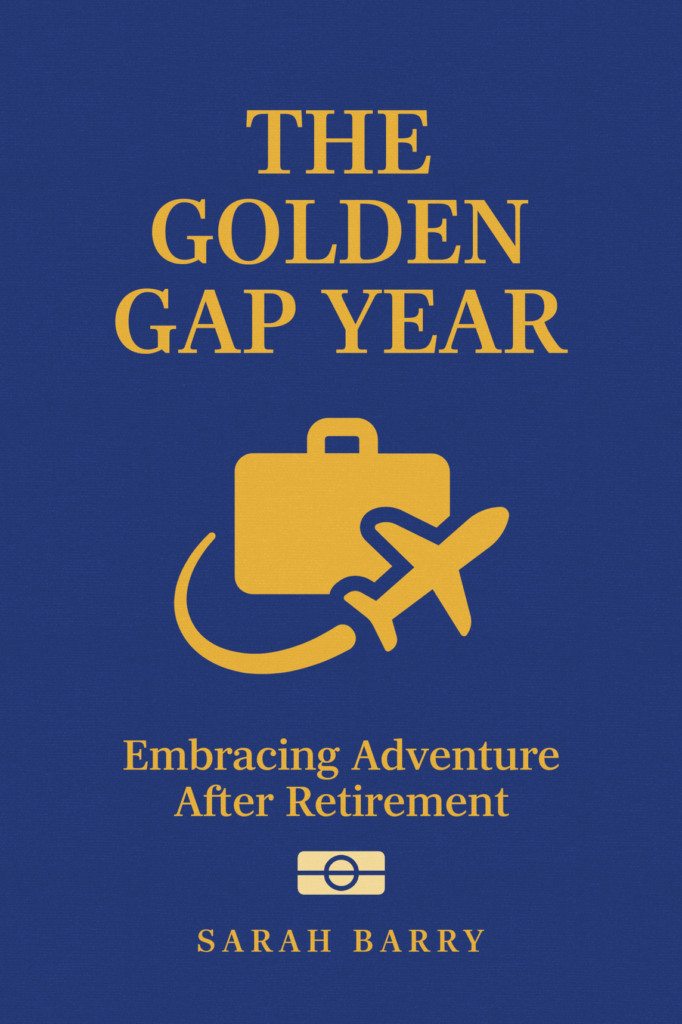
📘 The Golden Gap Year – A fresh approach to retirement as a period of exploration, experimentation, and discovery.
Retirement
Re-defined
9 Habits of Happy Retirees helps you shape a lifestyle that goes beyond financial security—focusing on the everyday habits that support meaning and balance.
The Essential Workbook
Designed to complement the book, this workbook helps turn reflection into action—supporting your mental, emotional, and social wellbeing in retirement.
Adventure
Re-imagined
The Golden Gap Year invites you to approach retirement with curiosity and intention—creating space for new experiences and personal growth.
You don’t need a forever plan. You need thoughtful phases.
🌐 Visit www.sarahbarry.com or email hello@sarahbarry.com to explore coaching and resources for your next chapter.
