

The First 90 Days of Retirement: Why It Feels So Strange
For years—sometimes decades—retirement is something we look forward to.
More time.
More freedom.
More choice.
And then it arrives.
At first, there’s a sense of relief. The alarm doesn’t go off. The inbox isn’t waiting. The pressure eases. You can finally breathe.
There’s space in the day that wasn’t there before.
You move more slowly. You linger a little longer over coffee. You notice things you didn’t used to notice.
And yet, somewhere in those first few weeks—often quietly, without warning—something else starts to surface.
A feeling that’s harder to name.
A kind of disorientation.
A subtle sense that the days don’t quite fit yet.
And a question that lingers in the background:
Is this what I thought it would feel like?
The Surprise No One Talks About
Most people expect retirement to feel like a reward.
What they don’t expect is how unfamiliar it can feel at the beginning.
Not because anything is wrong—but because everything has changed.
For a long time, your days have been shaped by:
- A role
- A routine
- A rhythm
- A reason to be needed
Your time had a natural structure. Your energy had a direction. Your decisions were often made in response to what the day required.
And then, almost overnight, that structure disappears.
No meetings.
No deadlines.
No clear expectations of how the day should unfold.
What replaces it is something far less defined:
open space.
And while that sounds appealing in theory, in practice it can feel surprisingly uncomfortable.
Because open space doesn’t automatically translate into meaningful time.
The Loss You Didn’t Plan For
Even when retirement is a positive, chosen transition, there are subtle losses that come with it.
Not dramatic losses. Not always visible ones. But real, nonetheless.
You may find yourself missing:
- The sense of being needed
- The small, everyday conversations
- The rhythm of a structured week
- The feeling of contributing to something beyond yourself
- The identity that came with your role
These aren’t things people always talk about before retirement.
But they’re often the things that quietly matter most once you get there.
This isn’t about wanting to go back.
It’s about recognizing that something meaningful has shifted.
And when that shift isn’t acknowledged, it can show up as:
- Restlessness
- A lack of motivation
- A sense of drifting through the day
- Or a quiet, persistent feeling that something is missing
Too Much Time, Not Enough Shape
One of the biggest surprises in the first 90 days is how time behaves.
There’s more of it—but it doesn’t always feel useful.
Days stretch out in ways you didn’t expect.
Things you thought you’d finally have time for remain undone.
Plans get pushed to “tomorrow”… and then tomorrow again.
Weeks pass without anything feeling particularly memorable or intentional.
It’s not a discipline issue.
It’s what happens when time loses its structure.
Without a framework, time expands in all directions—and often disappears into small distractions, low-energy decisions, or simply not knowing where to begin.
In working life, time is often externally organised.
In retirement, that responsibility shifts entirely to you.
And that’s a bigger adjustment than most people anticipate.
The Identity Gap
For many people, this is the most significant shift.
Not the schedule.
Not the workload.
But identity.
For years, the answer to “What do you do?” has been clear.
It’s been tied to your role, your experience, your expertise.
Now, that answer is less obvious.
And while this can eventually become freeing, at the beginning it often feels like standing in a space between two versions of yourself:
- Who you were
- And who you’re becoming
You’re no longer defined by your previous role—but you haven’t yet fully defined what comes next.
This space can feel uncertain.
Even uncomfortable.
But it’s also where the most important work begins.
Because this is where you start to decide—not reactively, but intentionally—how you want to spend your time, your energy, and your attention.
The Pressure to “Get It Right”
Another challenge in the early phase of retirement is the quiet pressure to use the time well.
You may find yourself thinking:
- “I should be doing more with this time.”
- “I don’t want to waste this opportunity.”
- “I finally have the freedom—why am I not using it better?”
This pressure can lead to one of two extremes:
Either trying to fill every moment with activity
Or feeling stuck and doing very little at all
Neither tends to feel satisfying.
Because what’s missing isn’t activity.
It’s direction.
And direction doesn’t come from rushing to fill the space.
It comes from understanding what actually matters to you now—at this stage of life.
Why the First 90 Days Matter
The early phase of retirement isn’t just a transition—it’s a reset.
It’s where old patterns fall away before new ones are fully formed.
And that in-between space can feel uncomfortable because:
- There’s no clear roadmap
- There’s no external structure
- And there’s no immediate sense of progress
But this phase serves a purpose.
It creates the space to:
- Reflect on what you actually want now
- Notice what energises you (and what doesn’t)
- Reconnect with interests that may have been set aside
- Begin shaping your life more intentionally
The mistake many people make is trying to rush through it.
To fill the space too quickly.
To recreate busyness instead of building meaning.
But this stage isn’t something to skip.
It’s something to move through.
A Different Way to Approach This Phase
Instead of trying to “figure everything out,” it can be more helpful to approach the first 90 days with a different mindset:
This is not a problem to solve.
It’s a phase to move through.
A few simple shifts can make a meaningful difference:
1. Add Light Structure (Not Full Schedules)
You don’t need to recreate a work calendar.
But having a loose rhythm helps.
Think in terms of:
- A few anchor points in the week
- Regular activities you can return to
- Gentle commitments that give shape to your days
Structure doesn’t need to feel rigid.
It just needs to feel supportive.
2. Pay Attention to Energy, Not Just Time
Instead of focusing only on how you’re spending your time, notice how things make you feel.
What leaves you:
- Engaged
- Energized
- Curious
- Drained
- Restless
These signals are often more useful than asking, “What should I be doing?”
They help you begin to shape your days around what feels meaningful, not just what fills the time.
3. Let It Be Unclear for a While
Clarity doesn’t arrive all at once.
It builds gradually through:
- Small decisions
- Small experiments
- Small shifts
Trying to define everything too early can create unnecessary pressure.
You don’t need a full plan yet.
You just need to start noticing what feels right—and what doesn’t.
4. Stay Connected (Even If You Don’t Feel Like It)
One of the easiest things to lose in retirement is regular connection.
And yet, it’s one of the most important things to maintain.
Even light, informal interaction can make a significant difference.
A conversation.
A shared activity.
A reason to show up somewhere.
Connection brings rhythm back into your week—and helps anchor you as everything else is shifting.
5. Expect It to Feel Strange
This isn’t a sign something has gone wrong.
It’s a sign that something has changed.
And change—even positive change—takes time to settle.
The unfamiliar feeling isn’t failure.
It’s adjustment.
The Quiet Truth About This Stage
The first 90 days of retirement are rarely the highlight.
They’re not meant to be.
They’re the adjustment.
The decompression.
The space between what was and what’s next.
And while they can feel uncertain, they also hold something important:
the opportunity to build a life that isn’t driven by obligation—but shaped by intention.
Not rushed.
Not reactive.
But considered.
Final Thoughts
If retirement feels a little strange right now, you’re not alone.
And you’re not behind.
You’re simply in the part that doesn’t get talked about enough.
The early phase isn’t about getting it right.
It’s about getting familiar—with your time, your energy, and yourself in this new chapter.
Give it time.
Give it space.
And trust that what feels unclear today is often the beginning of something more considered, more personal, and more aligned with who you are now.
Planning in Chapters
If you prefer steady progress over rigid long-term plans, these resources can help:
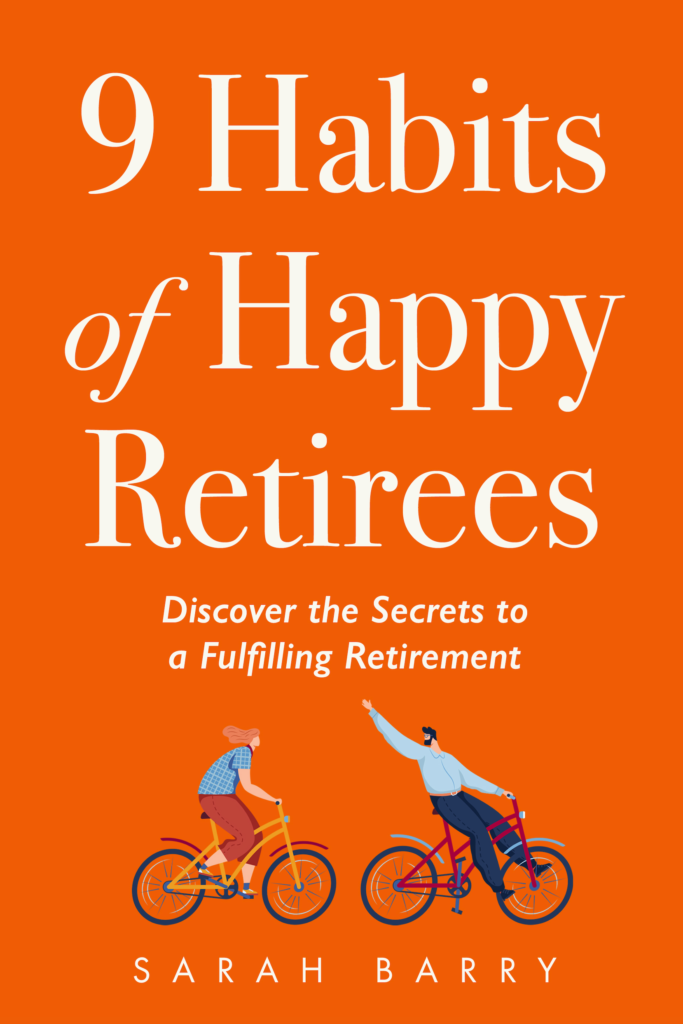
📙 9 Habits of Happy Retirees – A practical guide to building a fulfilling next chapter, one habit at a time.
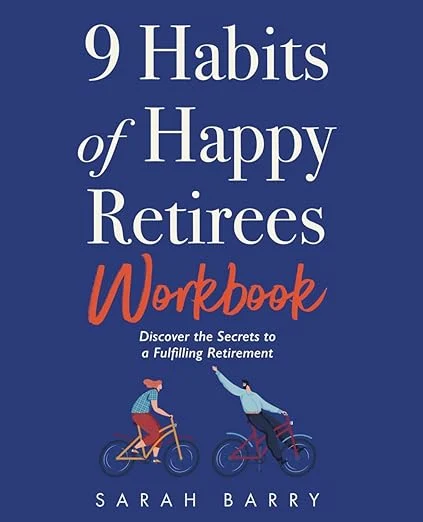
📘 The 9 Habits Workbook – Reflection prompts and simple planning tools to support clarity and forward movement.
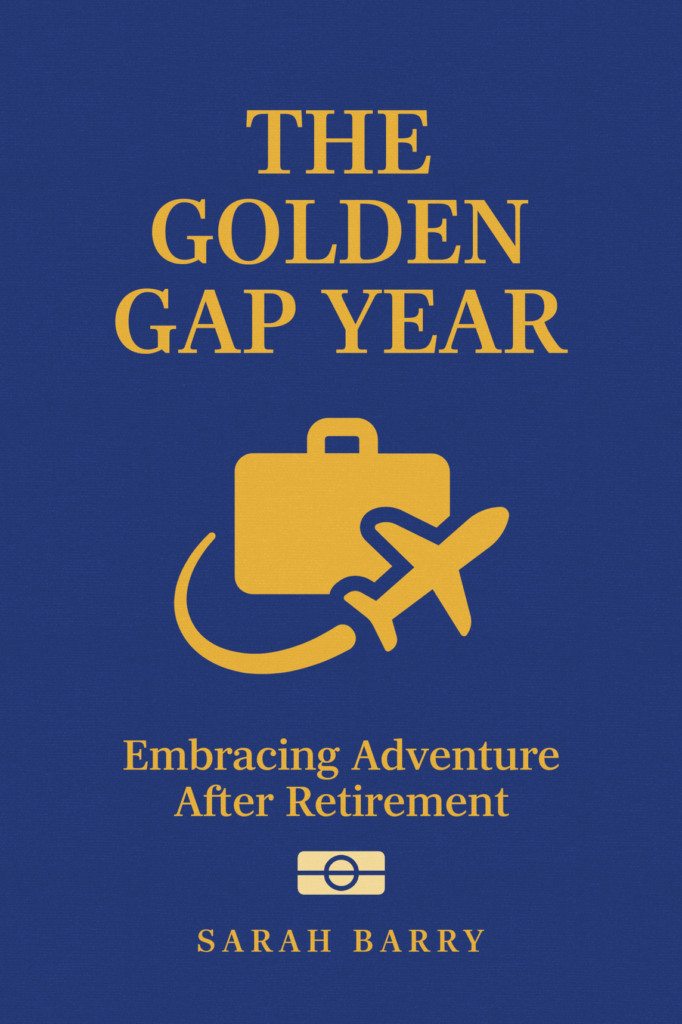
📘 The Golden Gap Year – A thoughtful approach to retirement as a transition to explore, not a single decision to make.
Retirement
Re-defined
9 Habits of Happy Retirees helps you shape a lifestyle that goes beyond financial security—focusing on the everyday habits that support meaning and balance.
The Essential Workbook
Designed to complement the book, this workbook helps turn reflection into action—supporting your mental, emotional, and social wellbeing in retirement.
Adventure
Re-imagined
The Golden Gap Year invites you to approach retirement with curiosity and intention—creating space for new experiences and personal growth.
You don’t need a forever plan. You need thoughtful phases.
🌐 Visit www.sarahbarry.com or email hello@sarahbarry.com to explore coaching and resources for your next chapter.
